Getting paid for your wardrobe cleanout
When you want to turn a closet cleanout into funds, you generally have two paths: local exchange shops or digital platforms. Local storefronts pay you on the spot or offer store credit, while online platforms require you to photograph, list, and ship items yourself. The right choice depends on whether you prefer immediate turnaround or are willing to wait for maximum profit.
Selling locally is usually the fastest method. You take your freshly washed items to a neighborhood exchange, and a buyer evaluates your pieces. They select trendy or classic items in great condition and offer a percentage of the projected retail value. If you have heavier items left over, some might even be locations accepting donations to keep them out of landfills.
Going the digital route yields a higher return per item but requires patience. Creating an appealing listing involves taking clear photos, writing descriptions, and answering buyer questions. This method works exceptionally well for designer labels or highly sought-after styles, where buyers search for specific tags across the country and are willing to pay a premium for the exact garment they want.
Finding local buyers for retro and everyday wear
Older apparel requires a slightly different approach than modern mall brands. True retro pieces from earlier decades hold significant value to collectors, but standard shops might pass on them if they ignore current fast-fashion trends. Finding a buyer who specializes in older garments ensures you get a fair evaluation based on the item's historical appeal rather than just its basic condition.
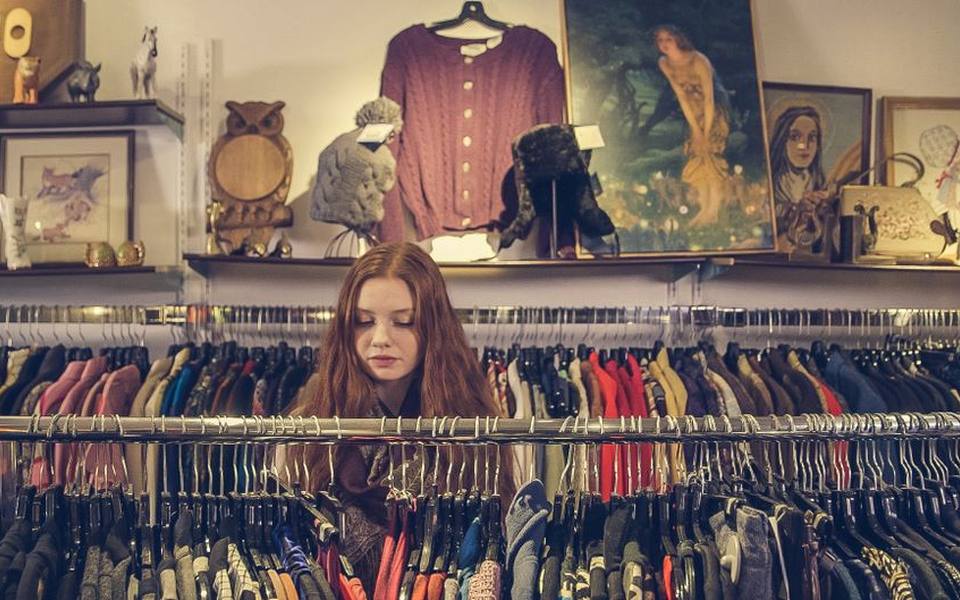
If you want to move a large volume of specialized garments, it helps to explore areas with a high concentration of secondhand businesses. The West Coast market is quite robust. Browsing through directories of thrift stores in California points you toward neighborhoods known for retro fashion. These districts often have multiple buyers within walking distance, allowing you to get second opinions.
Local buyers are highly seasonal. A heavy wool coat will likely be rejected in July, just as swimsuits are hard to unload in November. Before hauling heavy bags across town, sort your items by season and current weather. It is also wise to call ahead and ask what styles the buyers are currently stocking up on, saving you a wasted trip.
Navigating footwear and accessory resale
Footwear is a unique category in the secondhand market. Everyday casual shoes in heavily worn condition rarely fetch much money, but limited-edition sneakers and high-quality leather boots are in constant demand. Focus on storefronts that specialize in streetwear or high-end accessories, as they generally have the clientele willing to pay a premium for well-maintained pairs and designer styles.
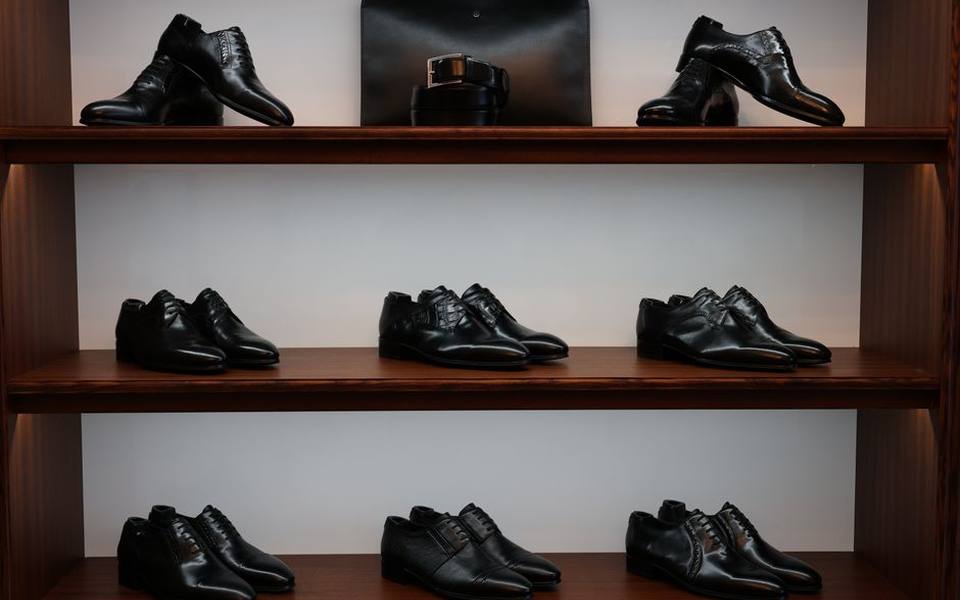
Preparation makes a massive difference when presenting shoes to a buyer. Cleaning the soles, removing scuff marks from the uppers, and ensuring laces are intact elevate the perceived value. Buyers look closely at tread wear and heel drag, as these indicate remaining lifespan. Presenting a pristine pair significantly increases your chances of a higher cash offer or better consignment deal.
In heavily populated regions, you might find dedicated sneaker exchanges or luxury boutiques. The resale culture is heavily developed in the Northeast, for example. People frequently check networks of thrift stores in New York to map out routes between different streetwear buyers. Visiting multiple specialized shops allows you to compare offers on rare pieces that serious collectors actively covet.
Understanding payout structures and bulk selling
When dealing with neighborhood exchange counters, the payout structure is fairly standard but varies by location. You are typically offered a percentage of the projected retail price, or a higher rate in store credit. Store credit is usually the better deal if you plan to update your wardrobe, while the immediate cash option provides liquidity at a lower overall rate.
Sometimes you have bags of clothing that are in decent shape but not trendy enough for curated boutiques. In these situations, you might encounter textile recyclers or bulk buyers who pay by the pound. The rate per pound of textiles is generally quite low. This method is best reserved for clearing out massive amounts of basic, lower-tier clothing rapidly.
If your bulk clearing includes household goods alongside apparel, broaden your search. Some locations handle estate clear-outs and take everything from jeans to dining tables. If emptying an entire house, you might identify thrift stores with a dedicated furniture section to drop off bulky items after selling the valuable clothes. This keeps your logistics streamlined and highly efficient.
Preparing your items for the best offer
No matter where you decide to present your garments, presentation is arguably the most critical factor. Buyers evaluate items quickly, and their first impression heavily influences the price they offer. Clothes should be freshly laundered, folded neatly in sturdy bags, and free of distinct odors like smoke. A wrinkled, musty shirt is almost always rejected immediately, regardless of the brand.
Take the time to check every piece for minor flaws before leaving the house. Missing buttons, stuck zippers, and small seam tears are immediate red flags for buyers, requiring repair time that cuts into profit margins. If a piece has a small stain, treat and wash it again. Otherwise, leave it out of your selling pile to maintain buyer confidence.
For items with significant craft value, presentation also means providing context. Handmade garments, custom tailoring, or small-batch artisanal clothing might lack recognizable brand tags. Some secondhand craft and specialty stores appreciate these unique items. Explaining the material or origin of an unusual piece helps a buyer understand its worth and justify offering a better return on your initial investment.
Published 2026-09-20 · reviewed with each rebuild, last September 2026.
Find thrift stores near you
The directory lists 20,630 thrift stores by state and city — pick your state or use the “Near me” button in the header.
More guides
-
 Buying
Wedding Attire Resale and Pricing Guide
-
 Buying
The Complete Guide to Sourcing and Reselling Pre-Owned Bridal and Formal Dresses
-
 Buying
Finding and Styling Vintage Holiday Sweaters and Retro Costumes
-
 Money
MoneyHow to Value and Sell Vintage Baseball Cards
-
 Buying
Sourcing Budget-Friendly Apparel and Vintage Wardrobe Staples
-
 Owning
How to Donate and Recycle Used Furniture, Clothes, and Textiles
-
 Money
MoneyValuing and Selling Used Vinyl Records and VHS Tapes
-
 Buying
Finding and Valuing Used Books, Comics, and Collectible Media
-
 Buying
Thrift Stores vs Flea Markets: A Guide to Secondhand Shopping and Resale Sourcing
-
 Money
MoneyEvaluating Vintage Costume Jewelry and Silverware
-
 Buying
Ultimate Guide to Flea Markets and Swap Meets Across the US
-
 Buying
Major Charity Thrift Stores: Salvation Army, Goodwill, and St. Vincent de Paul Guide
-
 Buying
Mid-Century Modern Furniture and Antique Malls: Buying and Identification Guide
-
 Buying
Smart Budget Fashion: Navigating Sales, Resale Outlets, and Cheap Clothing Stores
-
 Buying
Ultimate Flea Market and Swap Meet Guide: Regional Hubs, Picking Secrets, and Fair Bargaining
-
 Service
Charity Furniture Pick-Up & Donation Guide: Goodwill, Salvation Army & Local Drop-Offs
-
 Buying
Thrifting Vintage Party Outfits: 1920s Flapper, 70s Disco, and 80s Ensembles
-
 Buying
Antique Mall Treasure Hunting: Valuing Vintage Pyrex, Gold Mirrors, and Collectibles