The Landscape of American Flea Markets and Open Swaps
Flea markets and open-air swap meets offer an unpredictable shopping experience fundamentally different from traditional retail. Unlike standardized thrift stores where goods are sorted, priced behind closed doors, and put onto racks by staff, outdoor open swaps feature individual vendors operating as independent dealers. Because inventory is sourced privately from estate clear-outs, storage auctions, and personal collections, you will find items here that never make it to thrift store shelves.
Regional traditions shape how these markets function across the country. In the Southwest and Midwest, markets often lean toward industrial surplus, workwear, automotive tools, and agricultural collectibles. Coastal metro markets tend to concentrate heavily on curated vintage apparel, mid-century modern furniture, architectural salvage, and fine art. Understanding the personality of a venue before arriving allows you to plan your walking route, allocate your budget, and bring the right gear.
Preparation is essential for any day-long outdoor market excursion. Experienced shoppers carry heavy-duty collapsible utility wagons, measuring tapes, portable phone chargers, and plenty of paper packing material for delicate finds. While some permanent dealers now use wireless card readers, mobile network congestion in open fields often causes card terminals to fail, making paper cash the only universally reliable payment method across all vendor tables.
California Open-Air Bargaining: The Rose Bowl Circuit
Held on the second Sunday of every month in Pasadena, the legendary Rose Bowl flea market stands as one of the most famous secondhand gatherings in the world. Thousands of dealers fill the surrounding lots of the historic sports arena, drawing interior decorators, international collectors, and vintage clothing buyers before sunrise. Navigating this vast venue requires understanding the color-coded zone layout, which separates modern general merchandise from authentic antiques and textiles.
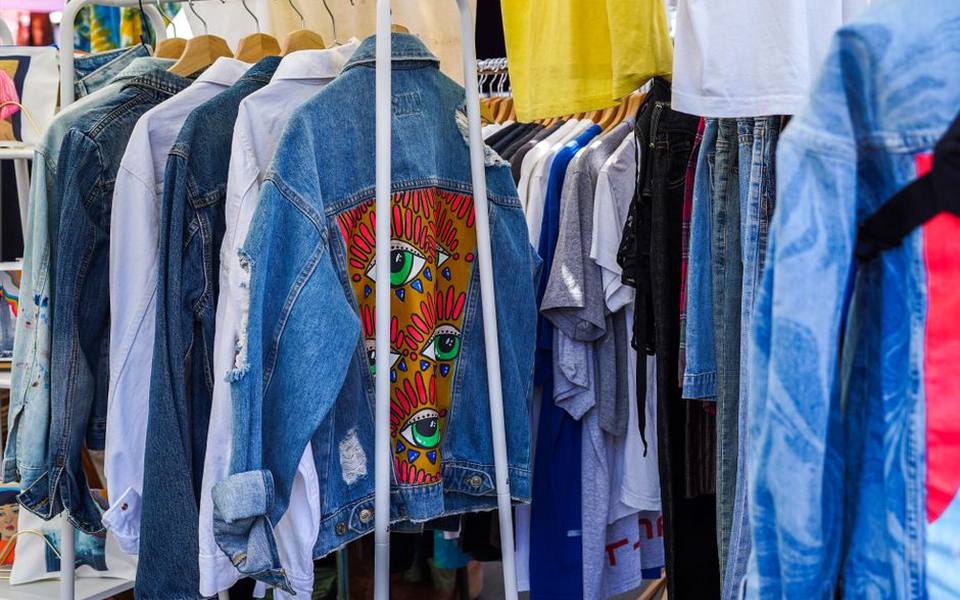
For vintage fashion enthusiasts exploring the California thrift and vintage scene, the apparel rows at the Rose Bowl flea are practically an open-air museum. You will see racks of worn chore jackets, collectible graphic tees, work boots, and rare denim dating back decades. Prices can vary dramatically between vendors who specialize in high-end curation and casual sellers simply clearing out family estates, so thorough digging often produces substantial rewards.
Admission tiers at the flea market Rose Bowl determine how early you can enter the grounds. Professional pickers typically pay extra for early admission tickets to claim prime mid-century furniture and rare collectibles while vendors are still unpacking their vans. If your goal is casual browsing or negotiating discounts on remaining wares, arriving late morning avoids early parking lines and gives you stronger leverage as sellers consider what they have to pack back up.
Texas-Sized Traditions: Canton First Monday Trade Days
Dating back well over a century, First Monday Trade Days in Canton, Texas, claims the title of the largest continually operating flea market in the United States. Despite the historical name, the event actually runs Thursday through Sunday before the first Monday of each month. Spanning hundreds of open acres and several large roofed pavilions, the market regularly hosts thousands of vendors selling everything from hand-forged ironwork to rare pioneer-era antiques.
The physical scale of Canton First Mondays can easily overwhelm first-time attendees who fail to plan their walking itinerary. Serious collectors who hunt across thrift stores in Texas often spend two to three full days here to cover the vast territory. Renting a mobility scooter or bringing a rugged pull-wagon is common practice for visitors navigating the gravel pathways, especially in summer heat when shade is limited to the covered arbor buildings.
Inventory at the First Monday flea market shifts depending on which sector you explore. The covered Arbors and Western Pavilion generally feature higher-priced antique showcases, fine primitives, and restored vintage furnishings. In contrast, the unreserved outdoor trade lots resemble an enormous community yard sale where sharp-eyed shoppers can spot unpolished hand tools, old cast iron pans, and farm implements priced low for quick liquidation.
Manhattan Curation: The Chelsea Flea Experience
Operating on weekends throughout the year, the Chelsea Flea market provides a distinctly urban vintage experience tucked between Manhattan high-rises. Occupying a protected open parking lot along West 25th Street, this market carries on the lineage of New York City's historic outdoor markets. Because space is at a premium, the venue features a carefully curated collection of independent antique dealers rather than broad garage sale surplus.
Shoppers familiar with thrift shops in New York will notice that Chelsea Flea caters toward design-focused collectors looking for mid-century tableware, estate jewelry, historic photography, and decorative architectural accents. The density of quality pieces is high, meaning you do not have to sift through boxes of broken electronics to find exceptional vintage lighting or antique lithographs. However, vendor prices generally reflect dealer expertise and city operating costs.
Logistics at Chelsea Flea require an urban mindset. With no on-site parking lots for private vehicle loading, most shoppers arrive by subway or foot, bringing sturdy tote bags or rolling backpacks. If you purchase a framed print, decorative bronze, or delicate piece of art glass, most vendors will happily hold the item in their booth until the afternoon while you finish browsing the surrounding neighborhood galleries.
Great Lakes Commerce: Navigating Swap-O-Rama
In the Upper Midwest, the Swap O Rama flea market network represents open-air commerce at its most utilitarian and energetic. Operating sprawling locations across the region, including long-standing indoor-outdoor venues in Illinois, these weekend markets cater to working families, tradespeople, and pragmatic bargain hunters looking for everyday goods alongside secondhand oddities. Unlike curated coastal design markets, here practical utility takes center stage.
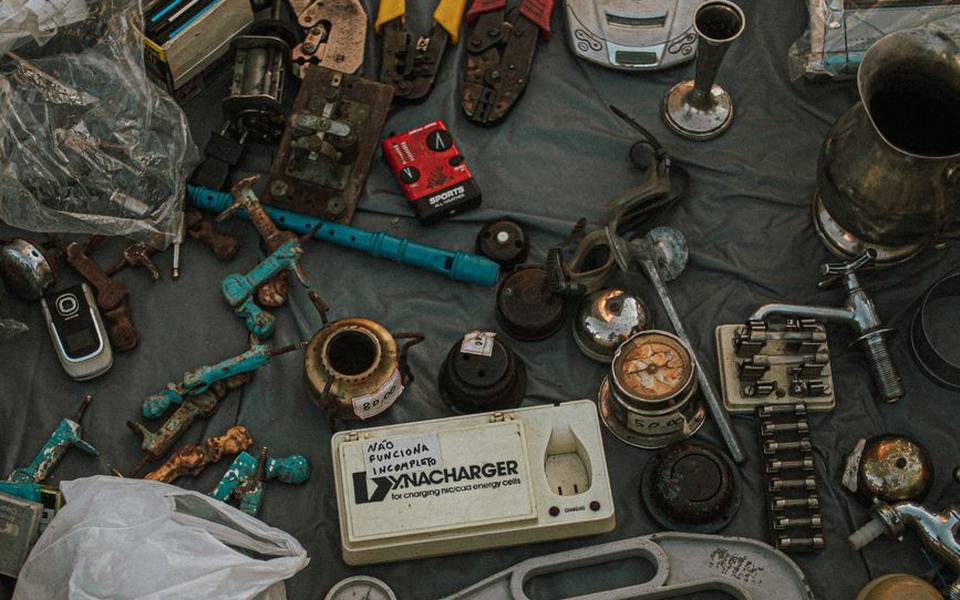
Browsing the open rows at Swap-O-Rama, you can expect to find contractor-grade surplus tools, heavy automotive equipment, reliable workwear, and household hardware alongside tables of vintage comic books, vinyl records, and toys. Vendors range from seasoned distributors liquidating freight returns to homeowners downsizing storage units. The atmosphere is vibrant, multilingual, and closely tied to traditional American swap meet culture where cash transactions are standard.
Visiting these markets early in the morning yields the best results for functional equipment and tools before commercial contractors make their rounds. Afternoons are typically slower, offering opportunities to assemble bundles of hardware, hand tools, or lawn equipment for a single flat rate. Wear comfortable, closed-toe work shoes, as the walking surface alternates between cracked asphalt and packed gravel paths.
Deep South Crossroads: La Vaquita Flea Market
Located along the highway corridor in Pendergrass, Georgia, the La Vaquita flea market stands out as one of the largest and most vibrant multicultural open markets in the Southeast. Combining elements of a traditional rural swap meet, a Mexican tianguis, and an agricultural market, this vast complex attracts tens of thousands of weekend visitors looking for an expansive variety of goods under open breezeways.
The inventory at La Vaquita spans everything from handmade leather saddlery and Western work boots to vintage cast iron cookware, power equipment, and regional country antiques. Family-run booths stand beside tables piled with regional fresh produce, dried spices, and Latin American household imports. Exploring the aisles requires an open mind and patience, as you will discover unexpected collector items mixed directly with brand-new discount essentials.
Navigating this market successfully requires preparing for large weekend crowds and substantial walking distances under partial roof cover. Arriving early lets you secure nearby parking and view vendor displays before midday humidity peaks. Bringing a Spanish-speaking friend can occasionally enrich your bargaining experience, though nearly all sellers operate comfortably with straightforward numerical gestures and cash negotiations.
Pacific Perimeter: The Aloha Stadium Flea Market
Encircling the perimeter parking grounds of Oahu's stadium, the Aloha Stadium flea market has served as a central trading point for Honolulu residents and island travelers for decades. Operating several days each week, this open-air circle features hundreds of local vendors beneath the Hawaiian trade winds. The venue provides an affordable alternative to resort shopping while maintaining deep roots in the island's community swap culture.
Shoppers can uncover genuine vintage aloha shirts, historic island ephemera, hand-carved koa wood artifacts, and vintage surfing memorabilia scattered among tables of local produce and handmade textiles. Because many island families use the market to clear heirlooms and vintage apparel, patient digging through clothing bins can yield mid-century silk shirts and retro resort wear at prices substantially lower than boutique antique stores in Waikiki.
Sun exposure is the most important factor when walking the continuous stadium loop. There is virtually no overhead canopy along the outer ring, so wide-brimmed hats, sunglasses, and personal water containers are essential. Morning hours offer the coolest walking temperatures, allowing you to browse the extensive vendor circle comfortably before the pavement absorbs the full midday tropical heat.
Strategic Timing and Negotiation Etiquette
Securing exceptional finds at any flea market comes down to understanding vendor timing. Arriving at sunrise guarantees access to the freshest items before competitive pickers sweep through, making early hours mandatory for rare collectibles, jewelry, and high-value designer fashion. Conversely, walking the aisles during the final ninety minutes before closing yields the greatest financial discounts, as tired dealers prefer selling items cheap over packing heavy boxes back into their trucks.
Negotiating at flea markets requires politeness and respect for the vendor's livelihood. Never mock a price or disparage an item's condition to force a markdown; instead, inspect the piece quietly, ask the seller for their best price on that specific piece, and listen carefully. Making a respectful cash counteroffer slightly below their stated figure is standard practice, particularly if you are ready to pay immediately without hesitation.
One of the most effective strategies for securing favorable prices is bundling multiple items together from the same table. Sellers love moving inventory in volume because it speeds up packing and guarantees a profitable morning. If you appreciate specialized collectibles like vintage instruments or crafting equipment, searching out secondhand specialty shops locally can give you clear benchmarks on fair retail pricing before you negotiate on the field.
Transporting Bulky Goods and Heavy Salvage
Finding an incredible walnut credenza, a set of industrial drafting chairs, or a wrought-iron garden gate at an outdoor market creates an immediate logistical challenge: getting it home safely. Unlike visiting retail venues with stores with a dedicated furniture section, open-air flea vendors rarely offer home delivery services. You must have a clear transit plan before agreeing to buy any item that cannot fit into your vehicle's trunk.
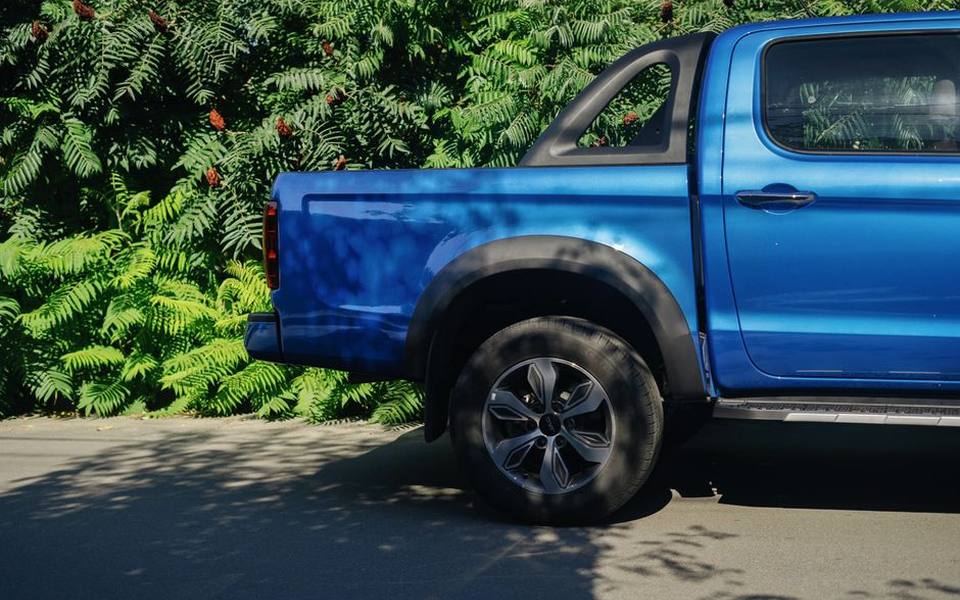
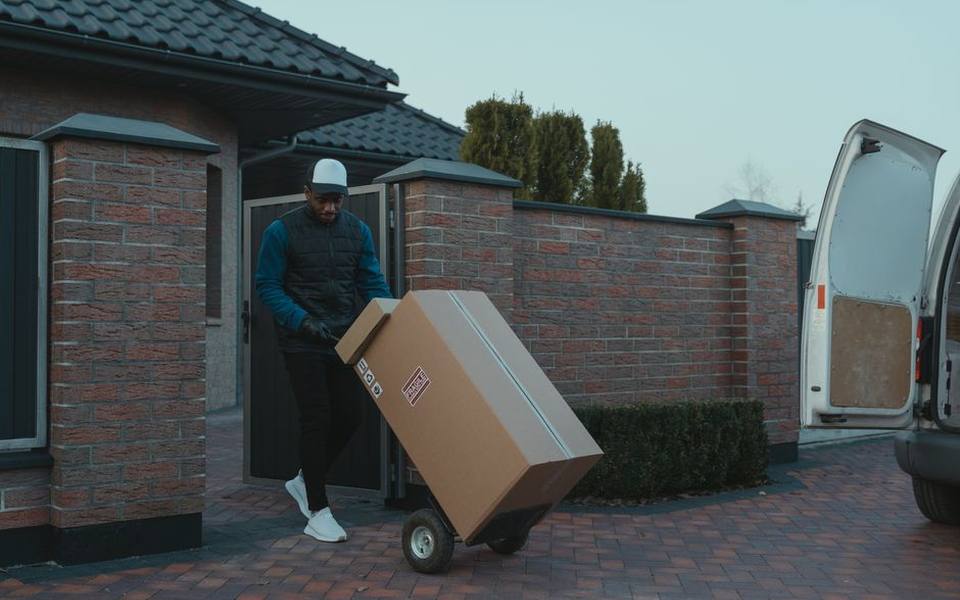
Arriving in a truck, van, or SUV equipped with heavy-duty ratchet straps, moving blankets, bungee cords, and a standard tape measure is critical for large-item hunters. Always measure your vehicle's interior cargo opening before entering the market gate so you know your exact physical dimensions. When negotiating on large furniture, ask the seller upfront whether they can assist in lifting the piece into your vehicle at the end of the day.
Nearly every large outdoor market maintains a dedicated vendor loading zone or vehicle pass system for heavy items. Once you pay for a large piece, the dealer will typically provide a paper claim receipt and place a sold tag on the item. You can then continue shopping on foot, retrieve your vehicle from the general parking lot, and pull into the designated perimeter loading gate to collect your bulky treasures safely.
Field Inspection and Authentication Habits
Harsh outdoor sunlight, dust, and fast-paced crowds can easily distract buyers from inspecting secondhand items thoroughly. Before handing over cash for antique furniture, run your hands along joints, check beneath drawer bottoms for structural splits, and look for signs of historical repairs or mismatched hardware. Wood that appears pristine under bright sunlight may reveal cloudiness, moisture damage, or uneven refinishing once brought inside regular home lighting.
For mechanical devices, electronics, and vintage audio equipment, ask the vendor if they have a portable generator or battery station to test functionality on the spot. If no power source is available, assume mechanical items will require cleaning, lubrication, or professional servicing, and negotiate your purchase price accordingly. Carrying a small LED flashlight allows you to inspect deep inside camera lenses, clock mechanisms, and vintage tube radios.
Textiles, clothing, and vintage workwear demand close scrutiny for dry rot, moth damage, broken zipper teeth, and seam separation. Check underarms, collars, and hems where wear typically concentrates. While minor stains can often be treated using modern laundering techniques, degraded synthetic fabrics or shattered silk cannot be reversed. Learning to walk away from compromised pieces preserves your budget for items that will endure for years to come.
Published 2026-09-21 · reviewed with each rebuild, last September 2026.
Find thrift stores near you
The directory lists 20,630 thrift stores by state and city — pick your state or use the “Near me” button in the header.
More guides
-
 Buying
Wedding Attire Resale and Pricing Guide
-
 Buying
The Complete Guide to Sourcing and Reselling Pre-Owned Bridal and Formal Dresses
-
 Buying
Finding and Styling Vintage Holiday Sweaters and Retro Costumes
-
 Money
MoneyTurning Your Closet Cleanout Into Extra Funds
-
 Money
MoneyHow to Value and Sell Vintage Baseball Cards
-
 Buying
Sourcing Budget-Friendly Apparel and Vintage Wardrobe Staples
-
 Owning
How to Donate and Recycle Used Furniture, Clothes, and Textiles
-
 Money
MoneyValuing and Selling Used Vinyl Records and VHS Tapes
-
 Buying
Finding and Valuing Used Books, Comics, and Collectible Media
-
 Buying
Thrift Stores vs Flea Markets: A Guide to Secondhand Shopping and Resale Sourcing
-
 Money
MoneyEvaluating Vintage Costume Jewelry and Silverware
-
 Buying
Major Charity Thrift Stores: Salvation Army, Goodwill, and St. Vincent de Paul Guide
-
 Buying
Mid-Century Modern Furniture and Antique Malls: Buying and Identification Guide
-
 Buying
Smart Budget Fashion: Navigating Sales, Resale Outlets, and Cheap Clothing Stores
-
 Buying
Ultimate Flea Market and Swap Meet Guide: Regional Hubs, Picking Secrets, and Fair Bargaining
-
 Service
Charity Furniture Pick-Up & Donation Guide: Goodwill, Salvation Army & Local Drop-Offs
-
 Buying
Thrifting Vintage Party Outfits: 1920s Flapper, 70s Disco, and 80s Ensembles
-
 Buying
Antique Mall Treasure Hunting: Valuing Vintage Pyrex, Gold Mirrors, and Collectibles