Evaluating the actual cost of pre-owned wedding and formal dresses
Navigating the secondhand market for bridal attire usually means expecting to pay significantly less than traditional retail pricing. While a brand-new gown can easily demand thousands of dollars, a pre-owned alternative typically costs around half of its original value. This baseline depends heavily on the specific designer and the overall condition of the garment. Shoppers looking for a dress on a strict budget often find that local consignment shops offer substantial savings without compromising on elegance.
Determining a fair value for a used gown requires looking at several distinct variables, primarily fabric quality and the extent of previous modifications. Silk and intricate lace tend to hold their value quite well, but custom alterations can significantly lower the resale potential if the dress is heavily tailored. The age of the dress also plays a major role, as recent styles usually sell much faster than older, discontinued designs.
Formal wear beyond the bride's gown follows a similar depreciation pattern on the secondhand market. The typical expense for a gently used bridesmaid outfit is often a small fraction of the original purchase price. Finding affordable evening gowns relies heavily on browsing local secondhand racks shortly after major social seasons conclude. These garments are usually worn only once and remain in excellent condition, ready for their next event.
Tracking down vintage bridal styles and unique evening wear
Many brides prefer older, distinct designs and frequently wonder about the best places to secure genuine vintage pieces locally. Local charity shops and antique clothing dealers are excellent starting points for this hunt. For instance, exploring thrift stores in New York can reveal classic garments hidden among everyday inventory. Finding a truly vintage piece requires patience and frequent visits to stores with high turnover rates.
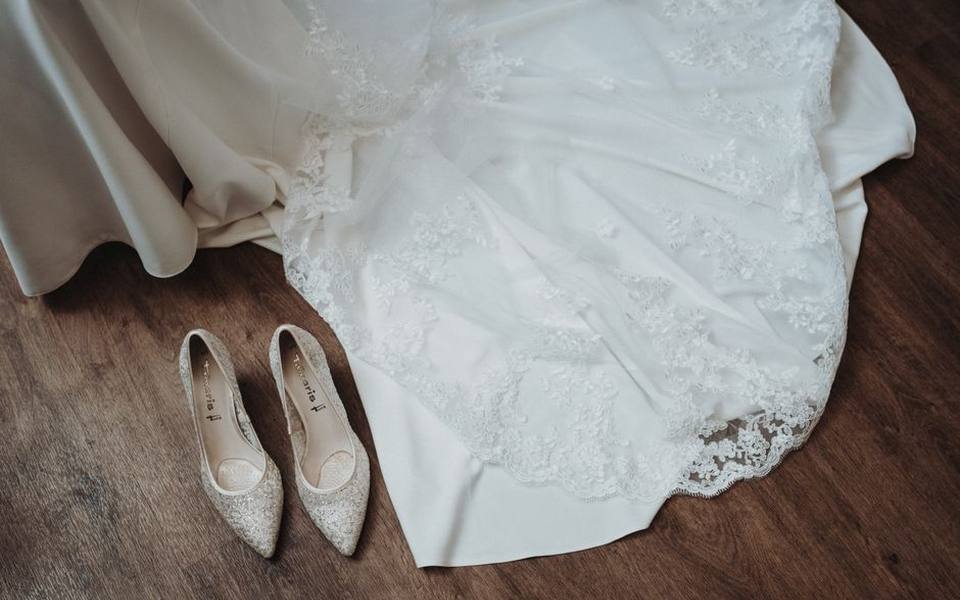
Opting for an older dress provides an incredible opportunity to wear something entirely unique. These garments were frequently constructed with heavier, luxurious fabrics and feature intricate hand-sewn details rarely found in modern affordable fashion. However, shoppers need to carefully inspect older dresses for signs of fabric degradation, such as yellowing, brittle lace, or weakened seams, which might eventually require the intervention of a specialized seamstress.
Discovering attire for high school dances or charity galas is equally rewarding when shopping on the secondhand market. Those looking for budget-friendly formal options locally will often find that neighborhood shops dedicate specific racks to seasonal wear during the spring. It is always wise to try these garments on, as vintage sizing differs drastically from modern charts, meaning a dress marked as a particular size might fit entirely differently than expected.
Preparing and listing a wedding dress for the secondhand market
Selling a bridal gown requires careful preparation to attract serious buyers and command a fair asking price. The first necessary step is having the garment professionally cleaned, as any invisible stains will inevitably cause the delicate fabric to yellow over time. Potential buyers usually expect a dress to be in pristine condition. Minor repairs, such as securing loose buttons or mending small tears in the tulle, should be completed first.
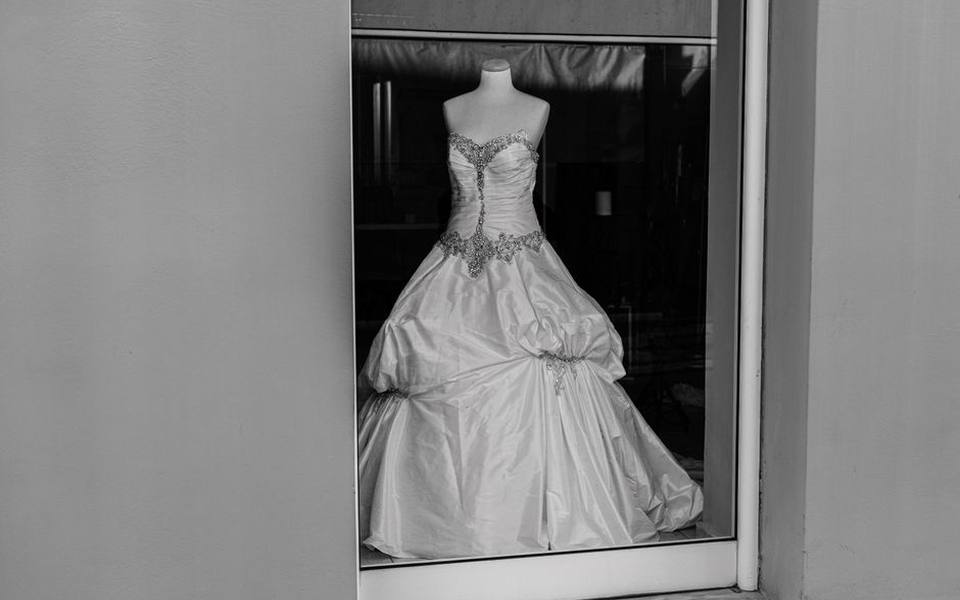
Taking high-quality photographs is absolutely essential when passing on a dress to a new owner. Images should be taken in natural, bright light and clearly show the dress from multiple angles, including close-ups of any beading. It is also incredibly helpful to provide exact measurements of the bust, waist, and hips, rather than just relying on the label size, especially if the dress was previously altered.
Deciding where to list a gown depends entirely on how quickly you wish to complete the process. Local consignment boutiques offer a hands-off approach but typically take a significant percentage of the final sale. Listing the dress on online resale platforms allows sellers to reach a much broader audience, though it requires managing shipping logistics and remaining patient while searching for the right buyer.
Finding affordable formal wear and managing essential alterations
Sourcing affordable evening attire right in your neighborhood is a highly practical approach for anyone attending events on a tight budget. Many community locations process a steady stream of formal wear, especially in more populated metropolitan regions. For example, checking thrift stores in California offers access to a massive inventory of gently used gowns, making it substantially easier to find a matching style in your exact size.
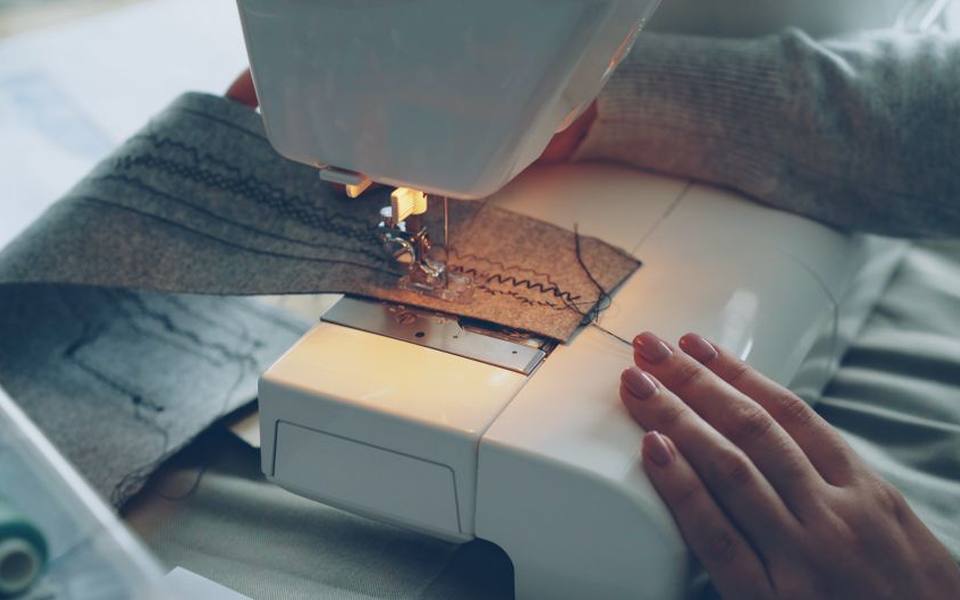
When searching for formal attire, it greatly helps to explore secondhand items available at specialized resale locations that focus strictly on occasion wear. These stores curate their collections much more carefully, ensuring that zippers function smoothly and fabrics are largely free of defects. While prices might be slightly higher than at general charity shops, the time saved in sifting through unwearable garments is often a worthwhile trade-off.
Regardless of where a pre-owned dress is ultimately purchased, budgeting for alterations is an expected part of the entire process. Rarely does a secondhand gown fit perfectly straight off the hanger. A skilled tailor can easily adjust hems, take in side seams, or alter necklines to refresh a style. Factoring the cost of these adjustments into the initial purchase ensures the total expense remains entirely reasonable.
Alternative options for parting with unwanted formal garments
Sometimes, a formal dress simply does not sell on the secondhand market despite your best efforts. Giving the garment away to a charitable organization is a wonderful way to clear closet space while directly helping someone in need. Finding donation drop-off locations near your home is usually simple, though it is always recommended to call ahead and verify they are currently accepting large, bulky gowns.
Donating a valuable garment can also provide distinct financial benefits during tax season, provided the receiving organization is a registered non-profit. When dropping off the dress, always ask for a receipt for your records. The IRS typically requires you to value the donation based on what the item would sell for in a thrift store today, rather than what you originally paid for it at retail.
If the dress holds deep sentimental value or is simply too damaged to be worn again, repurposing the fabric is a highly creative alternative. The high-quality silk or lace can be seamlessly transformed into decorative pillows, smaller evening purses, or even framed as a keepsake piece of art. This thoughtful approach ensures that the cherished memories associated with the garment are preserved for years to come.
Published 2026-09-20 · reviewed with each rebuild, last September 2026.
Find thrift stores near you
The directory lists 20,630 thrift stores by state and city — pick your state or use the “Near me” button in the header.
More guides
-
 Buying
Wedding Attire Resale and Pricing Guide
-
 Buying
Finding and Styling Vintage Holiday Sweaters and Retro Costumes
-
 Money
MoneyTurning Your Closet Cleanout Into Extra Funds
-
 Money
MoneyHow to Value and Sell Vintage Baseball Cards
-
 Buying
Sourcing Budget-Friendly Apparel and Vintage Wardrobe Staples
-
 Owning
How to Donate and Recycle Used Furniture, Clothes, and Textiles
-
 Money
MoneyValuing and Selling Used Vinyl Records and VHS Tapes
-
 Buying
Finding and Valuing Used Books, Comics, and Collectible Media
-
 Buying
Thrift Stores vs Flea Markets: A Guide to Secondhand Shopping and Resale Sourcing
-
 Money
MoneyEvaluating Vintage Costume Jewelry and Silverware
-
 Buying
Ultimate Guide to Flea Markets and Swap Meets Across the US
-
 Buying
Major Charity Thrift Stores: Salvation Army, Goodwill, and St. Vincent de Paul Guide
-
 Buying
Mid-Century Modern Furniture and Antique Malls: Buying and Identification Guide
-
 Buying
Smart Budget Fashion: Navigating Sales, Resale Outlets, and Cheap Clothing Stores
-
 Buying
Ultimate Flea Market and Swap Meet Guide: Regional Hubs, Picking Secrets, and Fair Bargaining
-
 Service
Charity Furniture Pick-Up & Donation Guide: Goodwill, Salvation Army & Local Drop-Offs
-
 Buying
Thrifting Vintage Party Outfits: 1920s Flapper, 70s Disco, and 80s Ensembles
-
 Buying
Antique Mall Treasure Hunting: Valuing Vintage Pyrex, Gold Mirrors, and Collectibles