Understanding How Non-Profit Charity Stores Operate
Walking into a major non-profit resale store feels noticeably different from browsing a traditional retail boutique. These shops exist primarily to turn donated goods into operating capital for community support programs, housing initiatives, addiction recovery centers, and job training services. Because stock is entirely dependent on household donations, inventory turns over almost daily, creating an unpredictable shopping experience where patience and frequent visits yield the best results.
While shoppers often use the general term charity shop interchangeably across all second-hand stores, operational models vary significantly behind the scenes. Some organizations operate strictly as non-profits where retail revenue directly funds social programs, while other regional outfits partner with commercial sorting companies that purchase collected items in bulk. Understanding these underlying structures helps you make informed choices about where to direct your donations and shopping dollars.
Across the country, our independent directory tracks 11,315 listings in top states through the ThriftAtlas directory, covering everything from regional community closets to sprawling multi-acre warehouse outlets. Knowing which organization manages a particular location gives you immediate insight into their typical inventory mix, standard discount schedules, and furniture handling policies.
Shopping Goodwill Retail Centers and Clearance Outlets
Goodwill operates as a loose federation of autonomous regional non-profit organizations rather than a unified national corporate chain. This structure explains why a standard Goodwill thrift store in one county may use digital barcodes and modern lighting while an outlet two hours away still relies on handwritten color-coded adhesive tags. Regional boards set their own pricing guides, markdown schedules, and return policies, meaning your loyalty card or discount day in one metro area typically will not carry over to another.
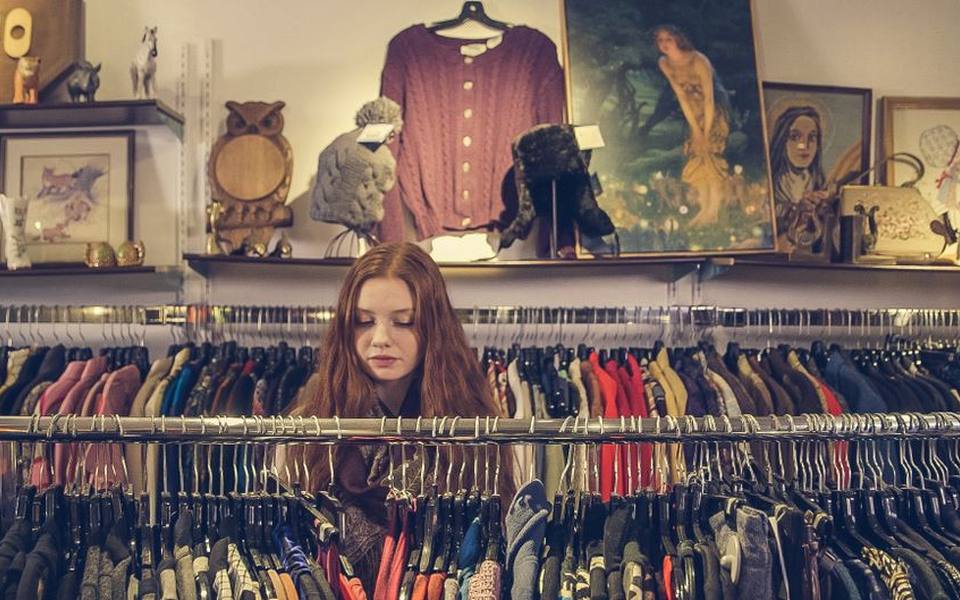
Traditional retail storefronts receive, sort, and process goods directly on-site or through regional distribution hubs. Racks are usually organized by department, size, and garment type, making browsing relatively straightforward compared to smaller independent stores. In recent years, many regional operations have shifted higher-end vintage and designer items to specialized boutique locations or centralized online auction portals, but local retail floors still produce steady finds in everyday apparel, kitchen gadgets, and seasonal decorations.
Beyond retail stores, Goodwill runs clearance centers—commonly known by regular shoppers as the bins—where unsold items from standard stores are wheeled out in large plastic rolling troughs and sold by the pound. These outlets cater to crafters, resellers, and determined bargain hunters willing to wear protective gloves and sift through unsorted textiles and housewares. Items here change rapidly throughout the day, offering some of the lowest entry prices in the entire second-hand market.
Navigating The Salvation Army Family Stores
The Salvation Army thrift store network, historically designated as Family Stores, directly supports the organization's residential Adult Rehabilitation Centers. Retail sales from used goods fund free, long-term programs that provide housing, work therapy, and counseling for individuals recovering from substance abuse. When you purchase goods at a Salvation Army thrift shop, the proceeds remain tied to these rehabilitation facilities rather than broad municipal social grants.
Family Stores often feature significantly larger footprints than neighborhood second-hand outlets, making them popular destinations for used dressers, dining sets, and upholstered seating. Many suburban locations maintain spacious loading docks specifically designed to process bulk home cleanouts, estate dispersals, and office liquidations. Because stock arrives in massive truckloads, inventory in their housewares and furniture departments can shift dramatically from one weekday to the next.
Pricing at Family Stores tends to follow centralized pricing manuals based on garment categories rather than designer labels, though individual store managers hold discretion over sales floor promotions. Tag color sales are standard practice, typically discounting items with specific tag colors by fifty percent each week. If you have bulky items to give away, many branches coordinate dedicated routes for furniture pickup services to collect oversized donations directly from ground-level residences.
The Grassroots Setup of St. Vincent de Paul Stores
Operated under the Society of St. Vincent de Paul, a Catholic volunteer organization, every Saint Vincent de Paul thrift store operates with a deeply localized community focus. Often referred to colloquially as a St. Vincent thrift store, these shops run in close coordination with parish conferences to assist low-income families directly. Rather than merely generating cash revenue, these retail floors frequently honor emergency vouchers distributed by community caseworkers, allowing struggling individuals to obtain clothing, cookware, and beds free of charge.
Because of this hyper-local charity model, Saint Vincent thrift store locations often feel closer to classic church bazaars or community thrift stores than streamlined modern retail chains. Inventory is heavily influenced by immediate neighborhood donations, resulting in an eccentric and charming mix of vintage housewares, mid-century pottery, antique linens, and discontinued hardware. Pricing can vary widely: some locations offer rock-bottom prices on daily essentials while others employ volunteer antique specialists who identify and price collectible pieces closer to fair market value.
Volunteers make up a substantial portion of the floor staff at St. Vincent de Paul locations, which creates a personal, neighborhood atmosphere. Store hours are frequently more restricted than corporate-style chains, with many locations closing early on weekends or shuttering entirely on Sundays and religious holidays. Calling ahead or confirming store hours locally prevents arriving at a dark storefront when planning a shopping trip.
Regional Powerhouses and Dedicated Second Chance Shops
Outside the three major national networks, strong regional organizations operate extensive networks of second-hand storefronts across the country. In southeastern states, America's Thrift Store operates large-scale retail destinations stocked by partnering with regional children's charities, addiction ministries, and medical research foundations. Unlike standard drop-off spots, an America's thrift store outlet relies on fleets of collection trucks and hundreds of roadside donation bins spread across several states, ensuring continuous replenishment of warehouse-sized sales floors.
Community-level non-profits frequently use the label of a second chance thrift store to convey their direct support of human rehabilitation, prisoner re-entry programs, or no-kill animal shelters. These shops often cultivate loyal followings among local decorators and vintage enthusiasts because their sorting process is handled on-site rather than routed through central processing warehouses. What arrives at the back door in the morning frequently appears on the sales floor by mid-afternoon.
Shopping at regional charity shops keeps your money directly invested in localized initiatives like animal adoption centers, local food pantries, or neighborhood women's shelters. These organizations generally lack national corporate marketing budgets, meaning their shelves often contain unexpected gems overlooked by casual flippers who only check larger branded franchises.
Commercial Thrift Chains Versus Non-Profit Operations
Shoppers regularly encounter large, brightly lit second-hand department stores that look identical to non-profit shops but operate as private, for-profit businesses. A prime example is the Unique thrift store network, operating under major commercial resale conglomerates alongside chains like Savers and Value Village. These mega-stores purchase second-hand clothing and goods by the pound from non-profit partner organizations, providing those charities with steady revenue while operating the retail stores for corporate profit.

Distinguishing between a commercial retailer and a traditional charity shop comes down to corporate registration and receipt transparency. For-profit chains clearly display mandatory disclosures at donation drop-offs and cash registers explaining that the store itself is a commercial enterprise rather than a tax-exempt non-profit organization. While the shopping experience at these large stores is organized and comfortable, prices on clothing and vintage goods tend to be higher because inventory is evaluated with sophisticated software tracking market trends.
Understanding this difference helps shoppers decide where their spending produces the most direct social impact. When you purchase goods at a commercial outlet, only a fraction of the original acquisition cost went to the partnering non-profit. In contrast, at a dedicated non-profit storefront, net proceeds after retail overhead go directly into operating community outreach programs.
Navigating Large Furniture Sections and Bulky Housewares
Finding sturdy, solid-wood furniture at reasonable prices has become one of the most compelling reasons to visit charity resale stores. Many modern flat-pack retail items fail to withstand a second move, whereas second-hand stores regularly stock mid-century dressers, solid oak dining tables, and well-constructed bookshelves. To locate locations that carry substantial inventories of home furnishings, look for thrift stores with furniture sections that have dedicated square footage and loading facilities.
Furniture handling policies differ dramatically from regular clothing purchases. Most charity outlets enforce strict rules requiring buyers to remove large pieces within twenty-four to forty-eight hours of payment, and store employees are rarely permitted to assist with loading due to liability restrictions. Bringing your own tape measure, moving blankets, ratchet straps, and a capable helper is essential before committing to a dining buffet or sofa.
Upholstered seating requires extra scrutiny before purchase. Look beneath removable cushions for torn decking, damaged zig-zag springs, and stains, and carefully inspect base seams with a flashlight for signs of pests or moisture damage. While some regions mandate chemical sanitation tags on second-hand mattresses and sofas, many states leave the vetting entirely up to the consumer, making personal inspection vital.
Deciphering Price Tags, Rotating Sales, and Discount Days
Most major charity networks manage their extensive sales floors using color-coded or dated price tags that correspond to regular markdown rotations. Typically, one or two tag colors are discounted by thirty to fifty percent each week, with some stores slashing remaining stock to ninety-nine cents on Sunday or Monday to clear racks for incoming freight. Learning the rhythm of your local shop's tag rotation allows you to calculate whether to buy an item immediately or gamble on finding it at half price later in the week.
In addition to rotating tag promotions, non-profit stores routinely offer set weekly discounts for specific demographics. Senior citizen discounts, military appreciation days, and student savings are commonplace, usually offering ten to twenty percent off total purchases on designated weekdays. Certain locations also distribute customer loyalty punch cards or digital rewards points tied to telephone numbers, though these programs depend strictly on regional management policies.
Manager markdowns occur regularly on items that have lingered past the typical four-to-six-week inventory cycle. If you spot a bulky item or an incomplete housewares set that has missed several markdown cycles without selling, asking a floor manager for a reasonable price adjustment is standard practice in many stores, particularly if an item has minor defects or missing hardware.
Drop-Off Guidelines and Scheduling Furniture Pickups
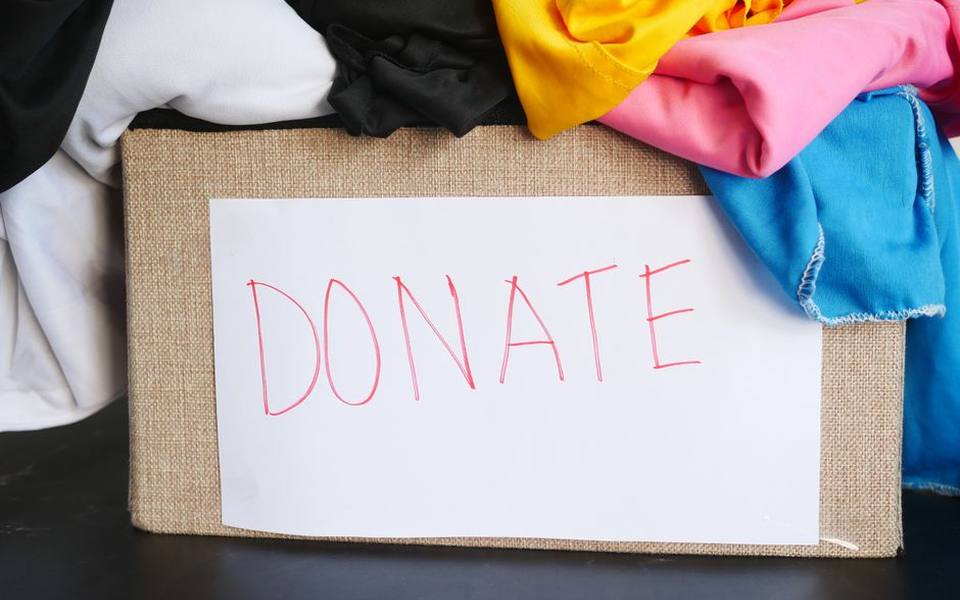
Donating unwanted household items is the foundation that keeps charity stores running, but drop-off requirements have tightened across the country in recent years. Municipal disposal fees for unsellable items cost non-profit networks millions of dollars annually, prompting them to enforce strict standards on acceptable condition. Reviewing verified guidelines for thrift stores accepting donations ensures your items can actually be used rather than diverted to a commercial landfill at the charity's expense.
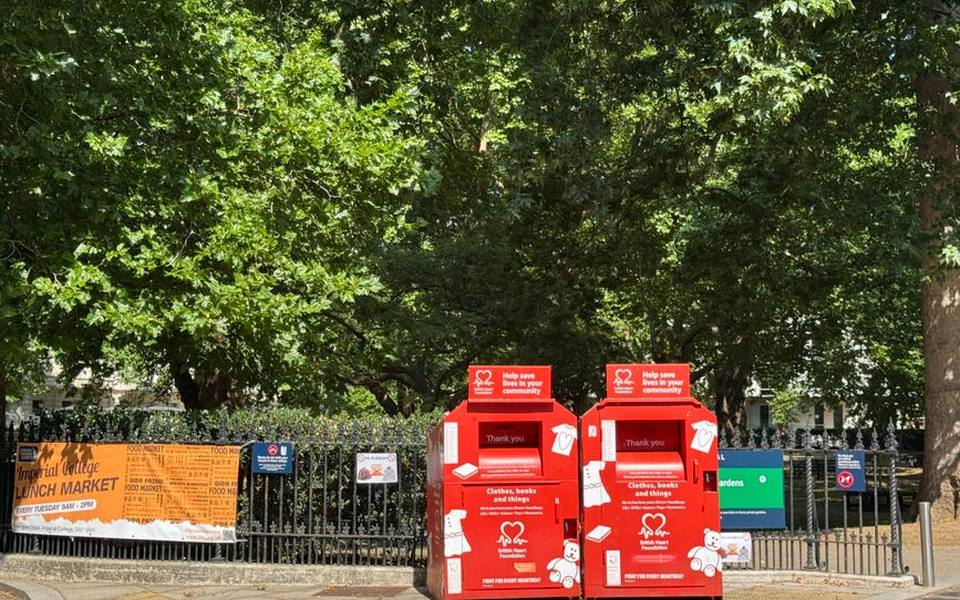
Most donation receiving bays operate during specific daylight hours rather than 24/7, staffed by attendants who conduct preliminary visual inspections before issuing tax receipts. Typical non-accepted items include old cathode-ray tube televisions, child car seats, opened toiletries, damaged pressboard furniture, and ripped or heavily stained mattresses. As a general guideline, items should be clean, functional, and complete with all essential cords, remotes, and hardware.
If you are clearing out an entire house or letting go of heavy solid-wood dining sets, scheduling an in-home pickup is often possible through larger non-profit operations. Keep in mind that pickup slots typically must be booked several weeks in advance, and drivers retain the legal right to decline any item on-site if it fails to meet sanitation standards or poses safety risks during transport.
Testing Electronics and Inspecting Second-Hand Textiles
Charity store return policies are notoriously strict, with many non-profit outlets selling all goods entirely as-is with all sales final. Some larger networks offer limited store credit exchanges for electronics within forty-eight hours, provided the original price sticker and register receipt remain intact. Because cash refunds are virtually nonexistent, testing every appliance, lamp, and electronic gadget at the store's dedicated testing station before heading to the register is crucial.
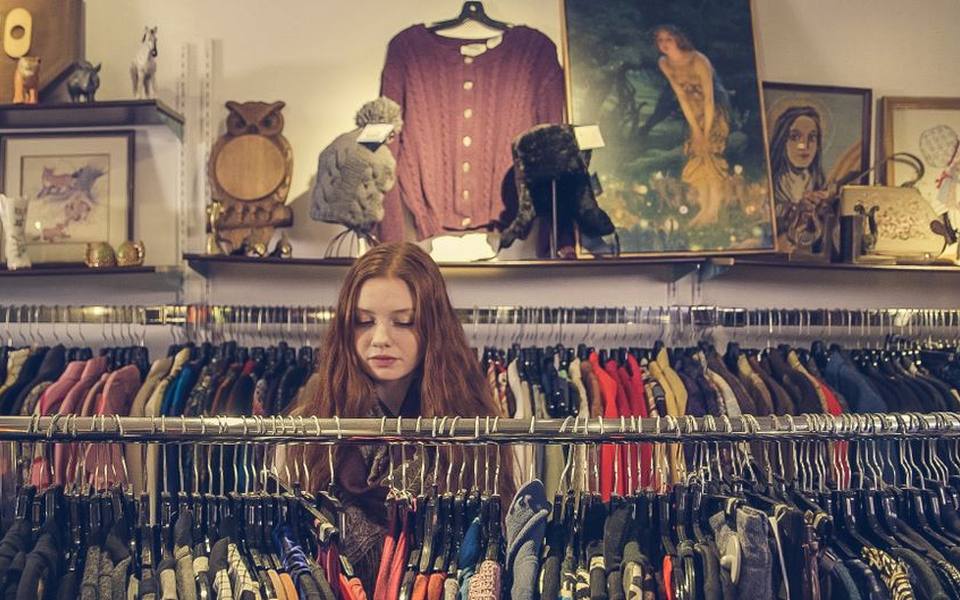
When browsing clothing racks, rely on touch and visual inspection rather than marked tag sizes. Vintage garments, items subjected to repeated hot-water washing, and foreign-market goods often fit very differently than contemporary vanity-sized retail clothing. Examine high-friction zones—such as underarms, inner thigh seams, collars, and cuffs—for pilling, fraying, or discoloration, and test every zipper and button to ensure you will not be facing unexpected repairs.
For shoppers interested in vintage textiles, crafting materials, or musical equipment, exploring specialized venues can be more fruitful than generic clothing racks. The community often preserves antique sewing patterns, fabric bolts, and instruments through second-hand craft, music, and specialty stores, where inventory is handled by staff with subject-matter expertise rather than mixed in with common household discards.
Finding the Most Promising Thrift Locations in Your Area
The inventory quality of any thrift store is intrinsically linked to the donation patterns of its immediate geographic surroundings. Outlets located in affluent suburban enclaves, historic neighborhoods, or fast-growing master-planned communities typically receive a higher volume of designer labels, barely used kitchen appliances, and solid-wood furnishings. Conversely, shops near major university campuses frequently see an influx of affordable student home goods, organizational bins, and contemporary fast-fashion pieces at the close of every semester.
It is worth noting that some national networks operate centralized regional sorting hubs, redistributing donations across multiple stores in a metropolitan area to ensure fair access to quality goods across different communities. However, stores situated with direct exterior drive-through donation lanes still tend to process a considerable portion of their bulky furniture and seasonal goods directly on-site, offering keen shoppers a slight regional edge.
Planning an efficient shopping route involves mapping several stores clustered along common transit corridors rather than relying on a single destination. With thousands of verified charity resale destinations cataloged across the country, checking our comprehensive regional directories helps you discover unassuming neighborhood non-profit shops alongside the high-profile retail centers.
Published 2026-09-21 · reviewed with each rebuild, last September 2026.
Find thrift stores near you
The directory lists 20,630 thrift stores by state and city — pick your state or use the “Near me” button in the header.
More guides
-
 Buying
Wedding Attire Resale and Pricing Guide
-
 Buying
The Complete Guide to Sourcing and Reselling Pre-Owned Bridal and Formal Dresses
-
 Buying
Finding and Styling Vintage Holiday Sweaters and Retro Costumes
-
 Money
MoneyTurning Your Closet Cleanout Into Extra Funds
-
 Money
MoneyHow to Value and Sell Vintage Baseball Cards
-
 Buying
Sourcing Budget-Friendly Apparel and Vintage Wardrobe Staples
-
 Owning
How to Donate and Recycle Used Furniture, Clothes, and Textiles
-
 Money
MoneyValuing and Selling Used Vinyl Records and VHS Tapes
-
 Buying
Finding and Valuing Used Books, Comics, and Collectible Media
-
 Buying
Thrift Stores vs Flea Markets: A Guide to Secondhand Shopping and Resale Sourcing
-
 Money
MoneyEvaluating Vintage Costume Jewelry and Silverware
-
 Buying
Ultimate Guide to Flea Markets and Swap Meets Across the US
-
 Buying
Mid-Century Modern Furniture and Antique Malls: Buying and Identification Guide
-
 Buying
Smart Budget Fashion: Navigating Sales, Resale Outlets, and Cheap Clothing Stores
-
 Buying
Ultimate Flea Market and Swap Meet Guide: Regional Hubs, Picking Secrets, and Fair Bargaining
-
 Service
Charity Furniture Pick-Up & Donation Guide: Goodwill, Salvation Army & Local Drop-Offs
-
 Buying
Thrifting Vintage Party Outfits: 1920s Flapper, 70s Disco, and 80s Ensembles
-
 Buying
Antique Mall Treasure Hunting: Valuing Vintage Pyrex, Gold Mirrors, and Collectibles