How Charity Furniture Pick-Up Works
Scheduling a pick up of donated furniture allows homeowners and apartment dwellers to clear out bulky items without renting a trailer or hauling heavy loads across town. Most national non-profit organizations and independent thrift networks run designated box trucks along fixed geographic routes. When you request an appointment, dispatchers assign an arrival window based on your postal code and the volume of furnishings you plan to donate.
While non-profit organizations rely on donated goods to fund community initiatives, providing transportation is an expensive logistical operation. As a result, organizations that manage their own collection vehicles enforce strict guidelines regarding what pieces their crews can physically lift and legally transport. Knowing which thrift stores with furniture pickup operate directly in your region helps avoid last-minute cancellations on moving day.
Pickup logistics generally fall into two models: direct fleet services provided entirely by charity personnel, and contracted logistics where third-party haulers charge a discounted labor fee to deliver your goods directly to store loading docks. Both options save considerable physical labor, though understanding the exact arrangement prevents unexpected surprises when the truck pulls into your driveway.
Salvation Army Truck Logistics and Scheduling
The Salvation Army remains one of the few national charitable organizations that continues to operate its own dedicated fleet of collection vehicles across suburban and urban communities. Booking a Salvation Army donation truck pick up typically starts through their regional online routing portals, where donors enter their zip code to view upcoming open dates. In densely populated metro areas, slots often fill several weeks ahead of time, while rural coverage may depend on monthly collection sweeps.
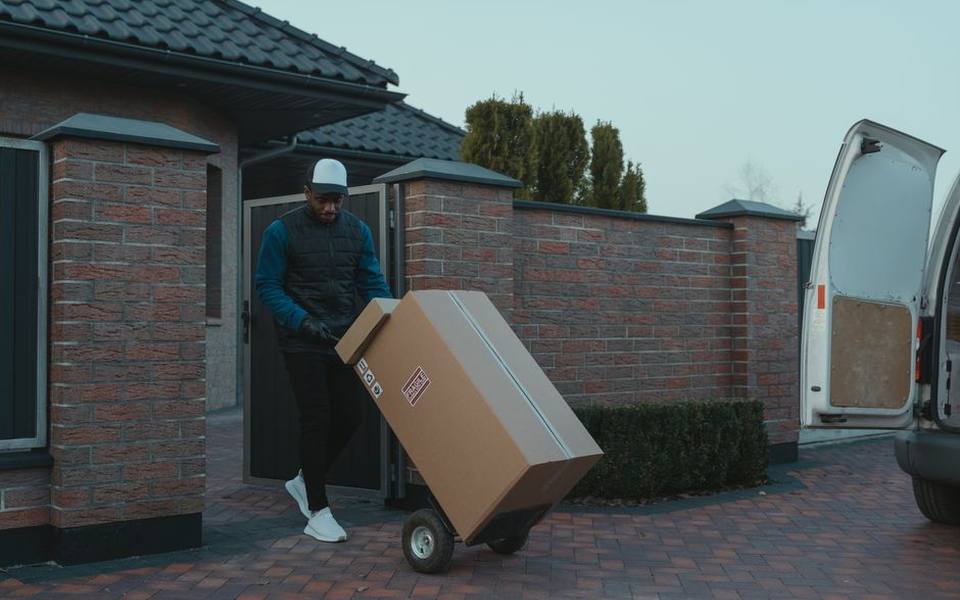
When planning Salvation Army furniture pickups, you must list every individual piece in advance so the logistics coordinator can allocate appropriate cubic footage inside the cargo box. Drivers generally work under strict daily quotas, meaning they rarely accept unlisted bulky pieces that were not pre-approved on the manifest. If you have an oversized sectional or an entire bedroom suite, documenting dimensions beforehand ensures the crew arrives with sufficient capacity.
Crews inspect every piece at the threshold before loading it into the vehicle. Organization policy grants drivers final discretion to reject any item that presents structural hazards, odors, or severe upholstery wear. Because the goal is reselling the inventory through family stores to fund adult rehabilitation programs, non-profits cannot expend budget dollars hauling pieces straight to a waste transfer station.
Goodwill Collection Policies and Hauling Partnerships
A common point of confusion among donors involves scheduling a direct Goodwill donation pick up service. While many donors assume local stores operate route vans like traditional moving companies, the vast majority of regional Goodwill territories do not maintain residential furniture trucks. Managing heavy vehicle fleets, fuel expenses, and lifting liability often proves cost-prohibitive for regional community branches.
Instead, most regional chapters establish formal partnerships with independent junk removal and commercial hauling platforms to handle residential pickups. When you request a Goodwill donation pick up through an online store portal, you are frequently connected to a third-party partner that charges a labor fee based on the truck volume your items occupy. The crew then delivers all usable furnishings to the regional retail distribution hub on your behalf.
For donors with limited vehicle space who want to avoid transport fees, utilizing direct donation bays remains the most budget-friendly method. Researching regional thrift stores accepting donations allows you to locate drive-through lanes where attendants unload heavy items directly from your trunk or truck bed at no expense.
Drop-Off Hours and Attended Donation Centers
Transporting goods yourself offers immediate turnaround without waiting for scheduled truck openings, but tracking retail schedules is critical. Posted Goodwill drop off hours rarely mirror the open hours of the attached retail store. Most attended donation centers open thirty minutes after store doors unlock and close an hour before retail registers shut down to ensure staff can sort and secure all items safely before nightfall.
Arriving outside established drop-off windows can create serious legal and safety concerns for both donors and charity staff. Leaving couches, mattresses, or clothing bags along exterior fences after attendants leave is classified as illegal dumping in most municipalities and exposes donations to weather damage and pest infestation. In many jurisdictions, security cameras monitor perimeter donation bays, and citations carry substantial municipal fines.
When arriving during operating hours, follow posted lot arrows to the designated roll-up door or covered canopy. Uniformed attendants will usually roll out heavy canvas sorting bins and examine the goods before providing a donation receipt. Having heavy wooden furniture tied down securely with ratchet straps ensures safe transit and prevents accidental damage during highway transit to the retail drop point.
Criteria for Upholstered Furniture and Couches
Arranging a charity couch pick up requires an honest assessment of wear, tear, and structural condition. Non-profit processing centers operate on narrow margins and lack the industrial equipment required to clean upholstery or repair broken timber frames. Consequently, charities that pick up furniture mandate that soft furnishings arrive in clean, structurally sound, and immediately salable condition.
Inspect your sofa under bright lighting for visible problems before submitting a pickup request. Any noticeable pet claw marks, deep fabric tears, sun fading, broken springs, or heavy pet hair accumulation will result in rejection at the curb. Furthermore, non-profits enforce strict zero-tolerance policies regarding smoke odors, mildew, and liquid watermarks, as these scents quickly spread to adjacent clothing and textiles inside closed storage bays.
Mattresses represent another heavily restricted category across nearly every charitable donation network. Due to state and federal bedding sanitation statutes, very few charity networks accept used mattresses or box springs under any circumstance. Those rare locations that do take sleep sets require that they be entirely spotless, structurally level, and covered under valid manufacturing tags that remain legally attached.
Goodwill Clothing and Household Goods Donations
While arranging transportation for bulky furniture often requires coordination, a standard Goodwill clothing donation remains an effortless routine for clearing closet clutter. Donors frequently pair smaller boxed household items with scheduled furniture drop-offs to streamline their decluttering process in a single weekend trip. Clean textiles, folded apparel, shoes, and home accessories are always in steady demand across thrift retail networks.
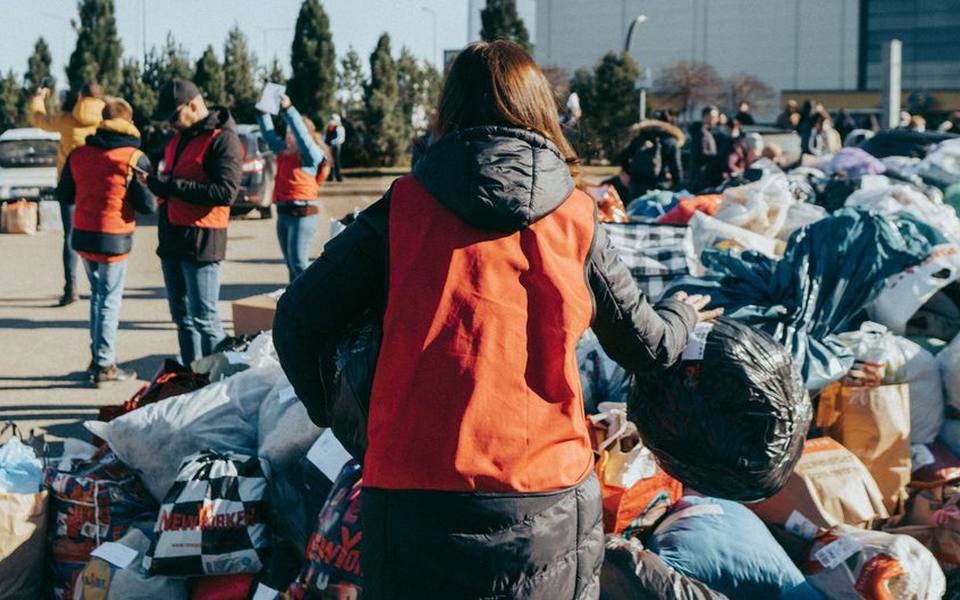
To prepare clothing for drop-off, wash and dry all garments thoroughly before packing them into sturdy plastic bags or cardboard boxes. While sorting apparel by size or gender is not required, grouping pairs of footwear together with rubber bands helps processing staff keep inventory matched. Most centers accept clean linens, towels, blankets, and curtains alongside ordinary personal apparel.
Torn or stained garments can still serve a charitable purpose through textile recycling partnerships. Many non-profit distribution hubs bale worn garments that fail floor inspections and sell them to industrial fiber reclaimers to generate supplemental operational revenue. Clearly separating pristine wardrobe pieces from worn scrap rags in labeled containers speeds up floor sorting for intake volunteers.
Regional Differences and Finding Local Charity Pickups
Collection options vary dramatically depending on whether you live in a dense metropolitan corridor or a rural township. National organizations frequently maintain larger collection vehicle fleets across states with high store concentrations, including California, Texas, Florida, and Pennsylvania. Across the ThriftAtlas network of 11,315 listings in top states, regional service availability dictates whether a non-profit truck can reach an individual residential driveway.
In areas where national fleets do not operate residential pickups, community rescue missions, veterans organizations, and local religious pantries frequently manage independent routes. Exploring independent thrift stores with furniture sections often reveals regional housing initiatives that provide collection trucks specifically to furnish transitional apartments for families moving out of local shelters.
Before finalizing plans, contact the branch dispatcher directly to verify service zone boundaries. While online booking engines may accept a postal code, dispatchers occasionally alter collection borders based on seasonal road conditions, vehicle maintenance schedules, or municipal parking limitations in crowded downtown quarters.
Understanding Tag Color Systems and Where Goods Go
Once donated furnishings and household goods arrive at a processing warehouse, staff members inspect, sanitize, and price each piece before transferring it to the sales floor. Most thrift organizations use a color-coded tag rotation system to manage retail inventory aging. Every incoming shipment receives a colored plastic barb or adhesive price sticker corresponding to the week it was stocked.
These color codes provide shoppers with weekly rotating discounts, typically ranging from twenty-five to seventy-five percent off original retail price tags as items sit on the floor. For donors, understanding this inventory cycle clarifies why stores maintain strict condition standards. If a scratched dining set or faded recliner fails to sell within several weeks despite steep markdowns, the store must absorb expensive commercial disposal costs to clear showroom floor area.
Revenue earned from retail floor sales directly funds the charity's mission programs, such as workforce training, emergency shelter housing, or veteran rehabilitation initiatives. In cases where specialty or vintage goods arrive at donation bays, items may be transferred to targeted sales channels or dedicated specialty outlets that handle rare curiosities, musical instruments, and collectible home decor.
Preparing Heavy Furniture for Pick-Up Day
Proper preparation before the collection crew arrives protects both your home interior and the safety of the charity staff. Insurance policies often restrict charity truck workers from maneuvering down tight residential staircases or through delicate interior living rooms. In many regions, collection crews are authorized only to retrieve pieces positioned on ground-floor porches, inside open garages, or curbside.
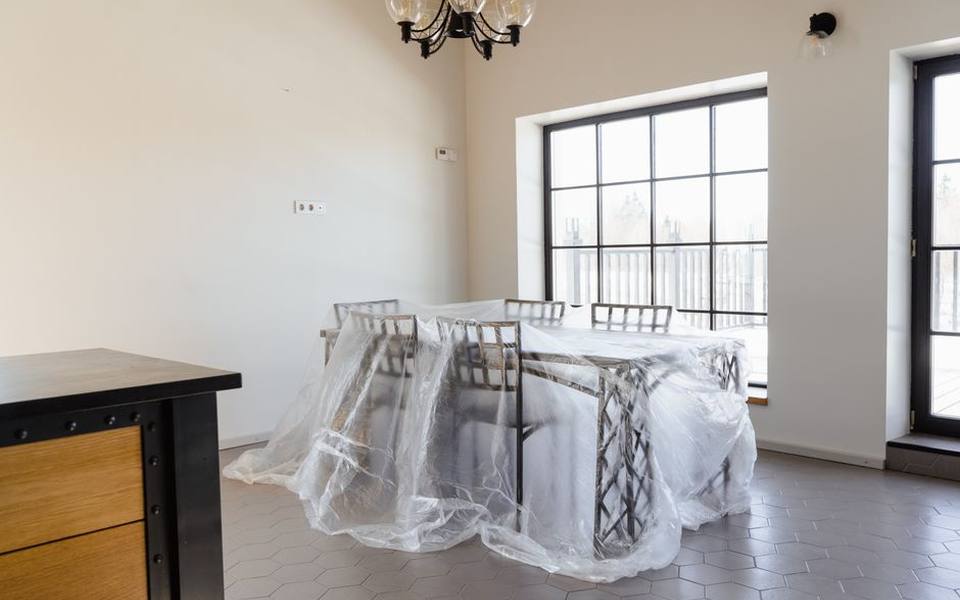
To ensure a seamless retrieval, dismantle complex multi-piece furnishings beforehand. Remove leaves from expanding dining tables, tape all loose hardware inside labeled plastic bags, and tape them to the underside of tabletop surfaces. For heavy storage dressers, remove all interior sliding drawers to lighten the frame, allowing the loading team to carry the timber carcass without straining.
If your residence requires navigating hallways or passing through building elevators, measure door clearances well before truck arrival. Clear rugs, entryway shoe racks, and fragile wall decor from access pathways. Providing unhindered ground-level access significantly reduces loading time and prevents accidental scuffs on drywall or door trim during transit.
Tax Deductions, Valuation Rules, and Official Receipts
Donating items to charity provides a tangible tax advantage when you itemize deductions on annual federal income tax returns. Whenever you surrender furniture through a scheduled residential truck route or at an attended drop-off door, workers will provide a physical or digital tax receipt. The donor remains legally responsible for determining the fair market value of all non-cash contributions.
The Internal Revenue Service defines fair market value as the price an item would reasonably fetch between a willing buyer and a willing seller in a secondhand market. Donors cannot deduct original retail purchase prices for used furnishings; instead, valuation relies on thrift store retail pricing for pieces in comparable age and condition. Keeping dated photographs of high-value items substantiates your records in the event of an audit.
For total non-cash property donations exceeding five hundred dollars during a single calendar tax year, donors must complete IRS Form 8283 alongside their standard tax filings. If an individual unique antique or specialty furnishings donation exceeds five thousand dollars in value, federal guidelines generally require obtaining a certified independent written appraisal prior to claiming the full deduction.
Published 2026-09-22 · reviewed with each rebuild, last September 2026.
Find thrift stores near you
The directory lists 20,630 thrift stores by state and city — pick your state or use the “Near me” button in the header.
More guides
-
 Buying
Wedding Attire Resale and Pricing Guide
-
 Buying
The Complete Guide to Sourcing and Reselling Pre-Owned Bridal and Formal Dresses
-
 Buying
Finding and Styling Vintage Holiday Sweaters and Retro Costumes
-
 Money
MoneyTurning Your Closet Cleanout Into Extra Funds
-
 Money
MoneyHow to Value and Sell Vintage Baseball Cards
-
 Buying
Sourcing Budget-Friendly Apparel and Vintage Wardrobe Staples
-
 Owning
How to Donate and Recycle Used Furniture, Clothes, and Textiles
-
 Money
MoneyValuing and Selling Used Vinyl Records and VHS Tapes
-
 Buying
Finding and Valuing Used Books, Comics, and Collectible Media
-
 Buying
Thrift Stores vs Flea Markets: A Guide to Secondhand Shopping and Resale Sourcing
-
 Money
MoneyEvaluating Vintage Costume Jewelry and Silverware
-
 Buying
Ultimate Guide to Flea Markets and Swap Meets Across the US
-
 Buying
Major Charity Thrift Stores: Salvation Army, Goodwill, and St. Vincent de Paul Guide
-
 Buying
Mid-Century Modern Furniture and Antique Malls: Buying and Identification Guide
-
 Buying
Smart Budget Fashion: Navigating Sales, Resale Outlets, and Cheap Clothing Stores
-
 Buying
Ultimate Flea Market and Swap Meet Guide: Regional Hubs, Picking Secrets, and Fair Bargaining
-
 Buying
Thrifting Vintage Party Outfits: 1920s Flapper, 70s Disco, and 80s Ensembles
-
 Buying
Antique Mall Treasure Hunting: Valuing Vintage Pyrex, Gold Mirrors, and Collectibles