Assessing the Value of Vintage Media
When figuring out if your old music and movies have any financial value, the answer relies entirely on rarity, demand, and condition. Most mass-produced albums from the late twentieth century hold little monetary value because millions of copies were printed. However, specific pressings, limited editions, or obscure genres can command a premium. The market for physical media is driven by collectors who look for items that are difficult to find anywhere else.
Pricing vintage albums usually depends on the artist and the specific release version. A common classic rock album might only bring in a few dollars, while a rare jazz pressing or an early punk release can fetch significantly more. You can typically identify a valuable pressing by checking the catalog number and the etched characters in the dead wax near the center label. These details help collectors verify the exact manufacturing run.
The market for old video cassettes operates under similar rules, though it is much smaller. While mainstream family movies are generally worth very little, specific genres like obscure horror films, independent releases, or sealed professional wrestling tapes can attract dedicated buyers. Selling these tapes for cash requires finding niche collectors who value the original cover art and the nostalgic analog viewing experience.
Inspecting Condition and Grading
The physical condition of an album and its outer sleeve drastically affects its final selling price. Collectors usually rely on established grading systems to evaluate wear and tear. A record that looks completely unplayed will always fetch the highest price, while those with deep scratches, surface noise, or split seams on the jacket will see a significant drop in value. Even a highly sought-after release becomes difficult to sell if poorly maintained.
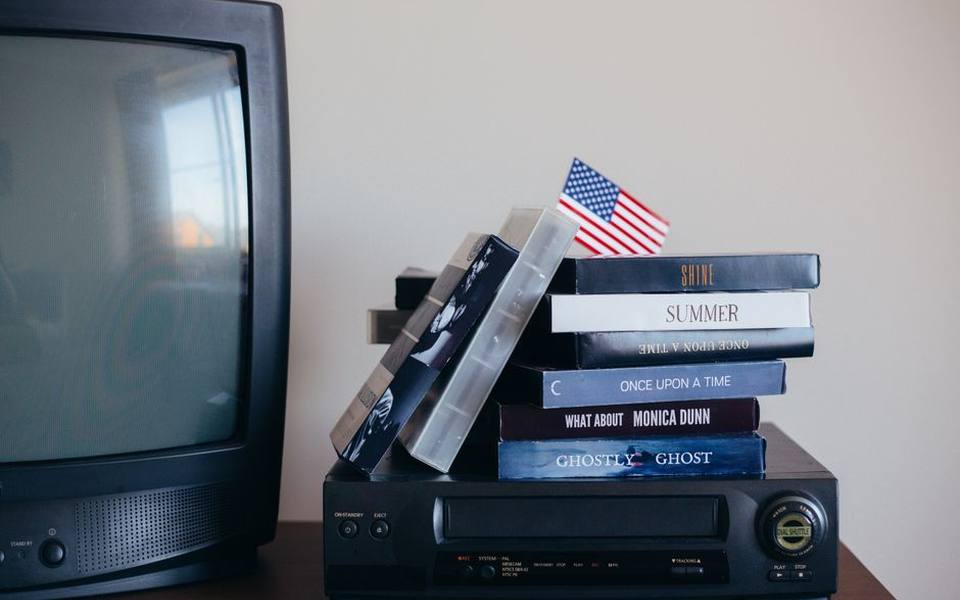
Video cassettes require a different type of visual inspection before you try to sell them. Buyers will look closely at the cardboard slipcase for creases, fading, or edge wear. More importantly, they will inspect the actual tape through the clear window to check for white mold, which often develops when tapes are stored in damp basements. A moldy tape is typically considered worthless because playing it can ruin a videocassette recorder.
Preparing your items for a buyer involves gentle cleaning, but you must proceed with caution. Wiping away surface dust with a specialized anti-static brush can improve a record's appearance and playback quality. However, using household glass cleaners or harsh chemicals will permanently damage the grooves. For cassettes, simply wiping down the plastic shell and carefully removing any price stickers from the box is usually enough preparation.
Evaluating Antique Record Player Cabinets
Determining the worth of an antique console stereo depends on the brand, the internal components, and the aesthetic condition of the wooden housing. Mid-century modern designs with high-quality tube amplifiers are typically the most desirable. Because these units are exceptionally heavy and difficult to transport, you might want to look into thrift stores with furniture pickup if you decide to donate rather than sell.
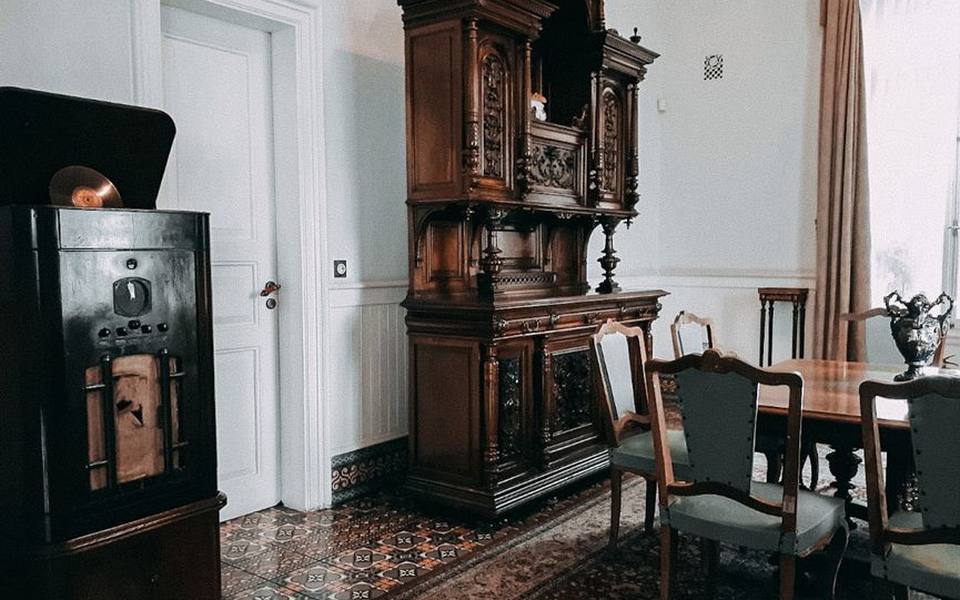
Many vintage stereo consoles require extensive electrical restoration before they are safe for daily use. Old capacitors and wiring often degrade over the decades, meaning a buyer will likely factor the cost of repairs into their offer. If the internal electronics are completely ruined, the piece might still hold some value as a decorative item, though it will generally sell for much less than a fully functioning unit.
If you plan to sell the cabinet as a functional piece of furniture, you will need to test the turntable mechanism and the speakers. Replacing a worn needle or a broken drive belt is usually a minor expense that can make the console much more appealing to a buyer. A clean, polished cabinet with a working phonograph will attract both audio enthusiasts and interior design fans.
Finding Local Buyers for Your Collection
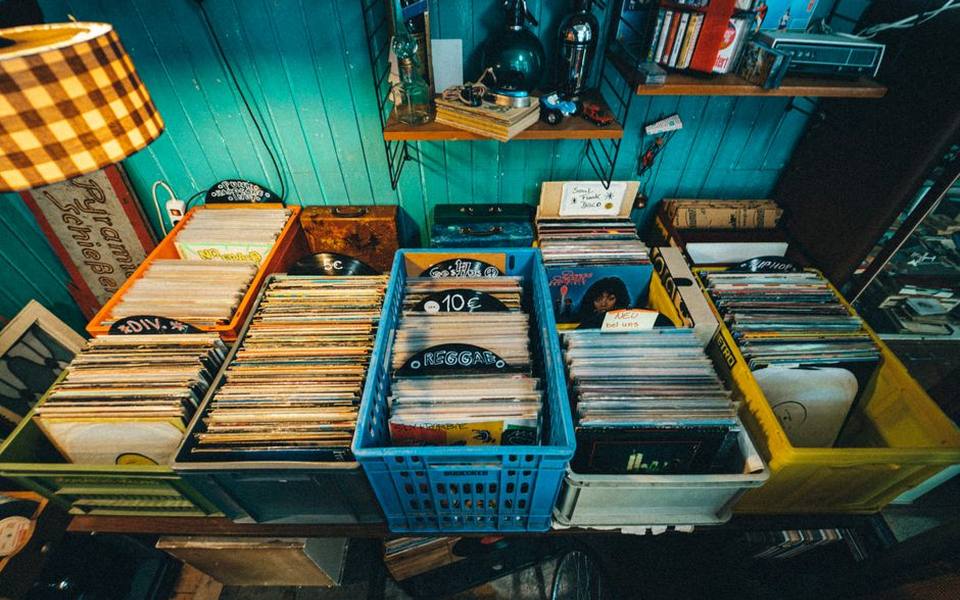
When you are ready to offload your items, independent record shops are usually the most convenient option. These businesses rely on buying used collections to stock their shelves and will typically offer a percentage of the estimated retail value in cash or store credit. You can often locate appropriate buyers by checking directories for secondhand craft, music, and specialty stores in your immediate area.
If your collection consists mostly of common titles in average condition, local charity shops might be the most practical destination. While you will not receive direct cash, donating frees up space quickly and helps support community programs. Finding thrift stores accepting donations is fairly simple, and many locations have a dedicated drop-off area where staff can assist you with unloading heavy boxes of media.
Geographic location can influence how easily you can sell large collections. Urban centers with a strong arts culture tend to have a higher concentration of specialized buyers and collectors willing to pay competitive rates. For instance, browsing through thrift stores in California reveals a massive secondary market, giving sellers numerous options for liquidating everything from rare vinyl to vintage electronic components.
Strategies for Maximizing Your Payout
The approach you take to selling will determine how much money you ultimately make. Selling items individually to private buyers usually yields the highest return, but it requires a significant time investment to list, grade, and ship each piece. Alternatively, selling an entire collection as a single lot to a dealer provides immediate cash, though you should expect a wholesale discount since the buyer assumes the risk of reselling.
Organization is crucial when presenting a large collection to a potential buyer. Creating a simple spreadsheet that lists the artist, title, and visual condition of each item allows dealers to make faster and more accurate assessments. Highlighting any known rare pressings or sealed copies within the list ensures that the buyer does not overlook the most valuable pieces during a quick initial inspection.
Managing your expectations is perhaps the most important part of the selling process. Media pricing fluctuates based on current trends and generational nostalgia. An artist that was highly collectible ten years ago might see a drop in demand today. By understanding the current market and accurately evaluating the condition of your items, you can negotiate fairly and secure a reasonable price for your vintage media.
Published 2026-09-20 · reviewed with each rebuild, last September 2026.
Find thrift stores near you
The directory lists 20,630 thrift stores by state and city — pick your state or use the “Near me” button in the header.
More guides
-
 Buying
Wedding Attire Resale and Pricing Guide
-
 Buying
The Complete Guide to Sourcing and Reselling Pre-Owned Bridal and Formal Dresses
-
 Buying
Finding and Styling Vintage Holiday Sweaters and Retro Costumes
-
 Money
MoneyTurning Your Closet Cleanout Into Extra Funds
-
 Money
MoneyHow to Value and Sell Vintage Baseball Cards
-
 Buying
Sourcing Budget-Friendly Apparel and Vintage Wardrobe Staples
-
 Owning
How to Donate and Recycle Used Furniture, Clothes, and Textiles
-
 Buying
Finding and Valuing Used Books, Comics, and Collectible Media
-
 Buying
Thrift Stores vs Flea Markets: A Guide to Secondhand Shopping and Resale Sourcing
-
 Money
MoneyEvaluating Vintage Costume Jewelry and Silverware
-
 Buying
Ultimate Guide to Flea Markets and Swap Meets Across the US
-
 Buying
Major Charity Thrift Stores: Salvation Army, Goodwill, and St. Vincent de Paul Guide
-
 Buying
Mid-Century Modern Furniture and Antique Malls: Buying and Identification Guide
-
 Buying
Smart Budget Fashion: Navigating Sales, Resale Outlets, and Cheap Clothing Stores
-
 Buying
Ultimate Flea Market and Swap Meet Guide: Regional Hubs, Picking Secrets, and Fair Bargaining
-
 Service
Charity Furniture Pick-Up & Donation Guide: Goodwill, Salvation Army & Local Drop-Offs
-
 Buying
Thrifting Vintage Party Outfits: 1920s Flapper, 70s Disco, and 80s Ensembles
-
 Buying
Antique Mall Treasure Hunting: Valuing Vintage Pyrex, Gold Mirrors, and Collectibles