Why Secondhand Outfits Outshine Fast-Fashion Costumes
Buying a prepackaged polyester costume from a seasonal pop-up store often leads to disappointment, as thin fabrics, scratchy seams, and generic cuts rarely flatter anyone. Thrifting an outfit for an upcoming theme gathering allows you to curate substantial, well-made garments that look authentic rather than comedic. Real vintage or retro-inspired secondhand clothing holds shape, hangs naturally against the body, and provides unique character that standard costume kits simply cannot replicate.
Shopping at local thrift stores also keeps party preparation remarkably affordable, with complete ensembles frequently costing less than a single plastic-wrapped bag set. When you browse existing inventory across secondhand retailers across the country, you can discover forgotten silk blouses, heavyweight velvet vests, genuine leather belts, and tailored jackets that can be reused in your regular everyday rotation long after the weekend event concludes.
Another distinct advantage of secondhand sourcing is custom sizing and layering flexibility. Prepackaged costumes typically come in rigid standard sizing that rarely accommodates different body proportions comfortably. By sourcing individual separates—skirts, trousers, tops, and outerwear—from thrift racks, you can mix sizes, swap cuts, and adjust silhouettes to create a personalized outfit that feels comfortable throughout hours of socializing, dining, or dancing.
Recreating 1920s Elegance Without the Cheesy Gimmicks
When preparing for an event themed around the Jazz Age, many shoppers reflexively reach for plastic fringe and synthetic feather boas. Authentic roaring twenties dresses, however, were defined by clean lines, tubular silhouettes, and exquisite surface detailing rather than gaudy novelty trims. Look through modern slip dress racks, cocktail sections, and formal gown collections for straight-cut, drop-waist silhouettes that drape effortlessly without tightly cinching the natural waistline.
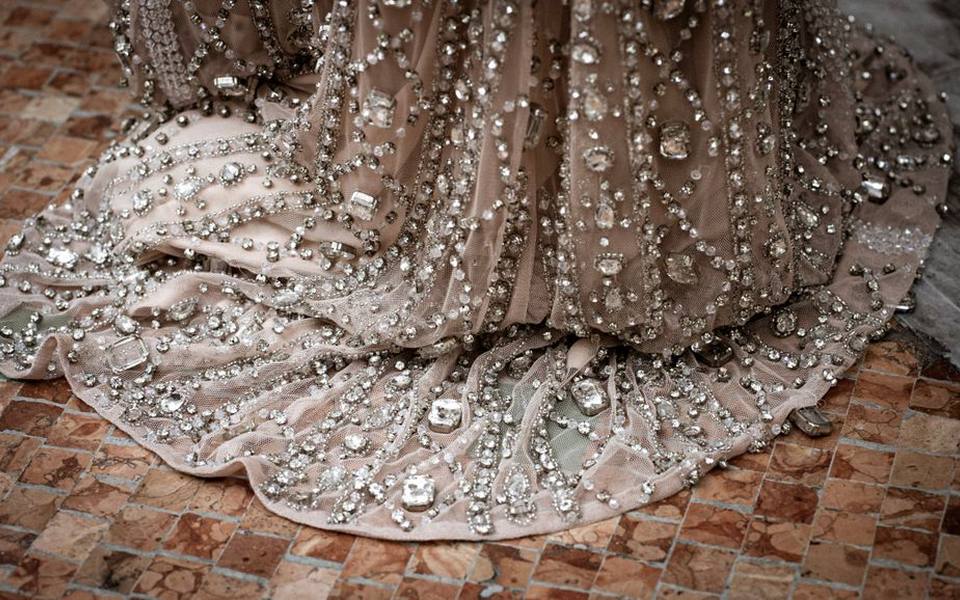
To achieve a convincing roaring 20s style dress aesthetic, prioritize textures like burnout velvet, geometric Art Deco beadwork, accordion pleats, and fluid rayon or silk. A simple sleeveless shifts dress from the 1990s or early 2000s often mirrors 1920s roaring dress proportions surprisingly well, especially when paired with an elongated necklace or an embellished scarf draped loosely over the shoulders.
Menswear from the era follows a similarly structured yet relaxed aesthetic that is easy to build from standard thrift racks. A classic tweed or herringbone three-piece suit, or simply pairing pleated wool trousers with a tailored vest, immediately creates a polished roaring 20s dress attire look. Finish the outfit with a crisp button-down shirt, a knit tie, and polished wingtips or oxford shoes found in the footwear aisle.
Styling Hair and Accessories for Jazz Age Authenticity
Accessories make or break an outfit inspired by the roaring twenties, turning an otherwise ordinary modern slip into an evocative period ensemble. Instead of elastic plastic headbands, browse secondhand jewelry counters for metallic hair combs, ribbon barrettes, and strings of faux pearls that can be looped multiple times or knotted mid-chest. A beaded clutch purse or an embroidered velvet pouch picked up for a few dollars completes the look cleanly.
Headwear was an indispensable component of everyday 1920s fashion for both men and women. For women, cloche-style hats occasionally appear in hat bins or millinery sections, featuring snug bell shapes that frame short bob hairstyles. Men can easily track down wool newsboy caps, flat driving caps, or structured fedoras in the men's accessory corner, which instantly ground tweed roaring 20 outfits in working-class street authenticity.
Footwear should lean toward practical period elegance, avoiding sky-high stiletto heels which were nonexistent during that decade. Look for Mary Jane pumps with round toes and sturdy Cuban heels, T-strap dancing shoes, or leather oxford lace-ups. These styles show up frequently among everyday secondhand workwear shoe sections and provide the foot stability needed for an entire evening on the dance floor.
Constructing High-Energy 1970s Disco Looks
Capturing the golden era of nightlife requires leaning into dramatic silhouettes, reflective fabrics, and deliberate swagger. Authentic 70 disco outfit concepts rely heavily on movement, making wide-leg bell bottoms, flowing palazzo pants, and wrap-front tops your primary targets. Check the contemporary women's pant section for flared trousers made of polyester blends or stretch denim, which frequently mimic original silhouettes from the disco boom.
When assembling 70s outfits disco dancers would have worn under rotating mirror balls, keep an eye out for shiny synthetic fabrics. Lurex knits, metallic threads, slinky polyester jersey, and shimmering satin shirts reflect party lighting beautifully. Men can hunt for wide-collared button-up shirts left intentionally unbuttoned a few notches, paired with tailored, high-waisted slacks in earthy rust, chocolate brown, or vivid cobalt blue.
Jumpsuits are another versatile base for 70's style disco outfits, providing a cohesive one-piece foundation that requires minimal coordination. Search through thrift rack one-pieces for halter necklines, deep V-cuts, and wide trouser cuffs. A metallic belt sourced from the accessories rack cinches the waist, instantly delivering an effortless Studio 54 aesthetic that looks curated rather than bought as a Halloween gag.
Disco Footwear and Statement Jewelry Essentials
Footwear during the disco craze served as a bold fashion statement while keeping clubgoers dancing for hours. Thick platform heels, cork-wedge sandals, and chunky leather boots from modern retro-trend cycles regularly fill thrift shoe racks. Prioritize wide base heels and supportive ankle straps over thin spikes to capture the unmistakable silhouette of seventies nightlife while maintaining personal comfort throughout your event.
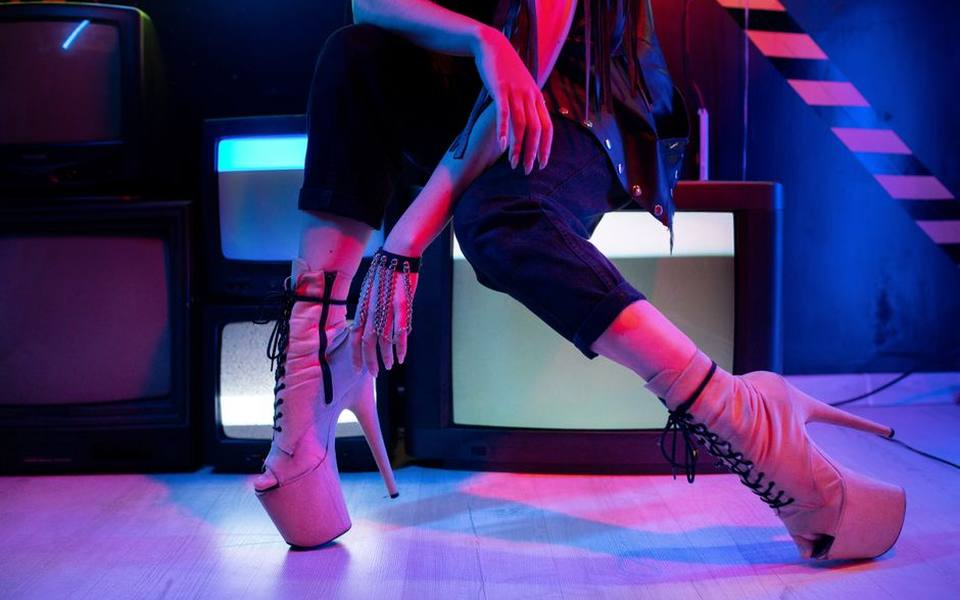
Jewelry should be oversized, geometric, and proudly ostentatious to match the energy of the decade. Scour glass display cases for enameled medallions on heavy link chains, wide cuff bracelets, and oversized hoop earrings in high-shine gold or brass tones. Men's gold-tone link chains and open collar jewelry are readily available in secondhand variety trays, adding immediate swagger to unbuttoned polyester shirts.
Do not overlook retro tinted sunglasses, which were worn indoors just as commonly as outdoors during the late seventies club boom. Oversized square or aviator frames with amber, rose, or gradient lenses frequently land in thrift store sunglass carousels. Adding a pair of gradient aviators instantly pulls together 70s disco outfits, giving an authentic VIP lounge impression for negligible expense.
Nailing 1980s Streetwear and Pop Culture Costumes
The 1980s was an era of extreme proportions, clashing patterns, and unapologetic attitude, making it exceptionally fun to assemble from secondhand bins. When hunting for 80's themed costumes, look beyond the tired neon tutu trope and explore genuine trends like power suiting, aerobics gear, and hair-metal street style. An oversized blazer with prominent built-in shoulder pads paired with acid-wash jeans produces an unmistakable silhouette instantly.
Windbreakers made from lightweight crinkle nylon are among the easiest 1980s garments to locate in modern thrift racks. Bold geometric color-blocking in combinations of teal, magenta, purple, and electric yellow regularly appears in athletic outer layers. Combining a bright nylon shell with tapered track pants or stone-washed denim creates an instantly recognizable costume that keeps you comfortable in cooler outdoor settings.
For a rock-and-roll or punk club aesthetic, search leather jackets, band graphic tees, and distressed denim vests. Specialty shops or secondhand craft and specialty stores often carry odd patches, studs, and heavy metal pins that can be applied to plain secondhand denim jackets, giving you an authentic DIY aesthetic straight out of eighties underground subcultures.
Layering Techniques for Eighties Casual and Glam
Layering was the secret weapon of eighties casual wear, turning simple basics into loud fashion statements. Leggings paired with oversized sweatshirts that have intentionally cut-out boat necklines capture the iconic dancewear phenomenon popularized by vintage workout tapes. Add slouchy knit leg warmers, scrunchies, and white high-top sneakers, all of which are staples on modern secondhand athletic racks.
If your party calls for evening glam, look for cocktail dresses featuring ruching, asymmetric one-shoulder cuts, taffeta ruffles, and heavy sequins. Black velvet dresses with contrasting jewel-toned satin accents were ubiquitous at late eighties proms and banquets and can frequently be rescued from the formalwear racks for modest prices, needing only a pair of textured fishnet tights to complete the look.
Hairstyling and accessories tie the eighties look together faster than almost any other era. Wide elastic waist belts with oversized geometric buckles, fingerless lace gloves, and chunky neon plastic earrings provide distinct visual cues. Teasing your hair, dusting off cans of hairspray, and applying saturated blush along the cheekbones provides that final punch of retro energy.
Gathering Renaissance Faire Garb from Modern Racks
Historical festivals require a rustic, timeless aesthetic that many shoppers assume requires expensive specialty leatherwork or custom seamstress orders. In reality, you can build impressive renaissance faire garb by raiding the women's linen, sleepwear, and blouse sections. Flowing peasant tops, poet shirts with ruffled cuffs, and drawstring off-the-shoulder blouses from modern bohemian fashion cycles make fantastic base chemises.

For skirts, search for tiered cotton maxi skirts, linen circle skirts, or heavy wool plaids that can be layered on top of each other. Wearing two skirts of contrasting earthy colors allows you to hike the top layer into your belt on one or both sides, creating a dynamic working-class or tavern-keeper look while exposing a contrasting underskirt.
Vests and bodices supply the necessary structure to anchor loose festival garments. Sift through women's outerwear and accessory racks for leather vests, suede waistcoats, or structured corset tops. If you are browsing stores in regions like thrift shops across Texas where Western wear is abundant, you can regularly find genuine lace-up leather vests that blend smoothly into rustic historical settings with minimal adjustment.
Inspecting Vintage Fabrics and Making Quick Alterations
Before bringing your vintage finds to the register, take three minutes to inspect seams, hardware, and fabrics under good lighting. Older synthetic fabrics like polyester and nylon are remarkably resilient, but vintage silks, rayons, and delicate knits can develop dry rot or moth nibbles. Gently pull along high-stress points like underarms, back zips, and crotch seams to ensure the fabric remains supple and threads do not snap.
Do not walk away from an otherwise perfect garment simply because it requires minor fitting adjustments or hem shortening. Hem tape, fabric glue, and safety pins can temporarily modify a dress length or cinch an oversized waist without permanent alterations or sewing machines. If a garment shows faint storage stains, keep in mind that gentle soaks in oxygen-based cleaners often lift decades of closet dust effortlessly.
Once your event has passed, your thrifty creation does not need to languish in storage until next year. Versatile pieces like slip dresses, tweed vests, leather belts, and boots easily integrate into your everyday wardrobe. Alternatively, you can return items you won't wear again to thrift stores accepting community donations, allowing the next partygoer to discover and reimagine your pieces for their own creative night out.
Shopping Tips for Finding Specific Era Clothing
Finding the right pieces for specific theme parties requires looking past general clothing rack labels and checking unconventional departments. For example, men seeking ruffled poet shirts or fluid 70s disco shirts frequently find better options in women's oversized blouse sections. Similarly, women seeking boxy 80s blazers or tweed vests will often uncover superior cuts in the men's suit separates department.
Timing your shopping trips strategically will yield significantly better costume options. Thrift stores tend to receive high donation volumes over weekends, making Tuesday through Thursday ideal times to browse newly processed racks before other shoppers pick them over. Exploring locations in creative cultural hubs, such as thrift locations throughout California, often produces an abundance of eclectic garments from past film productions and arts communities.
Keep an open mind regarding color and silhouette instead of searching for an exact carbon copy of a movie costume. Historical and retro party outfits work best when they capture the mood, proportions, and textures of an era rather than attempting museum-grade replication. Trusting your creative instincts will make the treasure hunt enjoyable and ensure your completed look stands out in any crowd.
Published 2026-09-22 · reviewed with each rebuild, last September 2026.
Find thrift stores near you
The directory lists 20,630 thrift stores by state and city — pick your state or use the “Near me” button in the header.
More guides
-
 Buying
Wedding Attire Resale and Pricing Guide
-
 Buying
The Complete Guide to Sourcing and Reselling Pre-Owned Bridal and Formal Dresses
-
 Buying
Finding and Styling Vintage Holiday Sweaters and Retro Costumes
-
 Money
MoneyTurning Your Closet Cleanout Into Extra Funds
-
 Money
MoneyHow to Value and Sell Vintage Baseball Cards
-
 Buying
Sourcing Budget-Friendly Apparel and Vintage Wardrobe Staples
-
 Owning
How to Donate and Recycle Used Furniture, Clothes, and Textiles
-
 Money
MoneyValuing and Selling Used Vinyl Records and VHS Tapes
-
 Buying
Finding and Valuing Used Books, Comics, and Collectible Media
-
 Buying
Thrift Stores vs Flea Markets: A Guide to Secondhand Shopping and Resale Sourcing
-
 Money
MoneyEvaluating Vintage Costume Jewelry and Silverware
-
 Buying
Ultimate Guide to Flea Markets and Swap Meets Across the US
-
 Buying
Major Charity Thrift Stores: Salvation Army, Goodwill, and St. Vincent de Paul Guide
-
 Buying
Mid-Century Modern Furniture and Antique Malls: Buying and Identification Guide
-
 Buying
Smart Budget Fashion: Navigating Sales, Resale Outlets, and Cheap Clothing Stores
-
 Buying
Ultimate Flea Market and Swap Meet Guide: Regional Hubs, Picking Secrets, and Fair Bargaining
-
 Service
Charity Furniture Pick-Up & Donation Guide: Goodwill, Salvation Army & Local Drop-Offs
-
 Buying
Antique Mall Treasure Hunting: Valuing Vintage Pyrex, Gold Mirrors, and Collectibles