Figuring Out Where to Start
Figuring out if older decorative pieces have value comes down to identifying materials, recognizing maker's marks, and assessing the overall condition of the item. While mass-produced goods hold little monetary weight, certain older brooches and dining sets can be surprisingly valuable. The first step is always to look closely at the construction and search for any stamped text hidden on the back.
When people wonder if older costume pieces carry real value, the answer usually depends on the era they were produced and the craftsmanship quality. Pieces from the mid-twentieth century featuring intricate metalwork and high-quality glass stones often attract collectors. Finding these hidden gems requires patience and a good eye for detail, especially when sorting through mixed boxes of donated goods.
A jeweler's loupe is an absolutely essential tool for this evaluation process. Many signatures, copyright symbols, and material stamps are incredibly small and often worn down from heavy use. If you enjoy hunting for these pieces, exploring thrift stores in California can yield a wide variety of estates and collections, offering plenty of opportunities to practice identifying authentic vintage items.
Identifying Quality Craftsmanship in Accessories
Evaluating older costume pieces starts with feeling the weight and examining how the stones are set into the metal. High-quality manufacturing typically involves prong-set stones, where tiny pieces of metal fold over the glass to hold it securely. If the stones are simply glued in and the metal feels flimsy, the piece is generally a modern item with lower potential value.
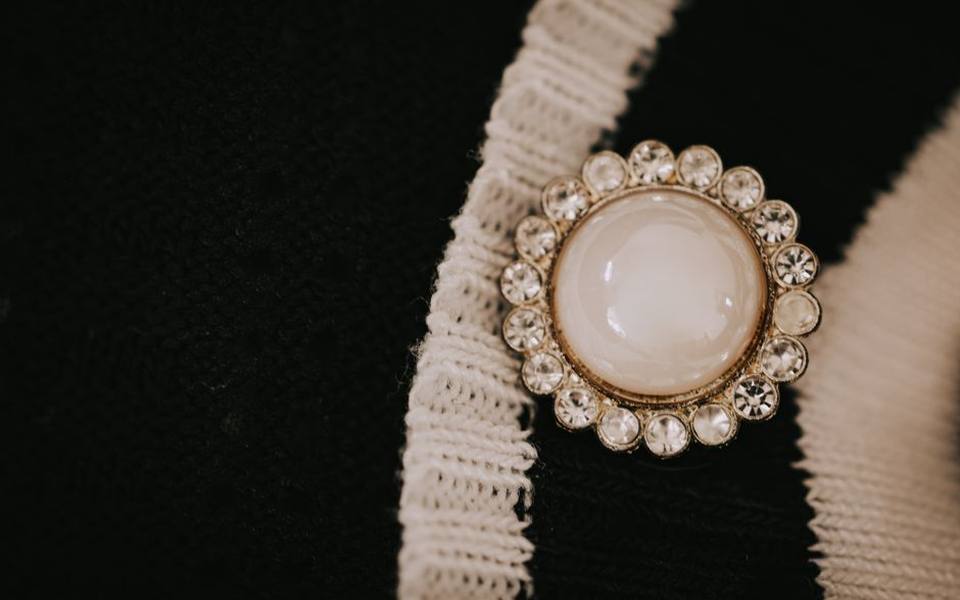
The back of a brooch or necklace can tell you just as much as the front of the piece. Look for solid construction, smooth plating, and complex clasp mechanisms. Older pins often feature a specific type of locking clasp that differs significantly from modern safety pins. A signature or copyright symbol next to a maker's mark usually indicates a higher tier of production designed for longevity.
It is helpful to pay attention to the colors and shapes of the glass stones used in the design. Unusual color combinations, frosted glass, or intricately cut rhinestones often point to a desirable era of manufacturing. Browsing through thrift stores in New York often reveals pieces with these unique characteristics, as older urban areas have a rich history of accessory production.
Telling Solid Silver Apart from Plated Sets
Determining if your dining sets hold monetary weight usually hinges on whether the items are solid sterling silver or simply silver-plated. Sterling silver pieces are made of mostly pure silver and retain inherent material value. Silver-plated items feature a microscopically thin layer of silver over a base metal like copper or brass, meaning their material value is practically nonexistent.
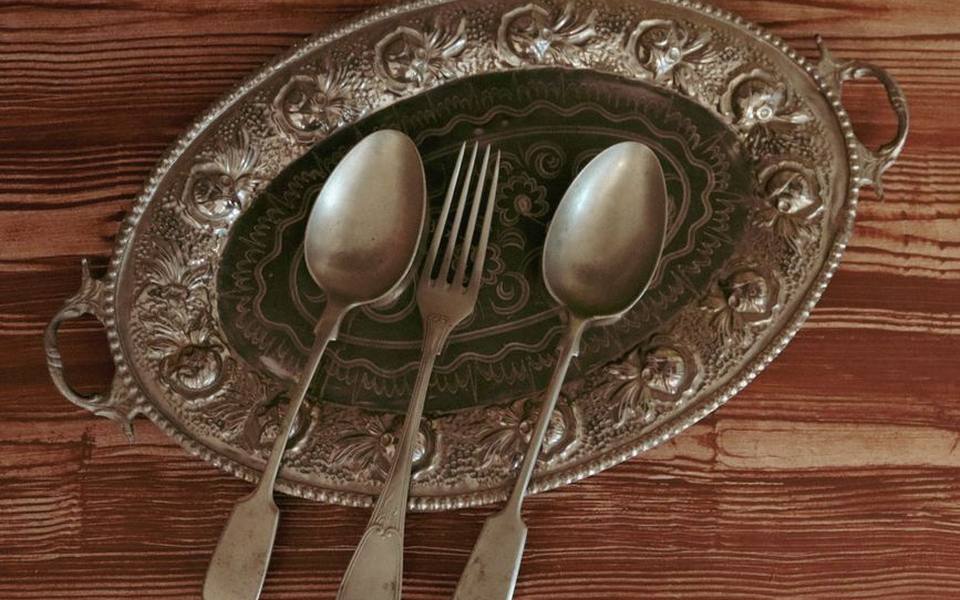
To clearly tell the difference, you must closely examine the back of the handles. Solid pieces are typically stamped with the word "Sterling" or the number "925," indicating the exact purity level. Stamps like "EPNS" or "A1" mean you are looking at an electroplated piece. While rare plated patterns might appeal to specific collectors, most plated sets hold only basic utilitarian value.
Another quick test involves using a strong earth magnet. Precious metals like silver and gold are completely non-magnetic. If the magnet sticks strongly to your spoon or fork, it is definitely a base metal core. When searching for complete sets, checking thrift stores in Texas can be a practical way to find both plated everyday sets and occasionally overlooked sterling pieces in bulk bins.
Looking Closely at Glass Storage Containers
People hunting for dining sets often come across older glassware and storage containers in the process. A common question arises regarding whether older glass storage jars possess any actual worth. Much like jewelry and silver, the value of these jars relies heavily on their age, color, and specific embossed logos. Common clear jars from recent decades generally hold very little value.
However, older jars manufactured in unusual colors such as deep amber, cobalt blue, or certain shades of olive green can consistently attract collectors. The manufacturing method also provides solid clues about age; older jars often have noticeable air bubbles trapped inside and slightly uneven glass bases. Text styling and subtle misspellings in the embossed brand names can also indicate a specific production run.
Condition remains a significant factor for glassware. A jar with a pristine original lid and no chips around the rim will always be more desirable than one with cracks. You might find a mix of functional antiques alongside newer kitchen items at second-hand craft, music, and specialty stores, where unique home goods are frequently organized by era or style.
Preserving Condition and Building Your Skills
The physical condition of an item can drastically alter its evaluation, sometimes even more than the maker's mark itself. For costume pieces, missing stones, heavily worn plating, or broken clasps can render a piece virtually worthless. The cost of professional repair usually exceeds the item's potential value. Similarly, silverware with deep scratches or bent tines is generally considered damaged goods.
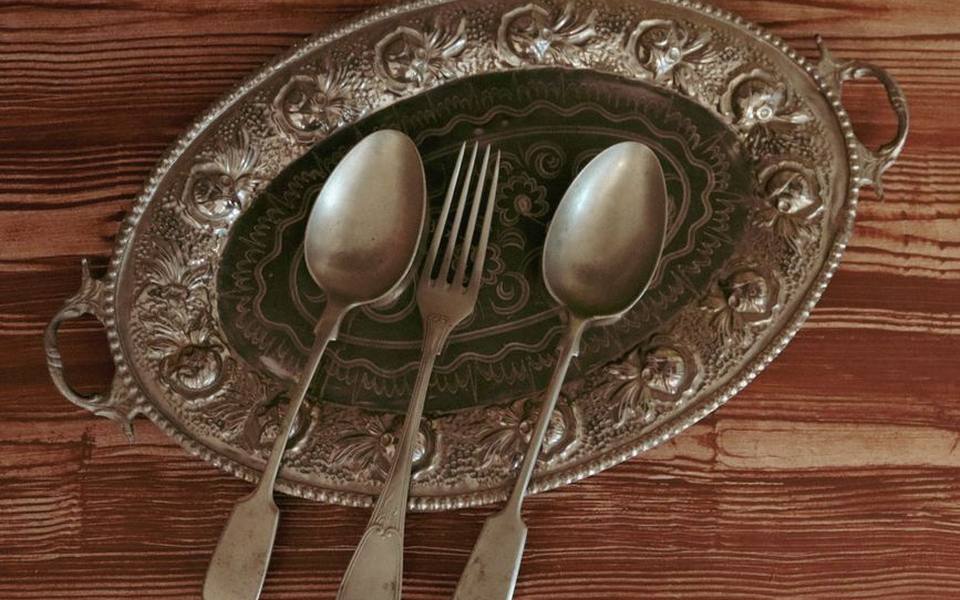
Cleaning these older items requires extreme caution and a gentle touch. Aggressively polishing older metal or dipping rhinestone pieces in harsh liquid cleaners can instantly strip the protective foil backing off glass stones. For silver, over-polishing can remove the natural dark patina that highlights intricate details, making the piece look flat. It is generally best to gently wipe items with a dry cloth.
Building your identification skills takes practice, and exploring local shops is one of the most effective ways to study these items up close. Our directory currently features 11,315 listings in top states, providing ample locations to browse through mixed bins. Items found at thrift stores accepting donations often arrive untouched, giving you the perfect opportunity to practice inspecting clasps, hallmarks, and materials in their original state.
Published 2026-09-20 · reviewed with each rebuild, last September 2026.
Find thrift stores near you
The directory lists 20,630 thrift stores by state and city — pick your state or use the “Near me” button in the header.
More guides
-
 Buying
Wedding Attire Resale and Pricing Guide
-
 Buying
The Complete Guide to Sourcing and Reselling Pre-Owned Bridal and Formal Dresses
-
 Buying
Finding and Styling Vintage Holiday Sweaters and Retro Costumes
-
 Money
MoneyTurning Your Closet Cleanout Into Extra Funds
-
 Money
MoneyHow to Value and Sell Vintage Baseball Cards
-
 Buying
Sourcing Budget-Friendly Apparel and Vintage Wardrobe Staples
-
 Owning
How to Donate and Recycle Used Furniture, Clothes, and Textiles
-
 Money
MoneyValuing and Selling Used Vinyl Records and VHS Tapes
-
 Buying
Finding and Valuing Used Books, Comics, and Collectible Media
-
 Buying
Thrift Stores vs Flea Markets: A Guide to Secondhand Shopping and Resale Sourcing
-
 Buying
Ultimate Guide to Flea Markets and Swap Meets Across the US
-
 Buying
Major Charity Thrift Stores: Salvation Army, Goodwill, and St. Vincent de Paul Guide
-
 Buying
Mid-Century Modern Furniture and Antique Malls: Buying and Identification Guide
-
 Buying
Smart Budget Fashion: Navigating Sales, Resale Outlets, and Cheap Clothing Stores
-
 Buying
Ultimate Flea Market and Swap Meet Guide: Regional Hubs, Picking Secrets, and Fair Bargaining
-
 Service
Charity Furniture Pick-Up & Donation Guide: Goodwill, Salvation Army & Local Drop-Offs
-
 Buying
Thrifting Vintage Party Outfits: 1920s Flapper, 70s Disco, and 80s Ensembles
-
 Buying
Antique Mall Treasure Hunting: Valuing Vintage Pyrex, Gold Mirrors, and Collectibles