Building a foundation with vintage staples
Sourcing budget-friendly apparel starts with knowing how to spot quality materials. When you want timeless pieces like classic denim or authentic concert shirts, local secondhand shops usually hold the best inventory. You can often uncover durable vintage jeans and well-worn graphic tees by visiting neighborhood charity shops. If you happen to be exploring thrift stores in California, you will find a massive variety of clothing options across numerous locations.
Finding older, high-quality denim requires patience. Vintage jeans usually run smaller than modern sizes, so you typically need to try them on or measure the waist flat. Look for stiff cotton fabric and reinforced stitching, which often indicate a garment built to last. Many shoppers prefer tracking down these older styles because the denim tends to be much more durable than contemporary stretch blends.
Concert and tour shirts are another staple that people frequently look for on a budget. Authentic older shirts usually feature single-stitch hems and tags from defunct manufacturers. While you can find these items online, browsing local racks allows you to feel the fabric and check for dry rot. Hunting for these pieces in person is generally more rewarding and budget-friendly than buying from specialized boutique resellers.
Staying warm without overspending
Finding outerwear that withstands freezing temperatures does not mean you have to drain your bank account. The most affordable winter jackets are often sitting right on the racks of secondhand shops during the off-season. When shopping for heavy layers, prioritize materials like wool, down, and thick fleece over thin polyester. A well-constructed older coat will typically keep you much warmer than a cheaply made new one.
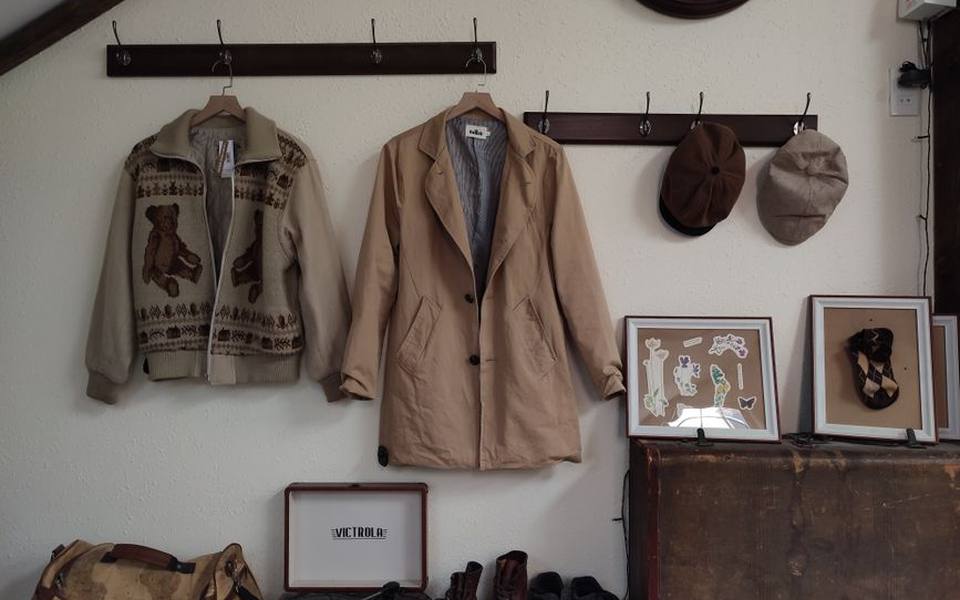
Inspecting the hardware is a critical step when evaluating an inexpensive winter coat. Always check that the main zipper slides smoothly and that snaps are securely attached. Replacing a broken zipper can sometimes cost more than the jacket itself, depending on the tailor. You should also check the pockets for holes and ensure the inner lining is intact, as these are common wear points.
Timing your search can significantly impact the selection and pricing of cold-weather gear. While it makes sense to look for heavy jackets in late autumn, you can usually find the best deals by shopping in the spring. Many shops lower prices to clear out winter inventory, giving you a chance to secure high-quality thermal layers for a fraction of their original cost.
The versatility and purpose of flannel
The term flannel refers to a soft, woven fabric typically made from wool or cotton, rather than the plaid pattern itself. This material is brushed to create a fuzzy texture that traps heat, making it an ideal layer for cooler weather. Heavyweight cotton flannels are incredibly durable and can often be found in abundance at local secondhand stores. They offer a practical way to add warmth without unnecessary bulk.
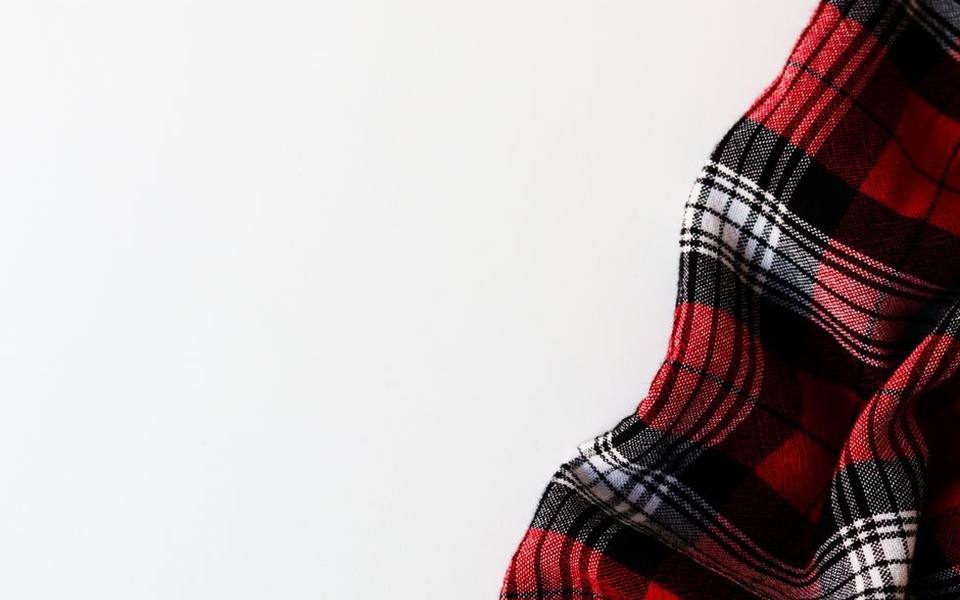
Styling these shirts is straightforward, as they easily transition between different types of casual wear. You can wear a thick flannel unbuttoned over a simple t-shirt for a relaxed look, or button it up under a canvas jacket for extra insulation. They pair naturally with work pants, vintage denim, and sturdy boots. Because they come in various weights, it is easy to find one that complements your existing wardrobe.
If you come across older flannel shirts that are too damaged to wear, they still have plenty of practical uses. The absorbent nature of the brushed fabric makes them excellent for cutting up into shop rags or cleaning cloths. Some people also repurpose the material for patching up other worn-out garments. Giving a damaged shirt a second life is a simple way to reduce household waste.
Tracking down durable footwear
Quality leather footwear is famously expensive brand new, making the used market an attractive alternative. Shoppers frequently look for durable work boots or traditional western styles that have already been broken in. Heavy leather takes time to mold to a foot, so buying a gently used pair can save you from a painful break-in period. You can often find these sturdy options at regional stores, such as thrift stores in Texas.
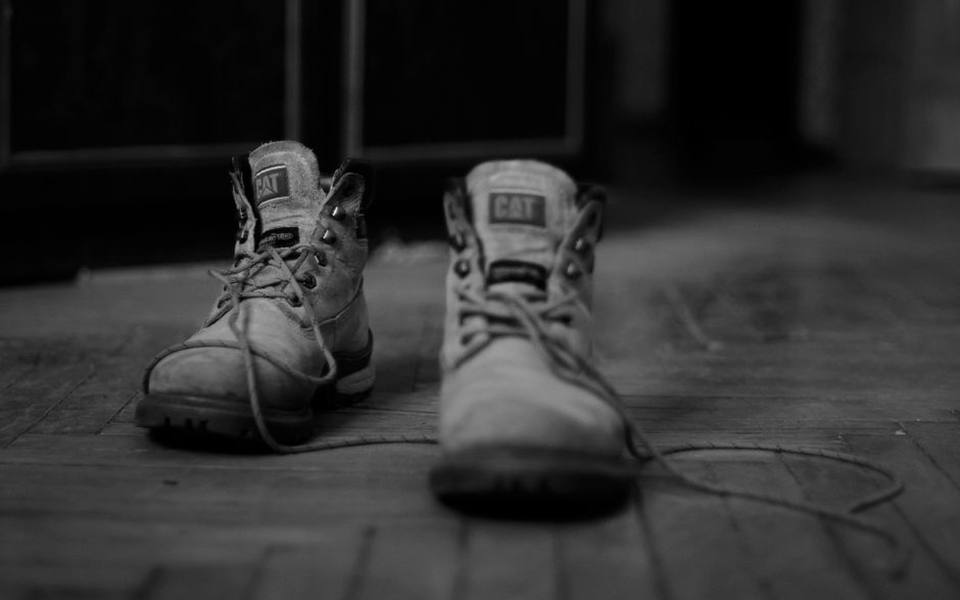
When inspecting used boots, the condition of the sole is just as important as the leather upper. Look for even wear across the heel and ball of the foot, as unevenly worn soles can cause discomfort. While a resole is an option for stitched boots, it adds to the overall cost. The leather itself should be free of deep cracks, though minor scuffs can usually be conditioned.
Heavy-duty leather shoes with thick rubber soles also appear regularly in the secondhand market. The original cost of these iconic chunky boots can be quite high, depending on the specific model and manufacturing origin. Buying them used allows you to get that recognizable silhouette and durability at a much lower price point. Just ensure the rubber soles have not hardened or split from age before you purchase.
Expanding your search strategies
If your neighborhood shops are coming up empty, broadening your search area can yield better results. Directories track over 11315 listings in top states, meaning there is a massive network of shops waiting to be explored. By mapping out locations like thrift stores in Florida, you might stumble upon racks filled with well-preserved classic apparel that you would not easily find in a bustling college town.
Exploring the internet is another practical method when you need something specific and cannot find it locally. Many independent sellers offer vast selections of affordable used clothing, allowing you to filter by size and material. While you lose the ability to try things on, asking the seller for flat measurements helps ensure a good fit. This approach is especially useful for tracking down a particular style of winter coat.
Keep an eye out for diverse businesses that carry clothing alongside other goods. Places that focus on household items sometimes have unique vintage apparel. Some secondhand craft and specialty stores occasionally feature curated selections of retro garments. Additionally, stores offering furniture pickup might also take clothing donations, meaning their inventory is constantly refreshing with items from local estates, keeping secondhand items available for savvy shoppers.
Published 2026-09-20 · reviewed with each rebuild, last September 2026.
Find thrift stores near you
The directory lists 20,630 thrift stores by state and city — pick your state or use the “Near me” button in the header.
More guides
-
 Buying
Wedding Attire Resale and Pricing Guide
-
 Buying
The Complete Guide to Sourcing and Reselling Pre-Owned Bridal and Formal Dresses
-
 Buying
Finding and Styling Vintage Holiday Sweaters and Retro Costumes
-
 Money
MoneyTurning Your Closet Cleanout Into Extra Funds
-
 Money
MoneyHow to Value and Sell Vintage Baseball Cards
-
 Owning
How to Donate and Recycle Used Furniture, Clothes, and Textiles
-
 Money
MoneyValuing and Selling Used Vinyl Records and VHS Tapes
-
 Buying
Finding and Valuing Used Books, Comics, and Collectible Media
-
 Buying
Thrift Stores vs Flea Markets: A Guide to Secondhand Shopping and Resale Sourcing
-
 Money
MoneyEvaluating Vintage Costume Jewelry and Silverware
-
 Buying
Ultimate Guide to Flea Markets and Swap Meets Across the US
-
 Buying
Major Charity Thrift Stores: Salvation Army, Goodwill, and St. Vincent de Paul Guide
-
 Buying
Mid-Century Modern Furniture and Antique Malls: Buying and Identification Guide
-
 Buying
Smart Budget Fashion: Navigating Sales, Resale Outlets, and Cheap Clothing Stores
-
 Buying
Ultimate Flea Market and Swap Meet Guide: Regional Hubs, Picking Secrets, and Fair Bargaining
-
 Service
Charity Furniture Pick-Up & Donation Guide: Goodwill, Salvation Army & Local Drop-Offs
-
 Buying
Thrifting Vintage Party Outfits: 1920s Flapper, 70s Disco, and 80s Ensembles
-
 Buying
Antique Mall Treasure Hunting: Valuing Vintage Pyrex, Gold Mirrors, and Collectibles