Navigating the Aisles of Sprawling Antique Malls
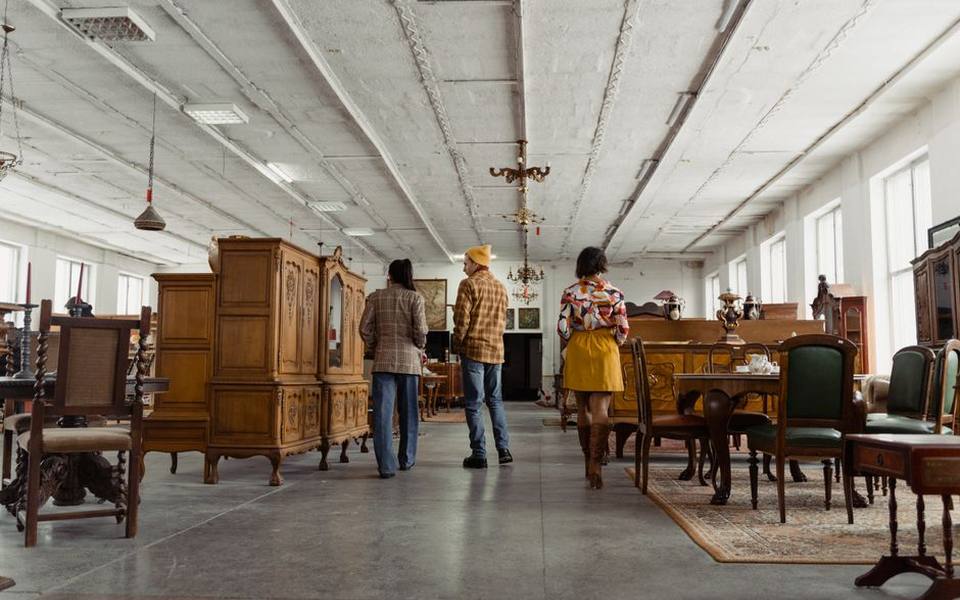
Walking into a multi-dealer antique mall can easily overwhelm even an experienced thrifter. Unlike standard thrift stores where stock is sorted into generic rows of apparel or housewares, an antique cooperative hosts dozens or hundreds of independent vendor stalls under a single roof. Landmark regional destinations like a bustling Columbus antiques mall, sprawling Midwestern co-ops, or historic spots such as the Monticello antique mall gather distinct curation styles from eclectic mid-century enthusiasts to primitive country pickers.
To make the most of your visit, plan to make two complete passes through the venue. Your initial lap should be a broad scan, training your eyes to spot genuine age markers, distinctive silhouettes, and authentic materials while skipping over reproduction kitsch. A second pass allows you to dig through crowded corners, inspect glass display cabinets, and look underneath tables where dealers often stash oversized overflow stock.
Keep in mind that dealers frequently restock late in the week to prepare for Saturday foot traffic. Arriving on a Friday morning or early on a weekday gives you first dibs on fresh arrivals before weekend crowds pick through the booths. Always carry a measuring tape, a pocket LED flashlight, and a small magnifying loupe to inspect stamps and hallmarks without needing to ask staff to unlock every single showcase immediately.
Identifying and Valuing Rare Vintage Pyrex Bowls
Few items draw vintage kitchenware enthusiasts quite like colorful vintage Pyrex bowls. Produced for decades in vibrant milk glass finishes, these mixing sets and casserole dishes have transformed from everyday utilitarian kitchen basics into sought-after design centerpieces. Valuing these pieces starts with identifying the specific pattern and checking the bottom stamp for the trademark raised glass logo, model number, and manufacturing origin.
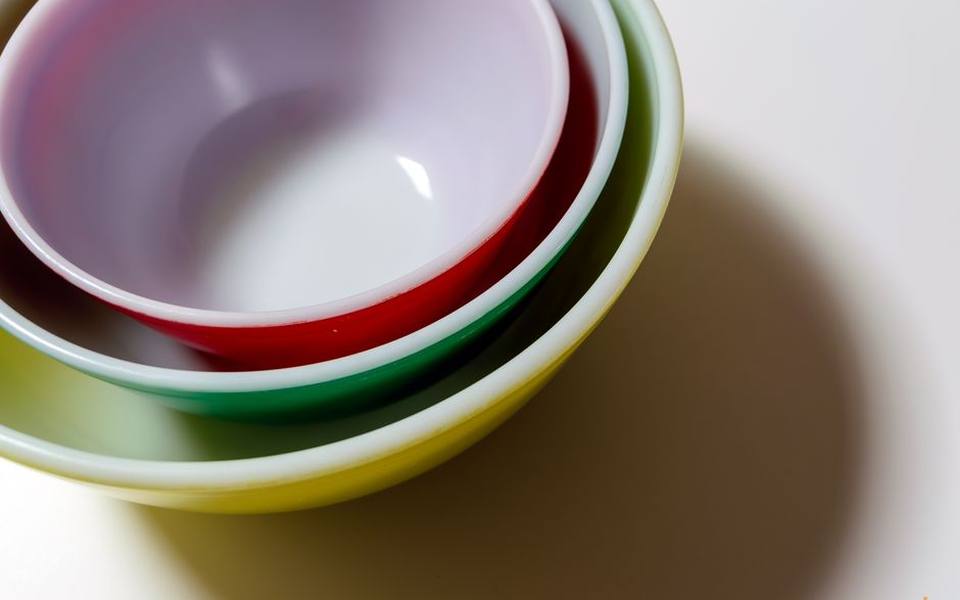
Condition plays an enormous role in determining true collectible worth. Serious buyers look closely for dishwasher damage, which dulls the glossy exterior enamel into a chalky, matte finish that significantly reduces the piece's desirability. Surface scratches from metal beaters, small rim chips, and faded printed motifs can drop resale value considerably. In contrast, pristine nested sets in rare promotional prints like Lucky in Love, Butterprint, or Pink Gooseberry command significant interest.
When browsing regional emporiums such as the Riverside Centre antique mall or neighborhood flea markets, look beyond the primary glass display cases. Dealers sometimes place individual, pattern-matching nesting bowls under low shelving units or mixed into unmarked kitchenware bundles. If you discover an incomplete set at a fair price, purchasing individual bowls over time remains one of the most rewarding ways to assemble a full vintage collection.
Selecting Authentic Vintage Gilded and Ornate Gold Mirrors
Finding an authentic mirror in vintage gold can transform an entryway or living room with warm historic character. True antique and mid-century mirrors feature distinct framing materials, ranging from hand-carved wood layered with genuine gold leaf to heavy cast plaster, gesso, and solid brass. Examining the backside often reveals the item's true construction history, showing aged wood backboards, oxidized nails, and vintage framer labels.
Be careful not to mistake modern resin and molded polyurethane frames for genuine vintage pieces. Modern reproductions are lightweight, display uniform yellow paint rather than rich aged leafing, and often feature hollow backs with stamped barcodes or plastic hanging brackets. Genuine plaster-over-wood frames will show subtle hairline crazing, occasional chips revealing white gypsum underneath, and a natural patina where darker base clay tones show through high-friction corners.
When sourcing large statement wall hangings, explore thrift stores with furniture sections alongside dedicated antique stalls. Transporting heavy glass requires careful planning, so always measure your vehicle's cargo clearance before purchasing. Authentic antique glass will frequently display charming silvering loss, gentle cloudiness, or subtle beveled edges that modern glass fabrication methods rarely replicate.
Evaluating Vintage Silverplate Flatware and Cutlery
Baskets and velvet-lined chests filled with vintage silverplate flatware are staple fixtures in nearly every antique showroom. While inexperienced shoppers often pass these tarnished bundles by, smart collectors know how to differentiate disposable plated table settings from desirable patterns produced by heritage silversmiths. Plated items feature a base metal core coated with a thin layer of fine silver, providing the luxurious appearance of heirloom dining pieces at a fraction of the cost.
Understanding hallmarks is essential when sorting through loose bins. Look closely along the back of the handle for manufacturer marks indicating electroplating, such as EPNS, Quadruple Plate, or Community Silver. True sterling will almost always be clearly stamped with the word Sterling or 925; lacking these stamps, the item is plated. However, ornate antique silver plate cutlery from notable patterns like Victorian floral motifs or Art Deco geometric lines remains highly collectible for curated dinner parties.
Inspect each piece for base metal bleed, often referred to as brassing, where aggressive polishing or decades of heavy use have worn away the silver layer to reveal yellow brass beneath. Minor tarnish can be easily polished away at home using gentle cream cleaners, but heavy wear through the plating cannot be reversed without costly electroplating baths. Sets with uniform patina and intact plating offer fantastic utility and timeless character for holiday dining tables.
Spotting Ceramic Character in Vintage Cookie Jars
Whimsical kitchen collectibles have enjoyed a massive resurgence, with vintage cookie jars leading the trend among mid-century decor aficionados. Produced throughout the mid-twentieth century by beloved ceramic potteries, these playful containers range from anthropomorphic animals and cartoon figures to whimsical fruits and cottage architecture. A well-preserved jar serves as an instant conversation piece on open kitchen shelving.
Distinguishing authentic mid-century pottery from modern mass-market imports requires a tactile inspection of the clay body and glaze. Original American-made ceramic jars generally feel substantial, featuring thick glazed earthenware and clear incised maker marks on the unglazed bottom foot rim. Reproductions often feel lighter, use thinner ceramic slip, or have overly glossy, synthetic cold-paint applications that wash off under warm water.
Examine the interior rim and inner lid collar with care, as these contact points suffer the highest frequency of chips and hairline cracks from decades of sweet-toothed hands. Jars retaining their original cold-painted details without major paint flaking command higher valuations among dedicated pottery collectors. Even jars with modest repairable base chips can still serve as charming storage accents for retro dining spaces.
Testing and Sourcing a Vintage Record Player
Analog sound enthusiasts know that finding a reliable vintage record player in a second-hand booth requires both technical patience and keen mechanical observation. Unlike modern digital equipment, mid-century turntable systems rely on intricate mechanical assemblies, rubber drive belts, idler wheels, and delicate phono cartridges. Whether you encounter a portable suitcase player or an integrated wood-cabinet stereo console, verifying mechanical health is paramount.
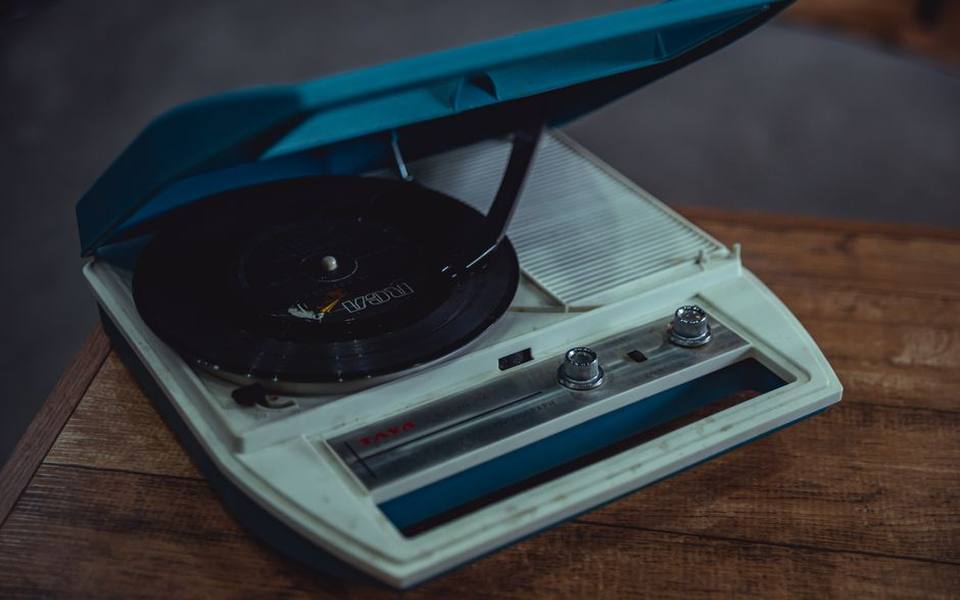
Before agreeing to a purchase, request access to a wall outlet from the mall staff to test power delivery. Check if the platter spins smoothly without wobbling, rumbling, or squeaking. Inspect the tonearm assembly to confirm that the counterweight adjusts freely and that the cartridge headshell retains its delicate wiring intact. Avoid playing rare vinyl records on an untested needle, as a worn diamond or sapphire stylus can permanently damage vinyl record grooves.
You can find exceptional vintage turntables, receivers, and stereo speakers by checking second-hand craft, music, and specialty stores throughout your area. If the turntable motor runs but the platter fails to turn, the issue is typically a degraded rubber belt that can be inexpensively replaced. However, heavy hums through the audio output often signal failing capacitors inside the preamp, requiring skilled bench repair.
Curating Memorable White Elephant and Quirky Christmas Gifts
When holiday festivities arrive, picking up predictable novelty items from big-box retailers feels uninspired compared to uncovering genuine oddities at an antique mall. If you need memorable white elephant gifts for an upcoming family gathering or workplace exchange, vintage dealer booths offer endless quirky surprises. From eccentric 1970s needlepoint wall hangings to kitschy retro barware, second-hand stalls are treasure troves of singular gifts.
Shopping for a clever gag gift for xmas takes on a whole new dimension when you source authentic retro oddities. Consider tracking down offbeat 1980s diet cookbooks, bizarre porcelain animal figurines with human expressions, or vintage novelty desk toys that once populated executive offices. These authentic conversation starters bring genuine laughter while serving as charming historical artifacts rather than landfill-bound disposable plastic trinkets.
The secret to a successful gag gift is choosing an item that possesses genuine craft or vintage aesthetic merit beneath its initial humor. An odd mid-century fondue set or a brightly patterned disco-era fondue fork caddy might provoke smiles initially, but the recipient can actually use and enjoy it long after the holiday party concludes. Browse corner booths and mixed utility shelves for unexpected holiday party hits.
Inspecting Metalware and Silver Plated Silverware Markings
Delving deeper into metal collectibles requires a sharp eye for maker marks, especially when examining vintage silver plated silverware sets. While solid sterling remains the crown jewel for precious metal investors, high-end electroplated table services offer immense decorative elegance. Recognizing maker stamps helps you spot early production pieces made by historic American and European silversmiths.
Look for prominent maker stamps along the shank or reverse shoulder of spoons and forks. Established manufacturers stamped specific line names, design patent dates, or crest marks indicating their top-tier plating grades. Pieces designated as triple or quadruple plate received thicker coats of fine silver during industrial manufacturing, allowing them to survive generations of regular entertaining with minimal plating loss.
Before checking out, assess whether a collection includes rare serving implements such as pierced pastry servers, berry spoons, master butter knives, and gravy ladles. These specialty service pieces are far harder to locate than basic dinner forks and salad spoons, significantly elevating the aggregate value of a boxed canteen. Check local thrift stores accepting donations as well, where complete sets occasionally slip onto the sales floor in unmarked wooden presentation boxes.
Negotiating Dealer Prices and Securing Transportation
While antique malls operate centralized cash registers staffed by venue employees, price tags are not always carved in stone. Most antique mall management agreements permit staff to grant modest discounts, typically around ten percent, on items tagged over a designated threshold if the customer asks politely. For higher-priced collectibles or multiple items from the same dealer stall, front-desk staff can often telephone the dealer directly to negotiate an agreeable price.
Inspect high-ticket items thoroughly for hidden flaws before opening negotiations. Pointing out legitimate condition issues, such as missing hardware, veneer chips on furniture, or hairline glaze fractures, provides a fair basis for a lower offer. Always make reasonable offers rather than lowballing; antique vendors invest substantial time and labor into sourcing inventory and paying monthly booth rental commissions.
Transporting fragile glassware, mirrors, and oversized furniture pieces requires adequate planning. Inquire whether the facility offers short-term hold policies while you arrange a larger vehicle. For oversized furniture finds, learning which regional thrift stores offer furniture pickup or finding local courier transport options can save you the physical strain of hauling heavy mid-century dressers and gilded mirrors home yourself.
Mastering Regional Antique Mall Hunting Across the Country
Antiquing across the United States reveals fascinating regional shifts in collectible availability and pricing. In the Northeast and Mid-Atlantic states, historical farm tables, early American stoneware, and pewter flatware dominate independent booths. Traveling through the Midwest often yields exceptional mid-century glassware, pristine Pyrex sets, and farmhouse primitives sourced directly from rural estate dispersals.
Meanwhile, southern markets are renowned for rich mahogany sideboards, gilded French-style mirrors, and traditional porcelain dinnerware. If you plan picking road trips, mapping regional venues can turn a standard vacation into a rewarding sourcing expedition. You can explore regional directories across all states to locate reputable antique cooperatives, consignment showrooms, and community thrift institutions near your travel route.
Developing a reliable picker's intuition requires regular visits and consistent observation. Over time, you will learn to spot which booth dealers price items to move quickly versus those treating their stalls like permanent private museums. Building friendly relationships with mall floor attendants can also alert you to incoming estate liquidations before the merchandise is even unpacked onto display shelves.
Published 2026-09-22 · reviewed with each rebuild, last September 2026.
Find thrift stores near you
The directory lists 20,630 thrift stores by state and city — pick your state or use the “Near me” button in the header.
More guides
-
 Buying
Wedding Attire Resale and Pricing Guide
-
 Buying
The Complete Guide to Sourcing and Reselling Pre-Owned Bridal and Formal Dresses
-
 Buying
Finding and Styling Vintage Holiday Sweaters and Retro Costumes
-
 Money
MoneyTurning Your Closet Cleanout Into Extra Funds
-
 Money
MoneyHow to Value and Sell Vintage Baseball Cards
-
 Buying
Sourcing Budget-Friendly Apparel and Vintage Wardrobe Staples
-
 Owning
How to Donate and Recycle Used Furniture, Clothes, and Textiles
-
 Money
MoneyValuing and Selling Used Vinyl Records and VHS Tapes
-
 Buying
Finding and Valuing Used Books, Comics, and Collectible Media
-
 Buying
Thrift Stores vs Flea Markets: A Guide to Secondhand Shopping and Resale Sourcing
-
 Money
MoneyEvaluating Vintage Costume Jewelry and Silverware
-
 Buying
Ultimate Guide to Flea Markets and Swap Meets Across the US
-
 Buying
Major Charity Thrift Stores: Salvation Army, Goodwill, and St. Vincent de Paul Guide
-
 Buying
Mid-Century Modern Furniture and Antique Malls: Buying and Identification Guide
-
 Buying
Smart Budget Fashion: Navigating Sales, Resale Outlets, and Cheap Clothing Stores
-
 Buying
Ultimate Flea Market and Swap Meet Guide: Regional Hubs, Picking Secrets, and Fair Bargaining
-
 Service
Charity Furniture Pick-Up & Donation Guide: Goodwill, Salvation Army & Local Drop-Offs
-
 Buying
Thrifting Vintage Party Outfits: 1920s Flapper, 70s Disco, and 80s Ensembles