The Landscape of American Swap Meets and Flea Markets
Walking into an open-air flea market gives you immediate access to decades of household history, industrial salvage, and regional oddities. Unlike traditional brick-and-mortar storefronts, these open fields and covered pavilions bring together hundreds of independent dealers, hobbyists, and estate liquidators in one dynamic marketplace. Finding a bustling flea market close to me typically begins with checking county fairgrounds, drive-in theaters, and civic centers that transform every weekend into vibrant barter centers.
The swap meet ecosystem ranges from historic weekend-long rural spectacles spanning hundreds of acres to tight urban pop-ups specializing in mid-century apparel and collectible vinyl. Every market operates with its own rhythm, weather protocols, and vendor community. Understanding the distinct flavor of your nearest grounds helps you decide whether to pack sturdy work gloves for sifting through rusty tool bins or a canvas tote bag for designer denim.
While community rummage sales often offer small assortments of family hand-me-downs, established regional swap circuits operate on a semi-professional scale. Sellers spend their weekdays clearing barns, bidding on estate auctions, and sorting bulk liquidations specifically to display on market tables come Saturday sunrise. Approaching these grounds with realistic expectations and an eye for hidden quality transforms an overwhelming field into a treasure trove.
Legendary Southern Grounds and the Deep Texas Tradition
In the American South, open-air trading is practically a cultural institution, led by historic weekend rituals that draw tens of thousands of visitors. The undisputed giant of the region is the First Monday Trade Days in Canton, Texas, where trading traditions trace back well over a century. Spread across hundreds of acres of pavilions and open pastures, this massive monthly event brings vendors selling everything from architectural ironwork to handcrafted leather goods, serving as a benchmark for Southern picking.
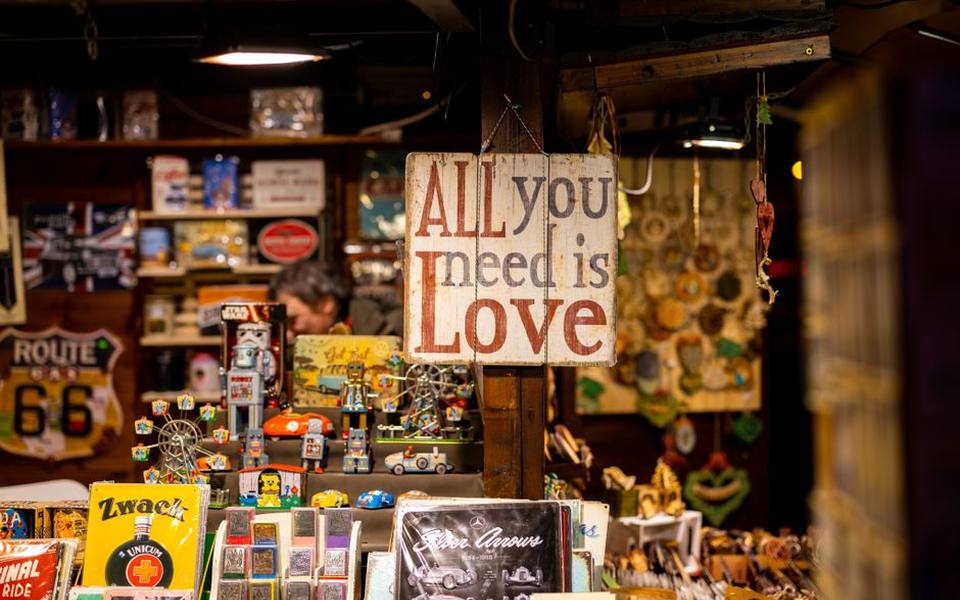
Further south along the Interstate 35 corridor, smaller regional outposts like the bustling Kyle flea market offer a more localized, community-driven atmosphere. These Central Texas grounds serve up a rich blend of traditional ranch gear, folk art, imported pottery, and rustic home decor. Exploring these sprawling lots pairs naturally with checking out regional thrift stores in Texas, where surplus goods from regional estates often circulate between weekend stalls and suburban donation shelves.
Shopping Southern markets requires planning for the elements, particularly the intense heat and expansive footprints of rural showgrounds. Seasoned pickers arrive before the morning humidity peaks, equipped with wide-brim hats, hydration packs, and foldable wagons. The sheer scale means you may walk multiple miles across unpaved turf, making durable boots just as essential as your cash envelope.
Sun Belt Pavilions from Florida Corridors to Coastal Georgia
Heading toward the Atlantic coastline and across Florida, market life shifts into year-round covered pavilions and highway-side trading centers. Popular roadside destinations like the US 1 Metro flea market corridors in South Florida cater to steady local traffic with a blend of fresh produce, household hardware, and vintage finds. Near Orlando's tourism corridor, long-running establishments such as the Visitors flea market provide fully air-conditioned booths where international travelers and local collectors mingle over estate jewelry and pop culture memorabilia.
Further north in Central Florida, Renninger's Twin Markets in Mount Dora represents a major antique hub that anchors the state's vintage calendar. Operating across rolling hills, it blends indoor antique collector booths with sprawling outdoor swap meets that draw pickers from across the continent. Comparing these expansive pavilions with established secondhand circuits in Florida demonstrates how regional estates constantly feed rare coastal salvage and mid-century resort furniture into local booths.
Just across the state line in coastal Georgia, Keller's flea market outside Savannah carries on the traditional country swap format. Operating for decades under massive open timber shelters, it remains a weekend ritual for families looking for estate tools, nautical salvage, and southern country collectibles. These Sun Belt venues offer predictable shade and steady dealer turnarounds, making them reliable stops regardless of seasonal weather shifts.
West Coast Style and Curated City Racks
West Coast markets have redefined the swap meet format over recent decades, blending vintage picker culture with youth street fashion and design curation. In Los Angeles, the famous Silverlake flea market showcases this modern evolution, gathering indie clothing designers, vintage apparel scouts, and vinyl record collectors into compact, high-energy neighborhood grounds. Here, merchandise tends to be closely edited, spotlighting 1990s graphic tees, archival denim, and post-modern home accents.
These curated California urban swaps operate side-by-side with legendary legacy events like the Rose Bowl and Long Beach flea markets, where professional movie set decorators and interior stylists hunt at dawn. Connecting your weekend swap outings with a route through thrift shopping across California gives you a comprehensive view of how West Coast design trends trickle down from high-end dealer stalls to local racks.
Prices at curated West Coast city swaps reflect the dealer labor invested in washing, mending, and styling unique period pieces. While you might not encounter bottom-dollar barn boxes here, you save hours of sorting time because sellers have already filtered out worn modern polyester. If you appreciate specialized twentieth-century design, these city hubs provide incredible inspiration and accessible historical pieces.
Rust Belt Pavilions and Heartland Gathering Places
In the Industrial Midwest and mid-Atlantic states, flea markets lean heavily toward functional history, offering cast-iron cookware, vintage machinery, farm primitives, and Depression-era glassware. The legendary Renninger's location in Kutztown, Pennsylvania, anchors this region with massive tri-annual antique extravaganzas that set national collector benchmarks. Connecting these outdoor trips with visits to antique and thrift shops in Pennsylvania reveals deep reserves of colonial artifacts and sturdy Pennsylvania Dutch craftsmanship.
Further west into Ohio and surrounding states, regional stalwarts like the Miller flea market traditions and expansive Tri-City flea market gatherings serve rural communities with dependable weekend trading. These heartland grounds frequently operate alongside live poultry auctions, farm implement sales, and tailgate swaps. Pickers can dig through authentic barn finds that have remained untouched inside family outbuildings for generations.
Heartland dealers take deep pride in mechanical and functional goods, offering reconditioned hand planes, vintage anvils, and seasoned cast-iron skillets. When browsing these tables, look past superficial surface rust and grime to spot original maker marks, patent stamps, and solid brass components. A little wire brushing and mineral oil can bring hundred-year-old midwestern craftsmanship back into daily kitchen or workshop use.
Exploring the Flavors of International Swap Hubs
Beyond classic antique and vintage picking, major metropolitan centers support large-scale international flea markets that mirror traditional global street bazaars. These vibrant multicultural hubs bring together import merchants, street food vendors, and regional artisans selling goods rarely found in standard domestic retail chains. Walking the aisles exposes you to handcrafted textiles, imported spices, traditional cookware, and artisan leather goods directly from family-run stalls.
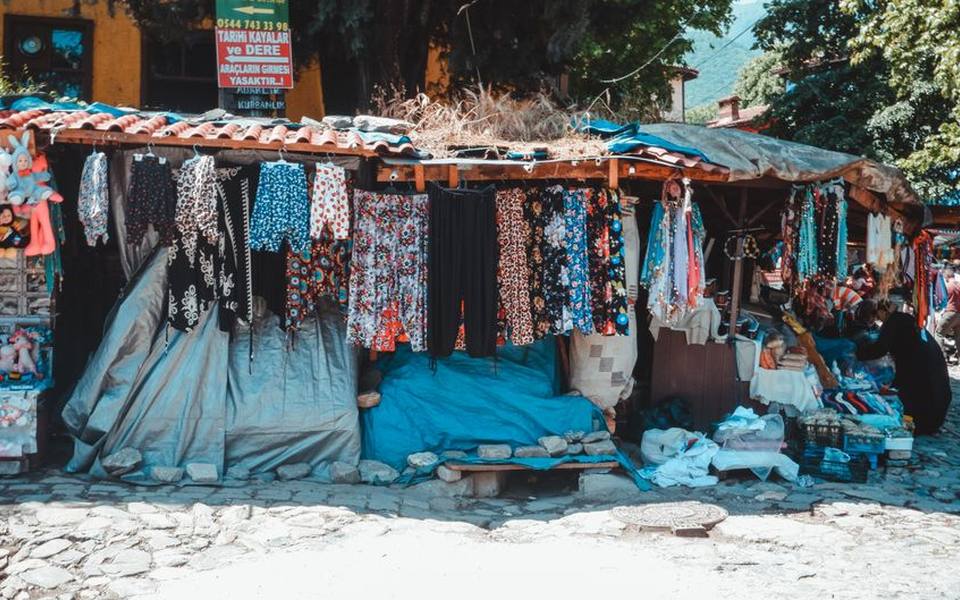
These lively community markets thrive throughout diverse metro areas across Texas, California, Florida, and the Midwest. They often function as social and cultural community anchors where weekend shopping is paired with freshly prepared street food, live music, and specialty grocery stalls. Finding an authentic international swap meet offers a completely different rhythm than antique hunting, emphasizing fresh culinary tools, handmade ceramics, and authentic folk textiles.
When browsing global swap booths, engage dealers in conversation about where their goods originate. Many vendors import stock directly from family connections in Mexico, Central America, Southeast Asia, or West Africa. You can discover heavy volcanic stone molcajetes, hand-loomed alpaca blankets, and hand-hammered carbon steel woks at prices far lower than specialized boutique kitchen stores.
Timing Your Visit: The Dawn Patrol versus the Sunday Sweep
Your success at any flea market depends entirely on when your feet hit the pavement. Serious collectors, antique dealers, and decorators swear by the early morning rush, often entering before sunrise while flashlight beams cut across tailgate tarps. Arriving at the break of dawn gives you first pick of uncataloged estate fresh merchandise, rare historical signs, and pristine vintage watches before competitors arrive.
Conversely, lingering until the final hours on Sunday afternoon unlocks an entirely different picking strategy focused on deep discounts. Dealers facing a long, exhausting drive home often dread repacking heavy stoneware, cumbersome wrought iron, or bulky dressers back into their trailers. Offering clean cash on large pieces as sellers begin packing their display tables frequently secures discounts of fifty percent or more.
Consider visiting on transitional days as well; at four-day events like Canton, Thursday and Friday mornings offer fully stocked booths with far smaller crowds than Saturday midday. Midday hours on peak Saturdays are best spent enjoying food stands, browsing casual small items, and mapping out dealer locations for closing-hour purchase offers.
Flea Market Rescue: Spotting Diamond Pieces in the Dust
The art of flea market rescue involves looking past cosmetic neglect to recognize sound structural craftsmanship. Muddy farm tables, chipped painted chairs, and tarnished hardware often hide solid walnut, quarter-sawn oak, or solid brass beneath decades of grime. Before committing to a piece, run your hands along joints, check drawer dovetails, and verify that wood movement has not warped the core frame beyond repair.
Sellers often unload scuffed solid wood furniture at throwaway prices simply because the original finish has alligatoring or surface water rings. Learning basic refinishing skills—such as stripping old shellac, applying paste wax, or tightening mortise-and-tenon joints—allows you to turn ten-dollar field finds into heirloom furnishings. Pairing these rescue missions with trips to thrift stores with furniture sections provides endless opportunities to source companion chairs, matching hardware, and vintage upholstery fabrics.
Always distinguish between genuine historic character and fatal structural decay. Gentle surface wear, mellow patina, and authentic oxidation add warmth and financial value to antique primitives, whereas powder-post beetle boreholes, severe dry rot, or shattered structural legs can make a project prohibitively expensive to restore. Focus your efforts on items with rock-solid bone structure that need little more than cleaning and hardware adjustment.
The Etiquette and Strategy of Polite Bargaining
Negotiating at a flea market is an expected part of the culture, but it must always remain respectful, courteous, and realistic. Flea market dealers work long, labor-intensive hours loading trailers, driving through the night, and standing on concrete in challenging weather. Treating price negotiations as a friendly conversation rather than an adversarial confrontation creates goodwill and yields far better discounts.
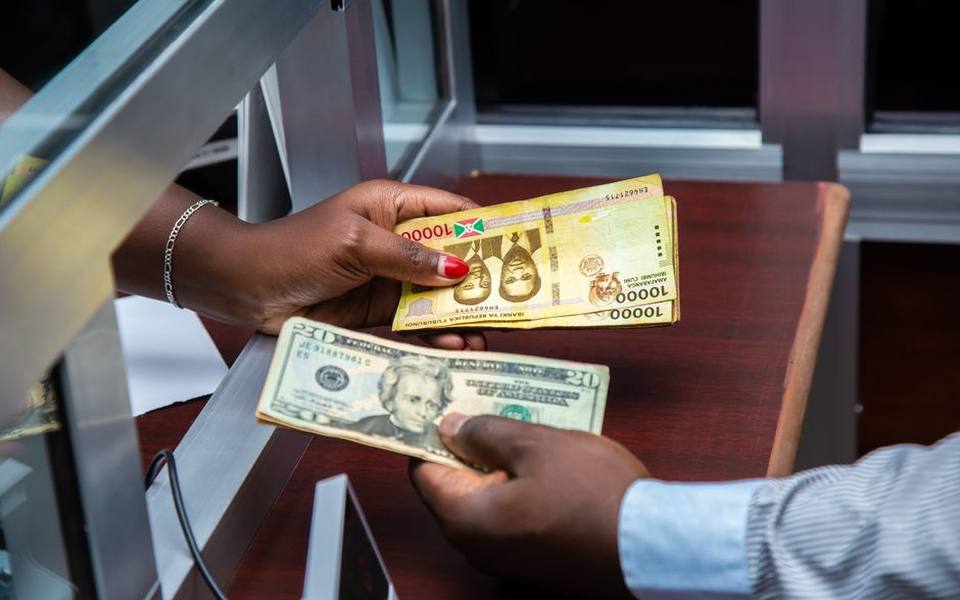
Start by asking a simple, polite question: 'What is your best cash price on this today?' This invites the seller to offer an initial discount without you needing to insult them with a blind counteroffer. If you want a deeper cut, consider bundling multiple items from the same table together; dealers are far more willing to reduce their margin if you help them clear volume in a single cash transaction.
Never disparage an item or criticize a seller's booth to justify a lower offer, as that approach immediately shuts down negotiation. Keep your cash in hand ready to seal the deal immediately once an agreed figure is reached. If a seller firmly declines your counteroffer, simply thank them politely for their time and move on; burning bridges over a few dollars ruins the market atmosphere for everyone.
Packing Your Market Day Kit and Transporting Finds
A successful market haul requires proper gear to protect both yourself and your newly purchased treasures. A folding canvas utility wagon is indispensable for hauling heavy cast iron, vintage stoneware, or stacked pottery without exhausting your arms. Inside a lightweight daypack, carry a retractable steel tape measure, a bright pocket LED flashlight, wet wipes, and a small roll of bubble wrap for delicate glass.
Measurements are critical when shopping for architectural salvage, antique doors, and large home furniture. Keep a small notebook or phone file containing precise dimensions of your home entryways, room corners, and car trunk opening to avoid heartbreak in the loading zone. Confirming physical clearances ahead of time ensures that the statement cabinet you love actually fits inside your living room.
Prepare your vehicle before leaving home by clearing the trunk and laying down a heavy-duty canvas tarp or moving blanket to catch dirt and grease. Keep ratchet tie-down straps, bungee cords, and extra moving pads inside your vehicle so you can securely brace large pieces without causing transit rubs. Being self-sufficient with packing and tie-downs means you can transport your weekend rescues home safely without paying costly delivery surcharges.
Published 2026-09-22 · reviewed with each rebuild, last September 2026.
Find thrift stores near you
The directory lists 20,630 thrift stores by state and city — pick your state or use the “Near me” button in the header.
More guides
-
 Buying
Wedding Attire Resale and Pricing Guide
-
 Buying
The Complete Guide to Sourcing and Reselling Pre-Owned Bridal and Formal Dresses
-
 Buying
Finding and Styling Vintage Holiday Sweaters and Retro Costumes
-
 Money
MoneyTurning Your Closet Cleanout Into Extra Funds
-
 Money
MoneyHow to Value and Sell Vintage Baseball Cards
-
 Buying
Sourcing Budget-Friendly Apparel and Vintage Wardrobe Staples
-
 Owning
How to Donate and Recycle Used Furniture, Clothes, and Textiles
-
 Money
MoneyValuing and Selling Used Vinyl Records and VHS Tapes
-
 Buying
Finding and Valuing Used Books, Comics, and Collectible Media
-
 Buying
Thrift Stores vs Flea Markets: A Guide to Secondhand Shopping and Resale Sourcing
-
 Money
MoneyEvaluating Vintage Costume Jewelry and Silverware
-
 Buying
Ultimate Guide to Flea Markets and Swap Meets Across the US
-
 Buying
Major Charity Thrift Stores: Salvation Army, Goodwill, and St. Vincent de Paul Guide
-
 Buying
Mid-Century Modern Furniture and Antique Malls: Buying and Identification Guide
-
 Buying
Smart Budget Fashion: Navigating Sales, Resale Outlets, and Cheap Clothing Stores
-
 Service
Charity Furniture Pick-Up & Donation Guide: Goodwill, Salvation Army & Local Drop-Offs
-
 Buying
Thrifting Vintage Party Outfits: 1920s Flapper, 70s Disco, and 80s Ensembles
-
 Buying
Antique Mall Treasure Hunting: Valuing Vintage Pyrex, Gold Mirrors, and Collectibles