Navigating the Market for Authentic Mid-Century Furniture
Sourcing genuine mid-century modern furniture requires understanding the difference between high-volume resale outlets, curated vintage collectives, and traditional roadside antique malls. True post-war design, spanning roughly from the late 1940s through the early 1970s, prioritized clean lines, organic curves, and functional materials. Today, the marketplace ranges from untouched family estate items tucked inside rural secondhand stores to highly vetted collector pieces displayed in high-end city showrooms. Knowing where a specific venue fits along that spectrum helps you gauge whether prices are negotiable or set at firm retail.
Casual thrift shoppers often stumble across post-war dressers and tables without realizing their heritage, simply because the finishes show honest wear. Dedicated community thrift stores with a dedicated furniture section frequently price mid-century storage cabinets as standard used utility goods. In contrast, specialized antique dealers track original designer attributions, catalog values, and restoration requirements. To buy smartly, you need to recognize manufacturing hallmarks instantly so you can spot heirloom-quality woodwork regardless of whether it sits under warehouse fluorescent lights or in a polished gallery booth.
Developing a sharp eye begins with studying baseline architectural forms from the era. Mid-century furniture typically eliminates heavy ornamental moldings, ornate turnings, and heavy applied appliques common to earlier Victorian or Colonial Revival styles. Instead, you will see tapered pencil legs, splayed conical feet with brass ferrules, flush-mounted drawer fronts, and floating horizontal planes. Once you become accustomed to these structural silhouettes, scanning an expansive floor filled with hundreds of mismatched tables and credenzas takes only a few minutes.
Inspecting Drawer Construction and Internal Joinery
The interior structural integrity of a vintage storage piece tells you far more about its pedigree than external appearance alone. When evaluating inexpensive dressers, slide every drawer completely out of its bay to inspect the joinery. Mid-century manufacturers in the United States and Scandinavia relied heavily on interlocking dovetail joints at both front corners. Machine dovetails with even, rectangular pins suggest factory precision, while loose staples, butt joints, or plastic interior brackets point toward lower-tier modern reproductions or cheap commercial copies from subsequent decades.

Drawer bottoms and side glides indicate how well a cabinet was engineered to withstand decades of daily use. Quality vintage cases generally feature solid wood drawer runners mounted along the case sides, or centered wooden guide tracks waxed to glide smoothly. Examine whether inexpensive dresser drawers maintain rigid plywood bottoms slotted directly into grooved side panels, or if thin hardboard is merely tacked to the bottom perimeter. Sagging, bowed drawer bottoms usually mean the piece was overloaded or stored in humid environments.
Take a flashlight to inspect the interior dust panels between the drawers. Better vintage manufacturers included thin horizontal wooden partitions between every tier to keep clothing clean and give the carcass lateral rigidity. If you reach into a chest and notice empty vertical space connecting all drawer levels without structural dividers, the piece was produced on a budget. Such builds can still serve as great practical storage, but their valuation should reflect their lighter, utilitarian origins.
Check the clearance along the perimeter of each drawer face when fully shut. Authentic post-war case goods were assembled with precise tolerances, typically leaving an even gap of roughly one-eighth of an inch all the way around. Uneven rubbing marks, shaved top edges, or sticky operation suggest the outer carcass has racked out of square due to structural loosening or a missing rear backboard.
Identifying Authentic Woods, Veneers, and Surface Materials
A widespread misconception among newer collectors is that genuine mid-century pieces are always crafted entirely from solid lumber. In reality, master designers from the era embraced high-grade architectural veneers over stable lumber-core substrates to prevent warping and allow bold, continuous grain matching. American walnut, Danish teak, rosewood, and pale birch were the dominant species of choice. Solid hardwood was usually reserved for exposed structural elements like sculptural leg assemblies, drawer pulls, and perimeter edge banding.
Differentiating true vintage timber from modern synthetic alternatives is straightforward once you examine the edges and back corners. Authentic pieces feature solid wood edge banding that is glued and planed flush against the veneered top surface. Modern budget furniture, by comparison, often uses paper-thin heat-activated edge banding or printed vinyl foil over compressed particleboard. If you feel a sharp plastic seam along the back corner or see paper peeling back to reveal gray composite pulp, the piece is a contemporary replica.
Examine the patination across horizontal table surfaces and credenza tops. Genuine vintage oil finishes on teak and hand-rubbed lacquers on walnut oxidize unevenly over decades of indirect sun exposure, creating rich, mellow amber tones. Many mid-century case pieces also utilized laminate surfaces designed to mimic wood grain, often produced by reputable manufacturers to protect nightstands and desks from water damage. While laminate tops lower resale valuation slightly compared to fine veneers, they offer exceptional everyday durability.
Locating Maker Stamps, Paper Labels, and Attribution Clues
Finding an original maker mark can elevate an unassuming vintage find into a documented design classic. Factory markings were placed in predictable, subtle locations to avoid disrupting the furniture's aesthetic line. When exploring an antique shop, begin by opening the top right drawer of any desk or chest. Manufacturers routinely heat-branded their logos directly into the interior drawer side, applied foil decals along the inner rim, or burned a stylized emblem into the raw wood grain.
If the drawers yield no clues, carefully examine the unfinished rear panel and the underside of the main chassis. Many Danish workshops applied blue ink stamps reading Made in Denmark along with a specific workshop registration code or the circular Danish Furnituremakers Control medallion. American factories often stenciled a four-digit production date code, model number, and finish classification in faded white or black paint across the upper corner of the exterior backboard.
Do not despair if physical labels are absent, as paper tags frequently dried up and fell away over fifty years of domestic cleaning. Distinctive hardware, patented drawer pulls, and unique leg mounting plates can still provide decisive attribution. Cross-referencing catalog archives, period retail brochures, and regional maker databases often reveals the designer behind an unmarked credenza, transforming an unbranded flea market score into a verified historical acquisition.
Exploring Multi-Dealer Malls and Consignment Hubs
Large suburban antique hubs operate on a multi-vendor consignment format that differs dramatically from standalone shops. Sprawling multi-dealer destinations, such as locations operated under names like the Brass Armadillo antique network, house hundreds of independent vendor stalls under a single roof. Because each booth reflects the curation and pricing strategy of an independent dealer, you might find a high-end Danish credenza priced at market value right next to an overlooked bedroom dresser priced like simple secondhand storage.
Understanding how booth tags work is essential for negotiating and budgeting in these massive buildings. Price tags list an inventory tracking number, a vendor identifier, and the item cost. In most states and regional malls, the central front desk staff handles all payments on behalf of the vendors. Staff members typically cannot alter prices on the spot, but they frequently have permission to call the booth owner to ask for a standard discount, usually around ten percent on items above a certain dollar threshold.
Timing your visit impacts your likelihood of securing prime case goods before local pickers clear the aisles. Consignment dealers restock their stalls throughout the week, often bringing in fresh estates on Thursday afternoons and Friday mornings ahead of weekend traffic. Checking out regional directories across all states allows you to pinpoint high-density antique hubs and plan efficient sourcing routes between regional vendor collectives.
Conquering Outdoor Flea Markets and Destination Swaps
Destination outdoor vintage markets offer some of the most dynamic mid-century sourcing environments in the country. Landmark gatherings, such as the famous monthly Rose Bowl antique market and similar sprawling open-air exchanges, assemble thousands of pickers, estate liquidators, and specialty restoration dealers. The sheer scale can overwhelm unassisted shoppers, making early arrival, physical preparation, and an assertive purchasing mindset mandatory.
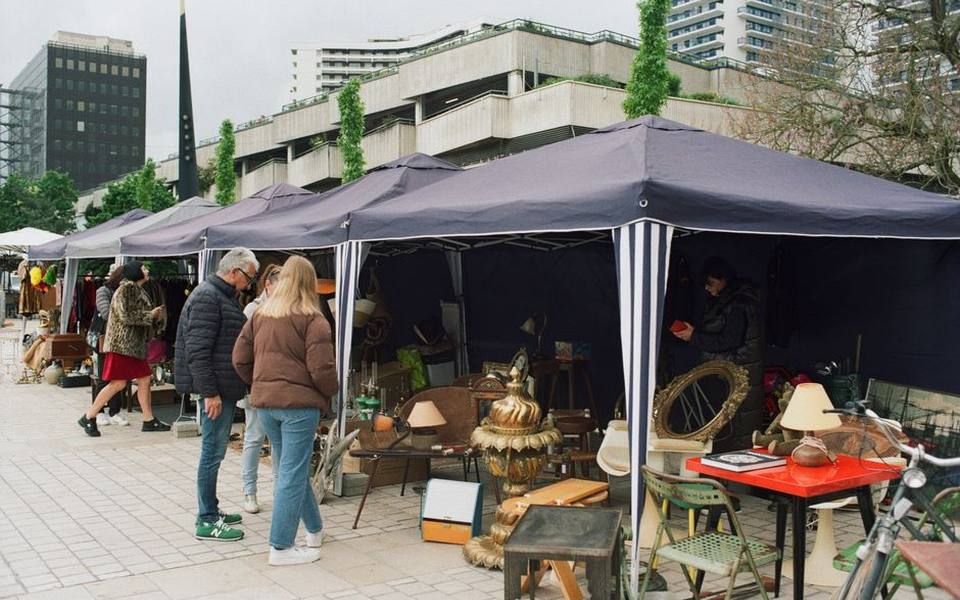
Navigating outdoor flea fields successfully depends heavily on securing early admission passes. Seasoned collectors and interior designers arrive well before sunrise with headlamps and collapsible carts, buying choice walnut dressers and sculptural lounge chairs while sellers are still unpacking their box trucks. By mid-morning, prime statement pieces in popular regional markets like those throughout California antique districts have often changed hands or bear sold tags waiting for afternoon transport.
Direct negotiation is an expected part of the outdoor swap meet culture, unlike in brick-and-mortar retail shops. Vendors pay significant stall fees and must haul unsold inventory home at the end of the day, making cash payment a strong bargaining lever. Inspect pieces thoroughly under natural daylight, looking for frame cracks, lifting veneer, or water staining along the baseboard, and factor any necessary repair effort into your initial cash offer.
Always bring practical transport gear to large outdoor swaps. Bungee cords, heavy-duty ratchet straps, moving blankets, and a sturdy four-wheel flatbed dolly ensure you can transport bulky walnut credenzas across uneven asphalt without scratching the vintage finish or fatiguing yourself before you finish browsing the aisles.
Navigating Urban Collectives and Curated Warehouses
In urban areas across the country, a newer wave of vintage collective malls has emerged to bridge the gap between cluttered thrift shops and elite design galleries. Spaces modeled like the Memory Den vintage mall concept feature expansive industrial warehouses subdivided into distinct lifestyle vignettes. Vendors in these spaces spend substantial time cleaning finishes, repairing drawer slides, and pairing case goods with complementary lighting, ceramics, and textiles.
Shopping in curated vintage warehouses generally means paying closer to true market valuation, but it eliminates much of the guesswork regarding authenticity and condition. Dealers operating in these collaborative urban markets have usually already stabilized weak joints, oiled dry teak surfaces, and verified the historical attribution of their inventory. For apartment dwellers without woodworking equipment or workspace, paying a modest premium for ready-to-use furniture is often the most cost-effective choice.
These collective hubs are also valuable resources for sourcing smaller complementary decor pieces. Exploring nearby secondhand specialty stores alongside vintage warehouse stalls allows you to discover period-accurate spun fiberglass shades, atomic wall clocks, ceramic art pottery, and retro brass hardware that complete a mid-century interior without forcing you to pay dedicated showroom markups.
Smart Strategies for Sourcing Inexpensive Dressers
Finding reliable, aesthetically pleasing bedroom storage on a modest budget is one of the primary reasons shoppers turn to vintage stores. While high-profile Scandinavian sideboards command premium prices, sturdy domestic bedroom dressers from the 1950s and 1960s remain abundant and affordable. Major American furniture makers produced millions of clean-lined, functional dressers that provide far superior longevity compared to modern flatpack particleboard units selling for comparable prices.
When hunting for inexpensive dressers, focus your search on secondary domestic brands rather than celebrated designer signatures. Manufacturers like Bassett, Dixie, Harmony House, and Stanley produced robust hardwood and lumber-core dressers that capture the classic mid-century profile with tapered legs and sculpted wooden pulls. These utilitarian workhorses frequently appear in estate sales and regional thrift shops priced purely as general used furniture rather than collectible design artifacts.
Inspect the structural bones rather than surface cosmetics when hunting for cheap dressers. A bedroom chest with superficial scratches, light water rings, or missing drawer hardware can often be acquired for a fraction of its potential value. As long as the internal drawer runners are straight and the outer wooden framework is square, basic surface revival techniques can transform a neglected piece into a stunning centerpiece for your bedroom.
Check how hardware is mounted across the drawer fronts. Many budget-friendly vintage chests utilize standard three-inch center-to-center pull spacing. If the original metal handles are tarnished beyond recovery or conflict with your aesthetic preferences, finding affordable period-appropriate replacements is straightforward. Avoid pieces that use non-standard recessed plastic pulls that cannot be replaced without extensive woodworking and veneer patching.
Assessing Condition, Repairs, and Structural Restoration
Before purchasing any vintage case piece, conduct a methodical physical assessment to determine whether structural flaws are easily fixable or deal-breakers. Place both hands firmly on top of the cabinet and apply gentle downward and lateral pressure. Any pronounced swaying or creaking indicates failed internal glue blocks or loose mortise-and-tenon joints. While re-gluing a dowel joint is manageable for hobbyists, rebuilding a collapsed frame requires specialized clamps and workshop space.

Veneer damage requires careful appraisal. Superficial edge chips along bottom skirting or back edges can be filled with color-matched wax fill sticks or tinted burn-in resins with minimal effort. However, large sections of bubbling, lifting, or missing veneer across prominent horizontal tops indicate extensive water damage that usually requires complete re-veneering. Unless the item is priced near giveaway levels, severe surface bubbling is typically a signal to walk away.
Learn the difference between cleaning a piece and stripping its historical finish. Genuine mid-century pieces gain character through natural aging, and harsh chemical stripping can permanently destroy original factory toning lacquers and thin face veneers. In many cases, washing greasy grime away with odorless mineral spirits followed by an application of paste wax or conditioning Danish oil will restore luster without compromising the integrity or antique value of the wood.
Transporting and Loading Bulky Vintage Storage Pieces
Transporting heavy mid-century furniture requires methodical preparation to avoid damaging delicate veneers, long legs, or internal glides during transit. Always measure your vehicle's cargo opening, interior floor depth, and ceiling height before traveling to an antique mall. Bring moving blankets, shrink wrap, and corner protectors with you, as standard resale venues rarely provide packing materials for large architectural case pieces.
Before lifting a dresser onto a vehicle or hand truck, remove every drawer completely. Emptying the drawers cuts the total weight of the piece in half, making loading significantly safer while eliminating the risk of drawers sliding open and snapping their guide tracks. Pack the drawers separately into your vehicle, stacking them face-to-face with soft padding in between to prevent drawer pulls from scratching opposite faces.
Pay special attention to angled, tapered mid-century legs during transport. Long, pencil-style legs mounted at an outward angle create immense leverage against the baseboard when dragged across carpets or bumped into truck beds. If legs are threaded into screw plates, remove them entirely and label their original positions. For fixed leg bases, lift the cabinet cleanly off the ground rather than tilting it onto two legs.
If you discover a substantial credenza or bedroom suite that exceeds your personal vehicle capacity, inquire about professional transport options immediately. Many larger regional consignment venues partner with independent courier teams, and exploring options for secondhand stores offering furniture pickup services can provide affordable local delivery solutions for oversized historical furnishings.
Published 2026-09-21 · reviewed with each rebuild, last September 2026.
Find thrift stores near you
The directory lists 20,630 thrift stores by state and city — pick your state or use the “Near me” button in the header.
More guides
-
 Buying
Wedding Attire Resale and Pricing Guide
-
 Buying
The Complete Guide to Sourcing and Reselling Pre-Owned Bridal and Formal Dresses
-
 Buying
Finding and Styling Vintage Holiday Sweaters and Retro Costumes
-
 Money
MoneyTurning Your Closet Cleanout Into Extra Funds
-
 Money
MoneyHow to Value and Sell Vintage Baseball Cards
-
 Buying
Sourcing Budget-Friendly Apparel and Vintage Wardrobe Staples
-
 Owning
How to Donate and Recycle Used Furniture, Clothes, and Textiles
-
 Money
MoneyValuing and Selling Used Vinyl Records and VHS Tapes
-
 Buying
Finding and Valuing Used Books, Comics, and Collectible Media
-
 Buying
Thrift Stores vs Flea Markets: A Guide to Secondhand Shopping and Resale Sourcing
-
 Money
MoneyEvaluating Vintage Costume Jewelry and Silverware
-
 Buying
Ultimate Guide to Flea Markets and Swap Meets Across the US
-
 Buying
Major Charity Thrift Stores: Salvation Army, Goodwill, and St. Vincent de Paul Guide
-
 Buying
Smart Budget Fashion: Navigating Sales, Resale Outlets, and Cheap Clothing Stores
-
 Buying
Ultimate Flea Market and Swap Meet Guide: Regional Hubs, Picking Secrets, and Fair Bargaining
-
 Service
Charity Furniture Pick-Up & Donation Guide: Goodwill, Salvation Army & Local Drop-Offs
-
 Buying
Thrifting Vintage Party Outfits: 1920s Flapper, 70s Disco, and 80s Ensembles
-
 Buying
Antique Mall Treasure Hunting: Valuing Vintage Pyrex, Gold Mirrors, and Collectibles