Rethinking How You Build a Wardrobe on a Budget
Building a functional wardrobe without overspending requires looking past the single-store mindset and combining three distinct channels: clearance racks at retail centers, off-price factory outlets, and neighborhood secondhand shops. Rather than waiting for a spontaneous shopping trip when an urgent need arises, experienced bargain shoppers treat wardrobe building as an ongoing cycle. By sourcing heavy staples secondhand and picking up specific fit-dependent garments during seasonal retail markdowns, you can drastically reduce total clothing expenditures while upgrading the overall quality of fabrics in your closet.
Clearance cycles at major department stores and mall retailers follow predictable retail calendars. Mid-winter and mid-summer usually bring the deepest markdowns as merchants clear backrooms to welcome incoming inventory. At the same time, thrift outlets receive a steady stream of donations from households clearing out old garments during those exact same periods. Tapping into both channels simultaneously allows you to compare retail clearance tags against secondhand prices before making a final purchasing decision.
Our nationwide directory at ThriftAtlas indexes thousands of secondhand storefronts, making it simple to map local options before heading to the shopping mall. With more than 11,315 listings in top states alone, finding community resale spots alongside commercial retail corridors has never been easier. Balancing new discounted basics with pre-owned specialty garments creates a versatile collection that stands up to daily wear without straining your household finances.
Timing the Clearance Cycles for Women's Apparel
Finding reliable markdowns on everyday dresses, blouses, and casual layers begins with understanding store mark-up cadences. Most department stores and specialty boutiques rotate their sale racks weekly, often making final markdown passes on Tuesday or Wednesday mornings. Shopping these mid-week windows typically gives you the first look at fresh clearance inventory before weekend crowds sort through popular sizes and pick over rack selections.
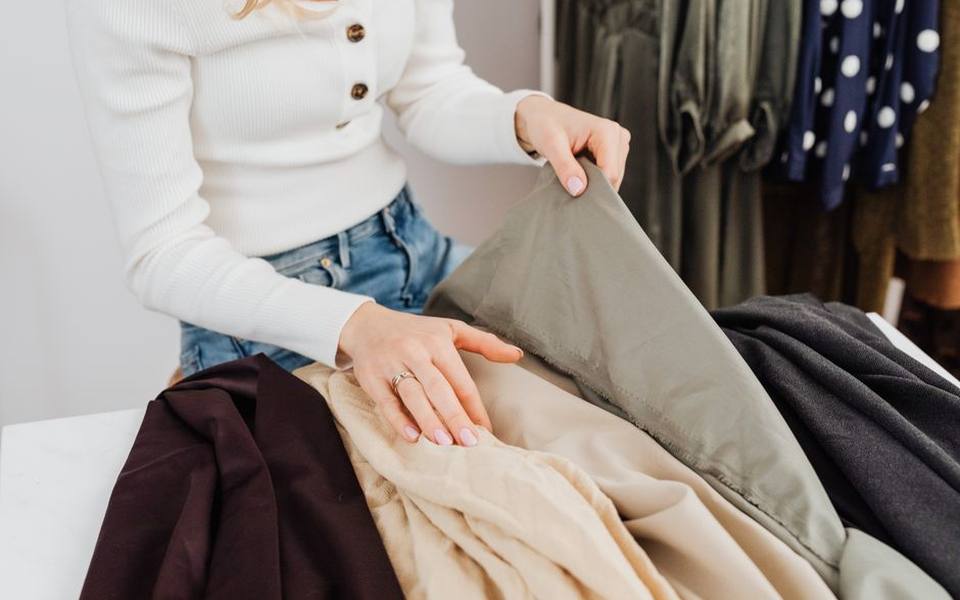
When browsing seasonal promotional racks for ladies fashion, focus on structural garments made from natural fibers like linen, silk, and dense cotton. Fast-fashion retailers often put synthetic trendy pieces on clearance because the garments lose shape after only a few wears. In contrast, well-constructed classic silhouettes like tailored trousers, trench coats, and shift dresses will last for years, making clearance-priced quality apparel a far better investment than disposable, ultra-cheap alternatives.
Combining retail clearance with thrift boutique hunting often yields the best results. A high-end blouse discovered on a deep retail markdown pairs effortlessly with everyday denim sourced from local secondhand racks. If you find a store running an extra percentage off already reduced clearance items, verify whether all sales are final, as return policies on deeply discounted women's apparel are often non-refundable.
Navigating Men's Apparel Clearance and Everyday Basics
Men's clothing sales tend to move at a slower tempo than women's fashion, but the markdowns can be significantly steeper when end-of-season purges arrive. Traditional men's staples like oxford button-down shirts, chinos, raw denim, and merino wool sweaters change very little from year to year. Because these designs are essentially timeless, buying them during annual winter or summer warehouse events provides long-term value without the risk of wearing outdated cuts.
Clearance sections for men's apparel often feature unusual sizes at the deepest discounts, but common sizes like medium shirts or thirty-two-inch waists still land on clearance if you track transition windows. Early spring is the standard window when stores slash prices on heavy flannel shirts, wool overcoats, and corduroys, while late summer is prime time to pick up lightweight polos, linen button-ups, and tailored shorts at bottom-tier pricing.
For shoppers in mid-Atlantic states, exploring independent consignment options alongside shopping center clearances is a proven strategy. Checking regional spots like thrift stores in Pennsylvania often uncovers pristine heritage menswear brands, vintage collegiate knits, and rugged chore jackets that cost a fraction of their retail clearance counterparts, allowing you to assemble a sturdy, everyday uniform on a modest budget.
Sourcing Everyday and Playwear Essentials for Kids
Children outgrow clothing rapidly, making full-price retail one of the least economical household expenses. For active toddlers and school-age children, playwear is subjected to constant mud, playground friction, and paint, meaning high durability and low cost should always take precedence over boutique labels. Focusing on multi-piece discount multipacks for basic t-shirts and cotton leggings provides an affordable base for school-week rotations.
Community resale shops and consignment hubs are ideal for sourcing everyday children's wear. Because children frequently advance a shoe or pant size before wearing through their clothes, thrift shelves are filled with gently used garments that still have months or years of usable life left. Buying basic denim, cotton hoodies, and graphic tees at community thrift prices eliminates the frustration of stained or torn playground garments.
Savvy parents frequently buy a size ahead when they spot clearance bundles or neighborhood yard sale bins. If you notice durable play shorts or long-sleeve knit shirts on deep markdown in August, buying one size larger ensures your child has an immediate wardrobe ready for the following spring. Organizing these future sizes in clearly labeled storage bins keeps household shopping orderly and prevents emergency retail trips.
Scoring Heavy-Duty Winter Outerwear for Children
Cold-weather gear represents one of the biggest clothing expenses for families, especially when winter temperatures require genuine insulation and weatherproofing. Buying a reliable boys winter jacket or insulated girls parka at standard retail can strain any budget, particularly when the child might only fit into the coat for a single winter season. This makes hunting for premium outdoor labels on the resale market an essential family money-saving skill.
High-performance cold-weather pieces, such as a down-filled North Face kids jacket or waterproof shell, are built with resilient stitching and heavy-duty hardware designed to withstand multiple owners. When examining a pre-owned children's technical jacket, test the main zipper slide, check that the storm flap velcro still grips, and look at the sleeve cuffs for fraying. Down and synthetic fills can lose loft if washed improperly, so gently squeeze the baffles to ensure the insulation is fluffy and evenly distributed rather than clumped.
If you live in the Midwest where seasonal winters are severe, look into regional hubs such as thrift stores in Ohio during the late summer months. Many families donate outgrown cold-weather outerwear in July and August during back-to-school closet purges, giving early shoppers prime access to top-tier technical winter coats weeks before the retail rush starts inflating seasonal demand.
The Art of Stacking Retail Coupons and Outlet Promotions
Shopping factory outlet centers and mall retail clearances becomes substantially more economical when you learn how to stack promotional codes, loyalty perks, and mobile app discounts. Popular teen and young adult brands often release digital discount coupons or email signup vouchers that can be applied on top of marked-down merchandise, occasionally resulting in total price cuts that rival secondhand prices.

Before visiting retail centers, download the relevant brand apps or sign up for store newsletter clubs to collect welcome coupons, such as promotional codes commonly found for brands like Hollister, American Eagle, or Gap. In many cases, these digital coupons include specific terms that allow stacking with clearance promotions, though doorbusters and charity items are typically excluded. Reading the fine print ensures you know whether the discount applies to the original or the marked-down price.
Outlet stores also feature distinct pricing patterns compared to regular mall storefronts. Keep in mind that some outlet merchandise is manufactured specifically for outlet distribution using lighter-weight fabrics or simplified pocket construction. Comparing the fabric weight, seam allowances, and country of origin on outlet tags helps you determine whether an outlet clearance piece is an authentic retail transfer or a cheaper made-for-outlet garment.
Hunting for Formalwear and Professional Attire Secondhand
Formalwear is uniquely suited to secondhand purchasing because most people wear suits, tuxedo jackets, cocktail dresses, and gala gowns only a handful of times before relegating them to the back of the closet. When these items are eventually donated or consigned, they often arrive in virtually untouched condition. Paying full retail price for an outfit intended for a single wedding or interview is rarely necessary.
When shopping for secondhand suits or blazers, prioritize the shoulders and chest fit above all else. Altering the sleeve length or hemming trouser cuffs is an inexpensive, routine job for any local dry cleaner or tailor, but rebuilding the shoulder structure of a jacket is costly and rarely worth the investment. Choosing classic colors like charcoal, navy, or black ensures that your tailored secondhand find remains suitable for various formal gatherings for years to come.
In addition to standard clothing resale, exploring niche consignment spots like second-hand specialty stores can reveal designer formalwear, vintage accessories, and handcrafted evening pieces. Vintage silk ties, genuine leather belts, and classic cufflinks can easily be acquired secondhand for modest pocket change, pulling together an upscale formal aesthetic on a minimal budget.
Inspecting Garments Before Paying
The primary risk of buying discount, clearance, or pre-owned clothing is bringing home garments that harbor unfixable defects. Unlike full-priced merchandise that carries simple exchange guarantees, discounted items often come with strict return limitations. Taking two extra minutes to inspect every piece under bright store lighting saves money and eliminates closet clutter.
Begin your inspection by running your hands along high-friction stress points: the collar edges, armpits, inner thigh seams, and cuff hems. Check for fabric thinning, pilling, or discoloration from deodorant and perspiration. Test all moving parts, including metal zippers, button shanks, snaps, and elastic waistbands. Elastic that makes a crackling sound when stretched has succumbed to dry rot and cannot be repaired without opening the garment casing.
Fabric composition tags reveal how a garment will handle regular laundry cycles. Natural fibers like wool, cotton, and linen breathe well and withstand years of cleaning, but they may have suffered unnoticed shrinkage from previous high-heat drying. Compare sleeve lengths against your arm before buying, and smell the fabric for persistent mildew or synthetic fragrance, which can be difficult to eliminate even with specialized laundry stripping.
Mapping Regional Thrift Stores and Outlets
Where you shop matters just as much as when you shop. Inventory quality at thrift stores and outlet centers varies widely depending on surrounding neighborhoods, municipal donation habits, and regional distribution networks. Wealthier suburban areas often receive higher volumes of branded clothing donations with original retail tags still attached, making suburban thrift circuits especially productive for designer hunting.
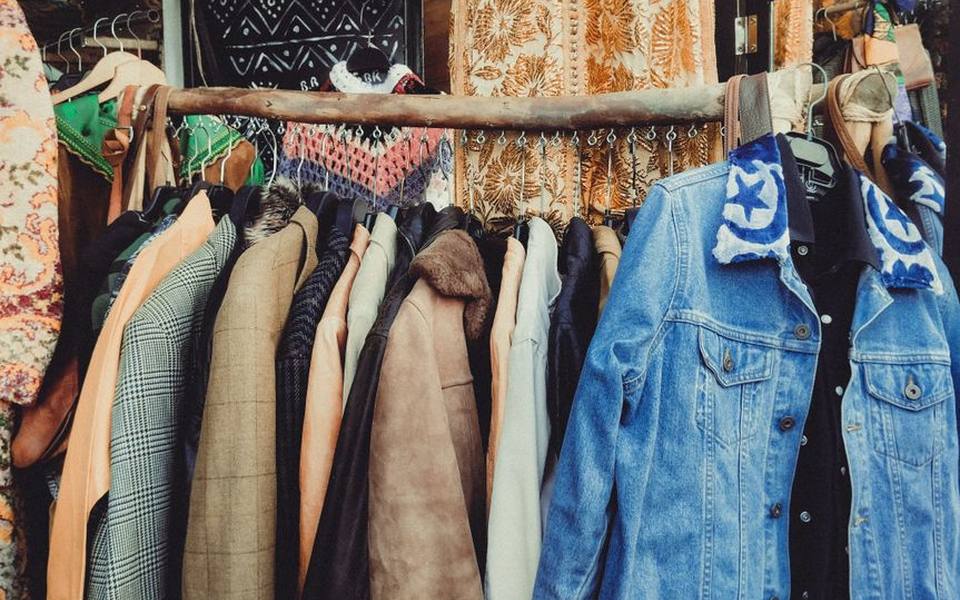
Store formats also differ in important ways. Standard community thrift shops offer organized racks sorted by size and color, whereas liquidation clearance outlets and wholesale bin stores sell clothing by total weight. If you have the patience to sift through unsorted bulk bins, wholesale clearing centers allow you to acquire heavy garments like children's winter jackets and denim for pennies per pound, though physical stamina and protective gloves are recommended.
When planning a weekend shopping trip across new territory, mapping your route around both commercial clearance centers and charity thrift storefronts maximizes your travel time. Combining an outlet mall visit with two nearby community charity shops frequently uncovers the exact mix of durable everyday staples and branded gems your wardrobe requires.
Maintaining and Preserving Discount Garments
Securing clothing at deep discounts only translates into genuine savings if those garments remain wearable over multiple seasons. Proper home maintenance extends the lifespan of clearance and secondhand items, protecting the money and time you invested in finding them. Most modern fabrics deteriorate not from wear, but from aggressive washing routines and excessive machine drying heat.
Wash delicate garments, wool knits, and technical outerwear inside out on cold cycles using gentle detergent. High heat breaks down elastane fibers in stretch denim and athletic wear, leading to sagging knees and warped waistbands; air-drying on a folding rack prevents this degradation entirely. For technical jackets with water-resistant shells, use a specialty tech-wash periodically to restore the durable water-repellent coating rather than regular household detergent.
Basic sewing skills can salvage incredible bargains that other shoppers overlook. Missing buttons, fallen hems, and loose lining seams are simple to repair with a basic needle and thread. By spending five minutes securing a loose stitch, you can purchase heavily marked-down garments from clearance 'as-is' racks and restore them to pristine, daily-wear condition for practically nothing.
Published 2026-09-21 · reviewed with each rebuild, last September 2026.
Find thrift stores near you
The directory lists 20,630 thrift stores by state and city — pick your state or use the “Near me” button in the header.
More guides
-
 Buying
Wedding Attire Resale and Pricing Guide
-
 Buying
The Complete Guide to Sourcing and Reselling Pre-Owned Bridal and Formal Dresses
-
 Buying
Finding and Styling Vintage Holiday Sweaters and Retro Costumes
-
 Money
MoneyTurning Your Closet Cleanout Into Extra Funds
-
 Money
MoneyHow to Value and Sell Vintage Baseball Cards
-
 Buying
Sourcing Budget-Friendly Apparel and Vintage Wardrobe Staples
-
 Owning
How to Donate and Recycle Used Furniture, Clothes, and Textiles
-
 Money
MoneyValuing and Selling Used Vinyl Records and VHS Tapes
-
 Buying
Finding and Valuing Used Books, Comics, and Collectible Media
-
 Buying
Thrift Stores vs Flea Markets: A Guide to Secondhand Shopping and Resale Sourcing
-
 Money
MoneyEvaluating Vintage Costume Jewelry and Silverware
-
 Buying
Ultimate Guide to Flea Markets and Swap Meets Across the US
-
 Buying
Major Charity Thrift Stores: Salvation Army, Goodwill, and St. Vincent de Paul Guide
-
 Buying
Mid-Century Modern Furniture and Antique Malls: Buying and Identification Guide
-
 Buying
Ultimate Flea Market and Swap Meet Guide: Regional Hubs, Picking Secrets, and Fair Bargaining
-
 Service
Charity Furniture Pick-Up & Donation Guide: Goodwill, Salvation Army & Local Drop-Offs
-
 Buying
Thrifting Vintage Party Outfits: 1920s Flapper, 70s Disco, and 80s Ensembles
-
 Buying
Antique Mall Treasure Hunting: Valuing Vintage Pyrex, Gold Mirrors, and Collectibles