Understanding the Primary Secondhand Venues
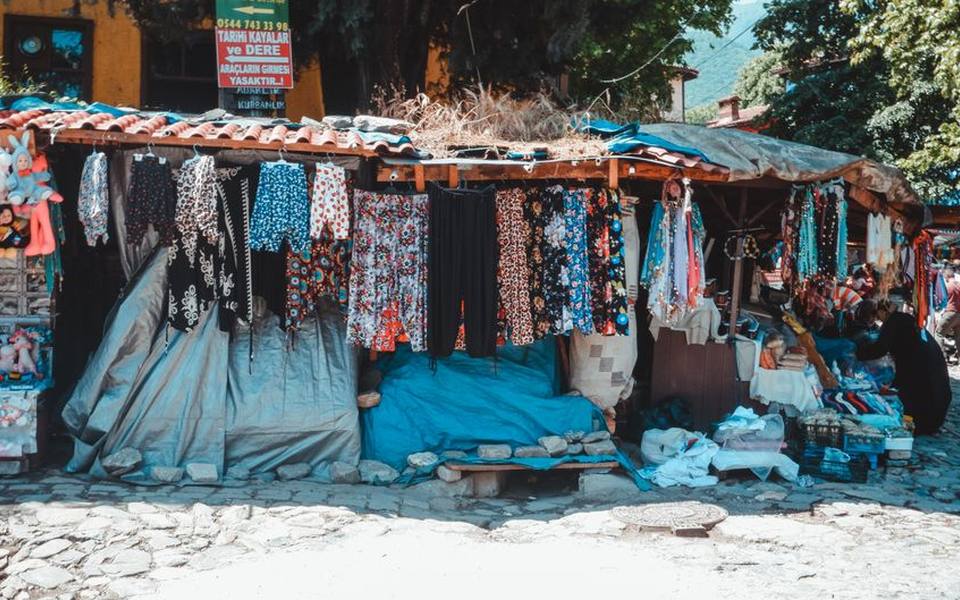
The primary distinction between these venues lies in their business models. Thrift shops operate as retail environments where a single organization processes and sells donated merchandise. In contrast, flea markets function as open spaces where multiple independent vendors rent booths to sell their own goods. This fundamental difference dictates everything from how items are priced to who you negotiate with.
Terminology often confuses new shoppers planning weekend activities. A swap meet is essentially the exact same concept as a flea market, frequently used on the West Coast to describe outdoor gatherings of independent sellers. Meanwhile, a farmers market is a completely different event focused primarily on local agriculture, fresh produce, and baked goods rather than vintage or used household items.
The shopping experience contrasts sharply between these locations. Standard charity shops offer climate-controlled aisles, organized racks, and fixed prices on a consistent schedule. Outdoor vendor markets encourage active haggling, operate strictly on weekends, and require buyers to dig through varied individual collections in changing weather. Both venues offer distinct advantages depending on your willingness to negotiate directly with the owner.
Retail Floors Versus Clearance Centers
Differentiating standard retail operations from clearance outlets is crucial for anyone hunting for bargains. Traditional store locations sort incoming goods, price them with individual tags, and display them neatly on standard racks. The outlet versions operate as a final clearance center for goods that did not sell in the main stores, offering a completely different shopping dynamic that can feel overwhelming initially.
The physical environment of an outlet facility is distinctly industrial. Instead of neat racks, merchandise is usually rolled out onto the main floor in large blue bins. Shoppers stand shoulder-to-shoulder digging through unsorted piles of clothing and household goods. Items are typically weighed at the register and sold by the pound, making it a high-energy environment requiring gloves and fast reflexes.
Outlets are excellent for sourcing bulk textiles, but they are not always ideal for larger household needs. Heavy items often get damaged when tossed indiscriminately into deep bins. If you need larger pieces, you might want to visit shops that maintain a dedicated furniture section. This approach ensures you find complete, undamaged pieces rather than broken components mixed with bulk clothing.
Fundamentals of Secondhand Resale
Reselling secondhand goods for profit starts with understanding local market values. Beginners should focus on categories they already know intimately, whether that is vintage clothing, legacy electronics, or mid-century decor. Buying items based on existing knowledge reduces the risk of acquiring unsellable inventory and helps train the eye to spot valuable anomalies quickly, preventing costly early mistakes in your reselling journey.
Sourcing consistency remains the most critical factor for long-term success. Visiting local shops frequently increases the chances of finding underpriced inventory before other buyers do. Many successful resellers learn the specific restocking schedules of their favorite locations, arriving just as employees bring fresh rolling racks out. Consistent routines turn a hobby into a reliable income stream by maximizing daily exposure.
Another effective strategy is to look beyond general apparel. Exploring locations focused on secondhand crafts, music, and niche items often yields products with higher resale margins. The staff at general stores might not recognize the value of rare sheet music or obscure media, allowing informed buyers to acquire pieces below market value while expanding their daily sourcing routes.
Transitioning to Bulk Purchasing
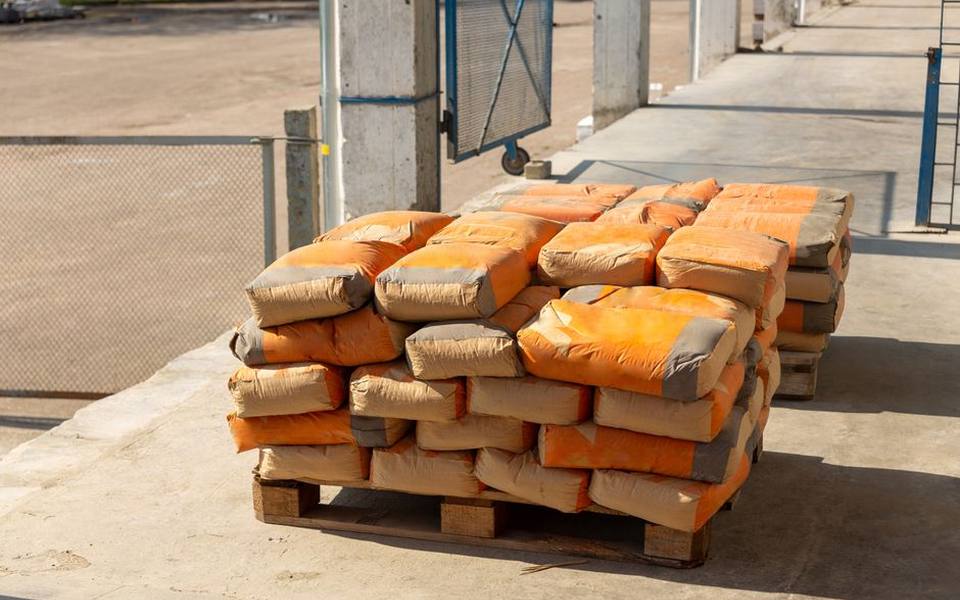
Once individual sourcing becomes too physically demanding, established sellers often move to purchasing returned or overstock merchandise in bulk. Liquidation pallets are large, shrink-wrapped stacks of mixed goods sold directly from retailers to clear out warehouse space. This method dramatically increases inventory volume but requires an entirely different set of logistical skills to process large batches in your own workspace.
Buying bulk pallets requires thorough preliminary research. You typically bid on them through online portals or negotiate rates from warehouse liquidators. Manifested pallets come with a detailed inventory list, making profit estimation easier. Unmanifested pallets are essentially a blind gamble, carrying a higher risk of containing unsellable junk. Most liquidators sell these strictly as-is, with no returns accepted regardless of condition.
Before ordering heavy pallets, consider your residential storage capacity. If you quickly become overwhelmed by excess inventory, finding locations that handle donation drop-off is a practical way to ethically dispose of items not worth listing online. Having an exit strategy ensures your garage does not become permanently cluttered with the inevitable bottom tier of unsalable consumer goods.
Geography plays a significant role in freight costs when dealing with heavy liquidation. Resellers located in massive logistical hubs like California often have local access to multiple warehouses, allowing them to pick up pallets with a truck and avoid crippling shipping fees. Buyers in rural areas must carefully calculate whether added freight delivery wipes out potential profit margins on heavy pallets.
Choosing the Right Venues for Your Goals
Balancing time and desired profit margins ultimately determines where you should focus your sourcing energy. Standard retail secondhand shops provide a steady environment with clear operating hours and manageable inventory turnover. They are ideal for individuals who prefer a structured routine and appreciate shopping indoors. The controlled environment allows buyers to carefully inspect items for flaws under bright lighting before purchasing.
Conversely, outdoor vendor meets demand early weekend mornings and strong interpersonal negotiation skills. The volume of available goods is massive, but it takes physical effort to uncover hidden gems among garage sale clutter. These environments favor buyers who enjoy the thrill of the hunt and are comfortable walking away if a seller refuses to lower their initial asking price.
With 11315 listings in top states across our directory, identifying the right mix of venues is easier than ever. You might navigate an outdoor market on Saturday, then spend the afternoon browsing shops across Texas to fill any gaps in your inventory. Diversifying your sourcing locations ensures a steady stream of unique goods, buffering against dry spells at any single store.
Published 2026-09-20 · reviewed with each rebuild, last September 2026.
Find thrift stores near you
The directory lists 20,630 thrift stores by state and city — pick your state or use the “Near me” button in the header.
More guides
-
 Buying
Wedding Attire Resale and Pricing Guide
-
 Buying
The Complete Guide to Sourcing and Reselling Pre-Owned Bridal and Formal Dresses
-
 Buying
Finding and Styling Vintage Holiday Sweaters and Retro Costumes
-
 Money
MoneyTurning Your Closet Cleanout Into Extra Funds
-
 Money
MoneyHow to Value and Sell Vintage Baseball Cards
-
 Buying
Sourcing Budget-Friendly Apparel and Vintage Wardrobe Staples
-
 Owning
How to Donate and Recycle Used Furniture, Clothes, and Textiles
-
 Money
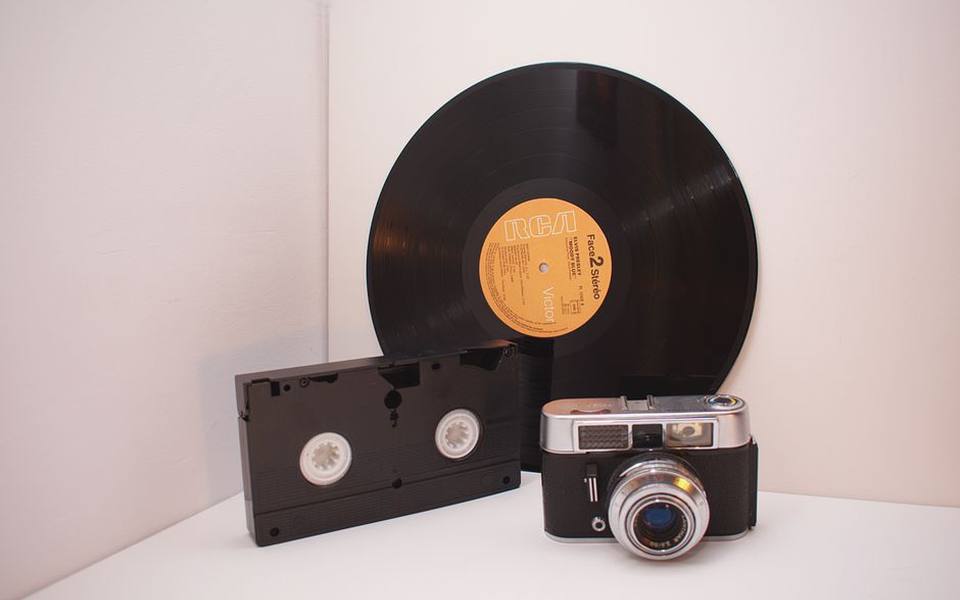
MoneyValuing and Selling Used Vinyl Records and VHS Tapes
-
 Buying
Finding and Valuing Used Books, Comics, and Collectible Media
-
 Money
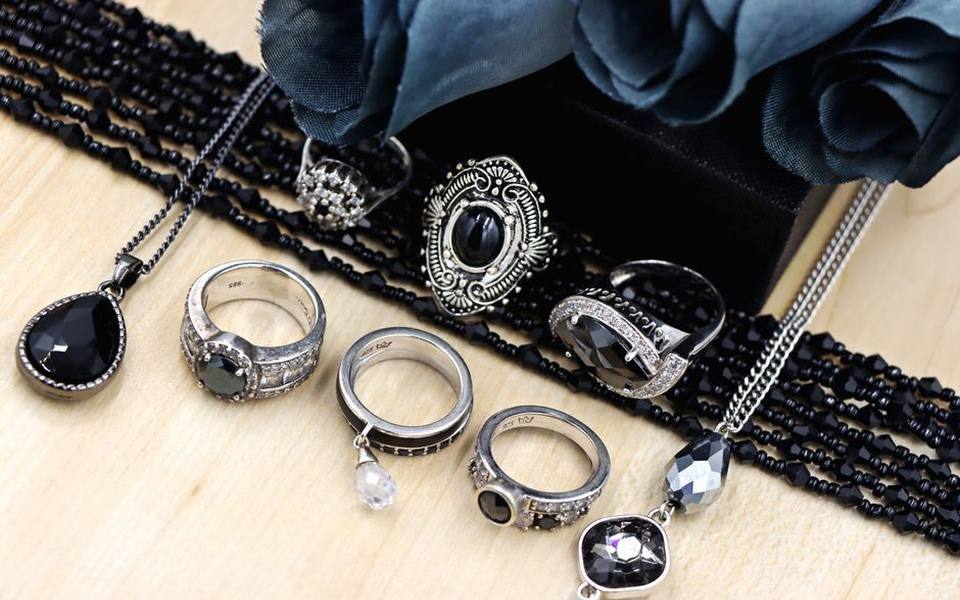
MoneyEvaluating Vintage Costume Jewelry and Silverware
-
 Buying
Ultimate Guide to Flea Markets and Swap Meets Across the US
-
 Buying
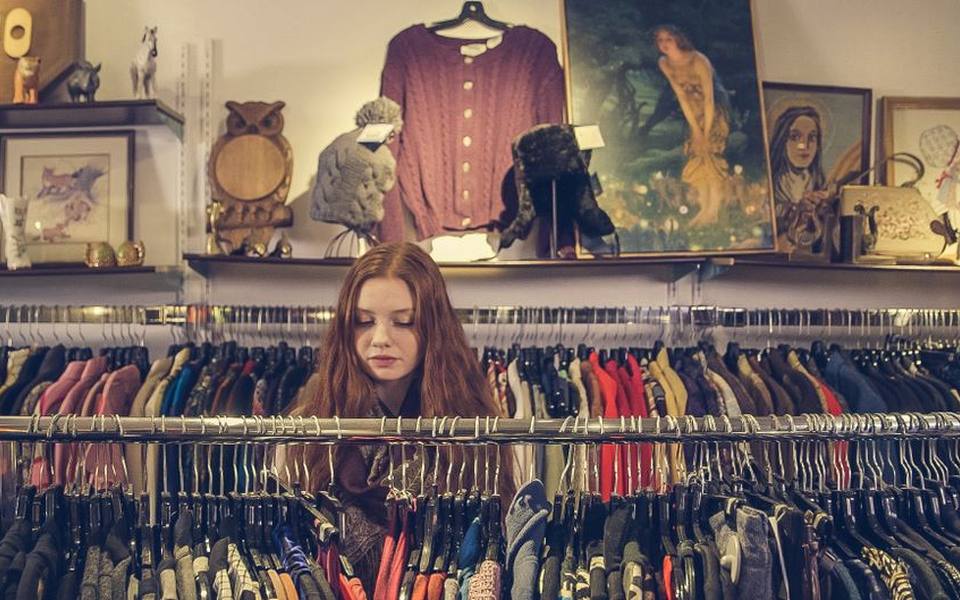
Major Charity Thrift Stores: Salvation Army, Goodwill, and St. Vincent de Paul Guide
-
 Buying
Mid-Century Modern Furniture and Antique Malls: Buying and Identification Guide
-
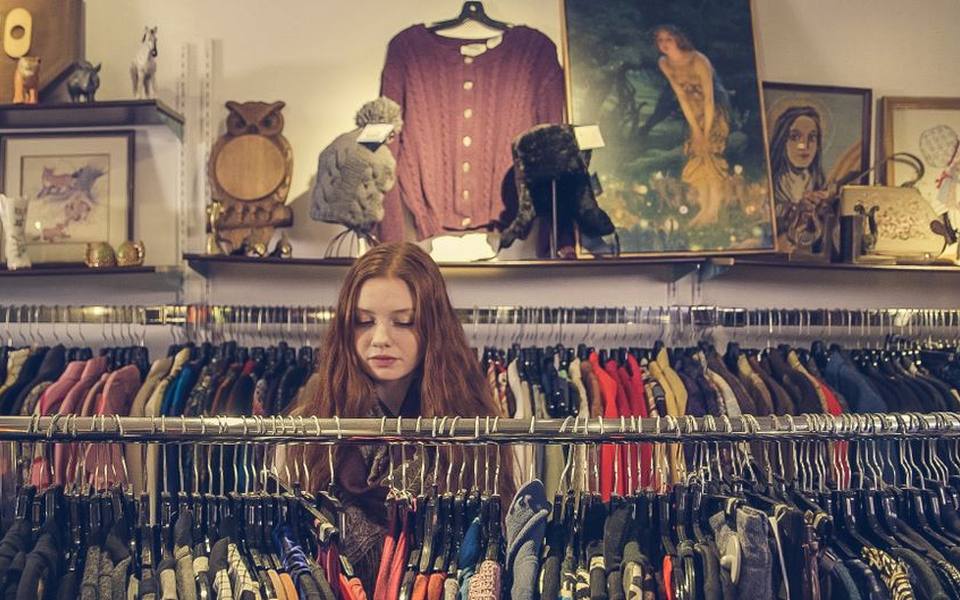 Buying
Smart Budget Fashion: Navigating Sales, Resale Outlets, and Cheap Clothing Stores
-
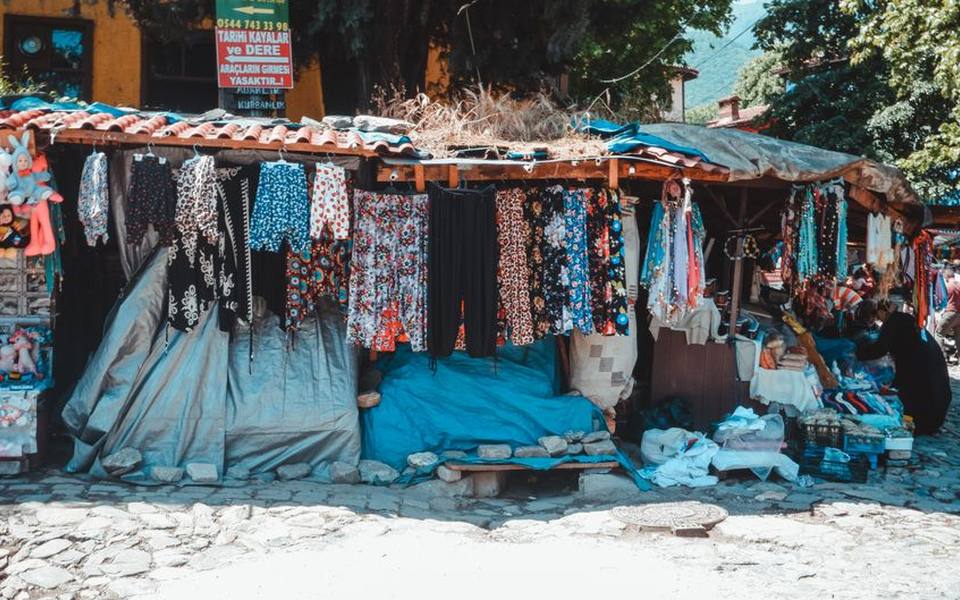 Buying
Ultimate Flea Market and Swap Meet Guide: Regional Hubs, Picking Secrets, and Fair Bargaining
-
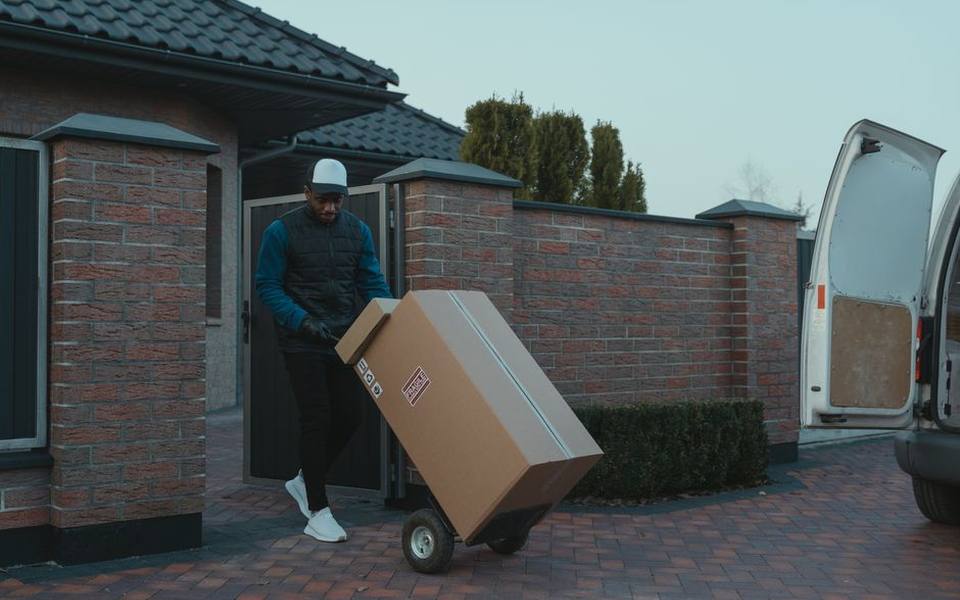 Service
Charity Furniture Pick-Up & Donation Guide: Goodwill, Salvation Army & Local Drop-Offs
-
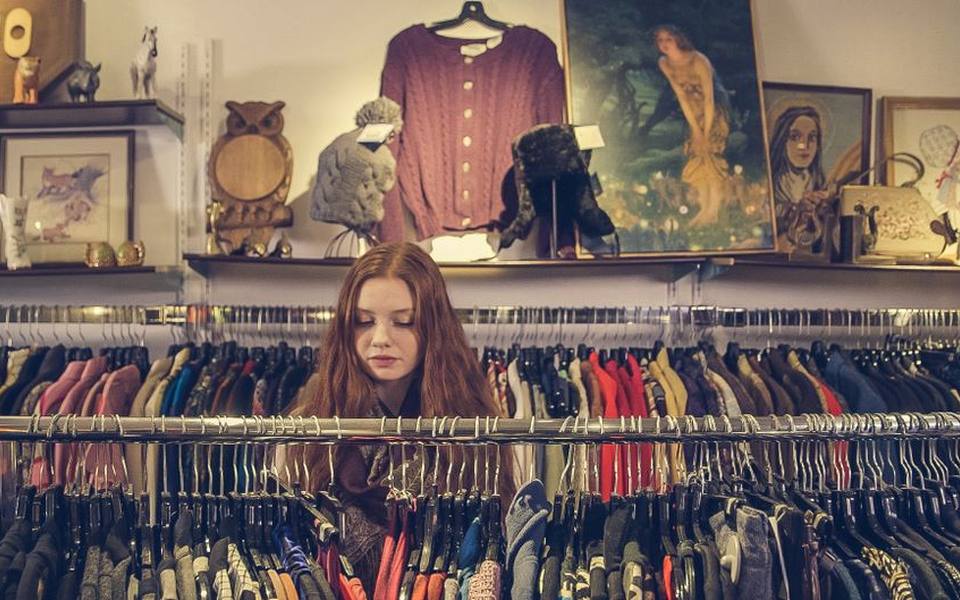 Buying
Thrifting Vintage Party Outfits: 1920s Flapper, 70s Disco, and 80s Ensembles
-
 Buying
Antique Mall Treasure Hunting: Valuing Vintage Pyrex, Gold Mirrors, and Collectibles