Understanding what to expect when buying secondhand
Buying a pre-owned wedding dress is a practical way to manage wedding expenses without compromising on style. Usually, a bride can expect to spend a fraction of the original retail tag, though the final amount depends heavily on the designer and condition. Many brides find that typical costs for secondhand gowns hover around half of their original value, making high-end fabrics accessible for standard budgets.
Bridesmaid outfits follow a similar depreciation curve in the secondary market. The usual cost for these garments drops significantly once they have been worn, allowing entire bridal parties to coordinate beautifully on a tighter financial plan. When sourcing these dresses, it is highly helpful to look for styles requiring minimal tailoring, as extensive professional alterations easily offset initial savings.
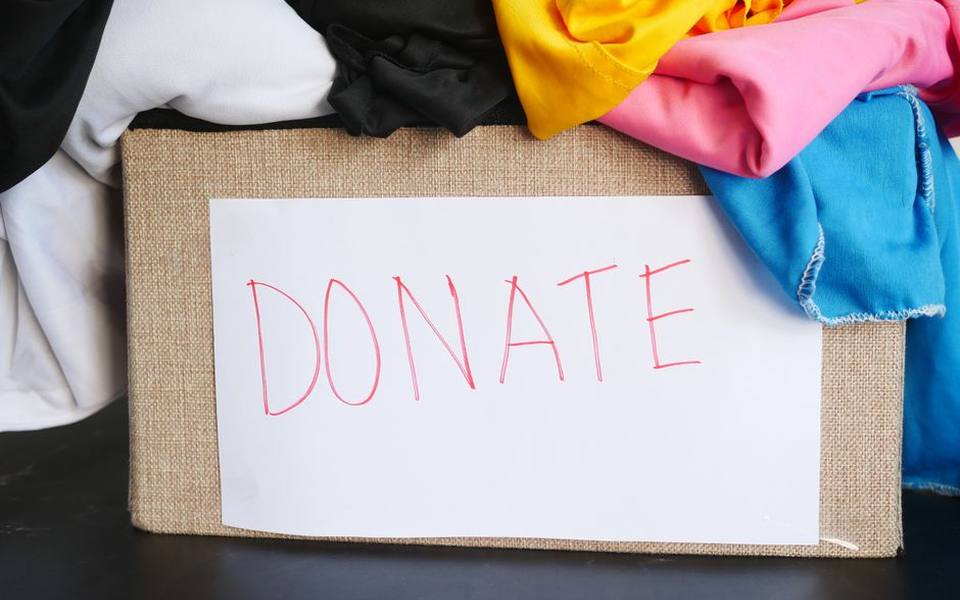
Beyond individual sellers, many charitable organizations and local shops carry formal wear. Some brides choose to visit locations featuring a donation drop-off, as these venues often receive gently used formal attire after the busy event seasons. Exploring these community spaces yields unpredictable but often rewarding discoveries for budget-conscious couples seeking quality pieces without traditional retail markups.
Tracking down classic and retro styles
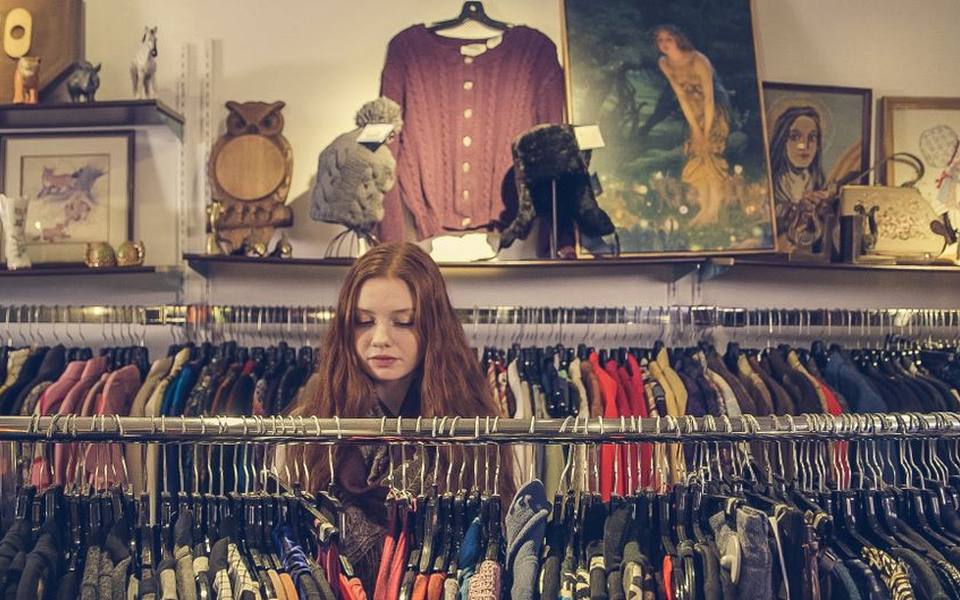
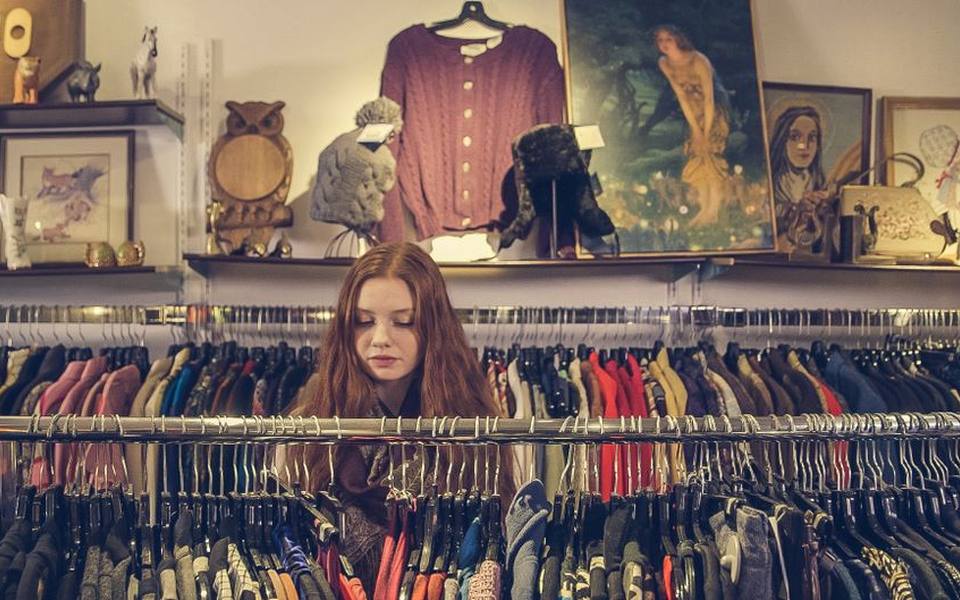
Couples looking for older, timeless silhouettes often wonder where to look for authentic retro garments. Standard bridal boutiques rarely stock genuine older pieces, so the search typically shifts to specialized vintage clothing dealers, consignment shops, or estate sales. Local directories are excellent tools for tracking down these unique items, especially in heavily populated areas with established secondary markets.
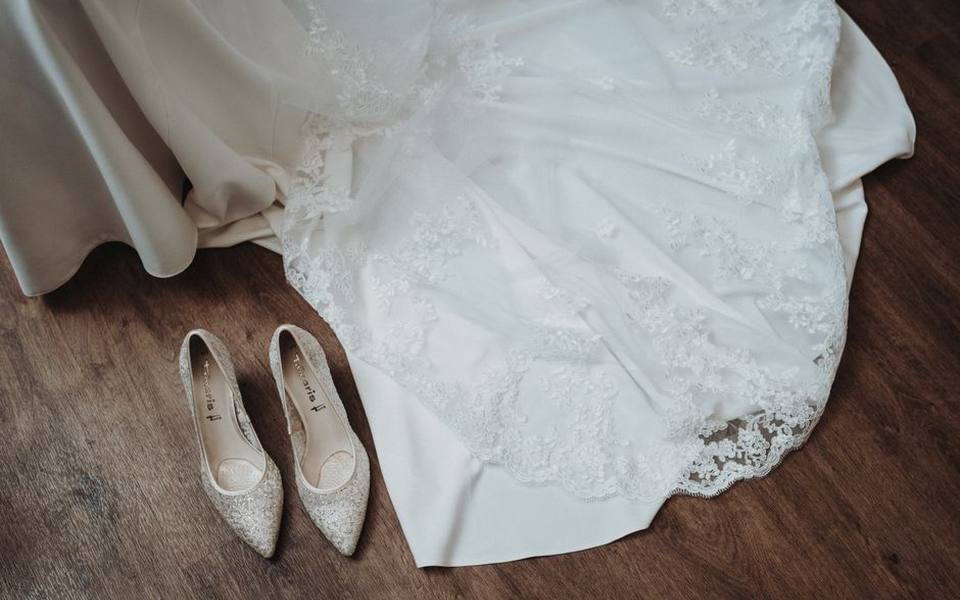
Exploring a dense retail landscape offers the highest chance of finding something truly special. For instance, browsing through thrift stores in New York provides access to a massive market of rotating inventory where mid-century gowns frequently surface. Searching in major urban centers generally yields a significantly wider variety of eras and fabrics compared to smaller towns.
Broad searches in niche markets can uncover hidden gems. Shoppers often have excellent luck browsing the secondhand items available at specialized craft and vintage boutiques, which curate their collections more carefully than general merchandise stores. Patience is essential here, as finding a gown from a specific decade in perfectly wearable condition usually requires multiple visits over several weeks.
Getting a gown ready for a new owner
Transitioning a dress from a cherished memory to a marketable item begins with professional cleaning. Even if a gown looks pristine immediately after the reception, invisible stains from spilled drinks can yellow delicate fabrics over time. Taking the garment to a cleaner who specializes in complex formal wear is typically the first step before attempting to find a new buyer.
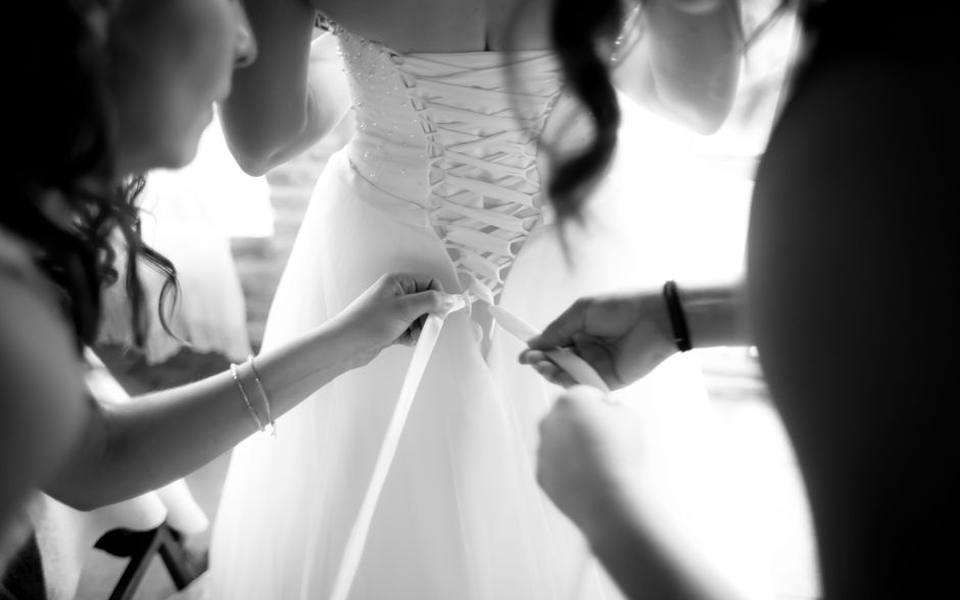
Documenting the dress thoroughly is critical for a successful transaction. Potential buyers need to see the gown in natural light to accurately gauge the true color and texture of the material. Capturing close-up shots of lace patterns and any minor flaws helps manage expectations and builds trust. Clear measurements should also be noted, as formal wear sizing rarely aligns with street clothing.
It is wise to gather all original paperwork, including purchase receipts and designer tags if they remain available. Having documented proof of the original purchase price gives buyers confidence and helps justify the asking rate. Any details regarding specific alterations made for the wedding day should be clearly stated so the next bride understands what modifications are possible.
Finding the right venue to sell your dress
Deciding where to list a formal gown depends on the desired timeline and the level of effort a seller can invest. Local consignment boutiques handle marketing and transactions, but they generally take a substantial percentage of the final sale. This route is convenient for those who prefer to simply drop off the item, though the overall financial payout is noticeably lower.
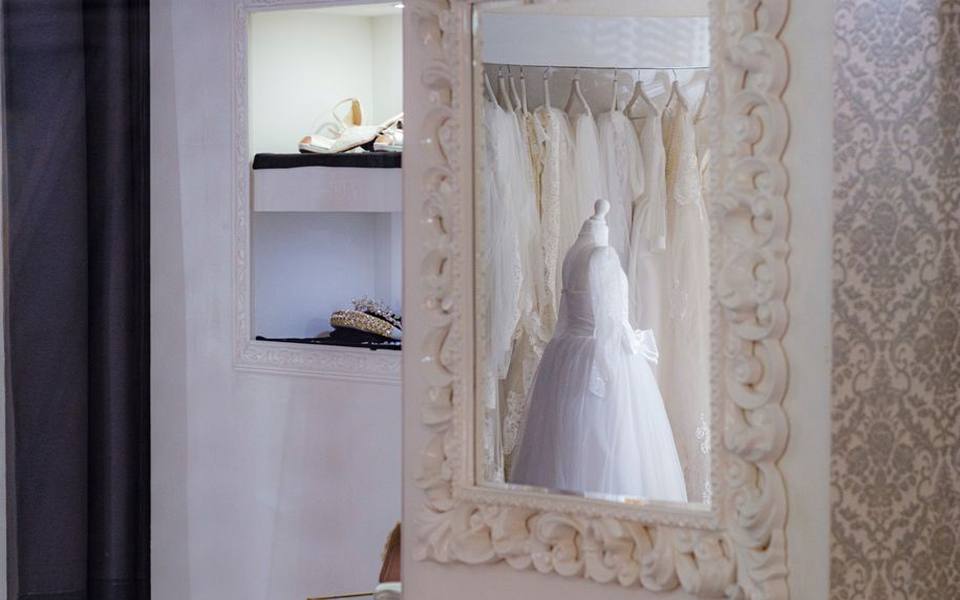
Selling directly to another bride often yields a much better financial return. Various online marketplaces cater specifically to formal wear, connecting motivated sellers with a massive audience. While this direct approach requires managing initial inquiries, negotiating terms, and handling the shipping process, it typically allows the seller to retain a much larger portion of the final negotiated sale price.
For those managing estate cleanouts or relocating, dropping items locally might be the most practical choice. In regions with dense populations, like thrift stores in California, many community-based shops accept formal wear on consignment or as a direct purchase if the style remains current. It is advisable to call ahead and verify their current inventory needs before making the trip.
Setting a realistic asking price
Pricing a used gown requires an objective look at its current market value rather than its deep sentimental worth. Generally, a dress in excellent condition from a relatively recent collection might fetch roughly half of what it originally cost. However, if the specific design is older or heavily altered to fit a specific body type, the expected financial return drops noticeably.
Researching similar successful listings provides a solid baseline for setting your pricing. Sellers should look strictly for completed sales of the same designer and silhouette to see what actual buyers pay, rather than looking at optimistic asking rates. If a dress receives no interest after a few months, gradually reducing the rate is standard practice in the secondary apparel market.
Factoring in the underlying cost of cleaning and shipping is necessary when determining your true bottom line. Buyers fully expect a pristine garment upon arrival, so sellers must decide whether to absorb the cleaning fees or reflect them in the tag. Maintaining transparency about shipping costs upfront prevents tedious negotiations from breaking down at the very last minute.
Published 2026-09-20 · reviewed with each rebuild, last September 2026.
Find thrift stores near you
The directory lists 20,630 thrift stores by state and city — pick your state or use the “Near me” button in the header.
More guides
-
 Buying
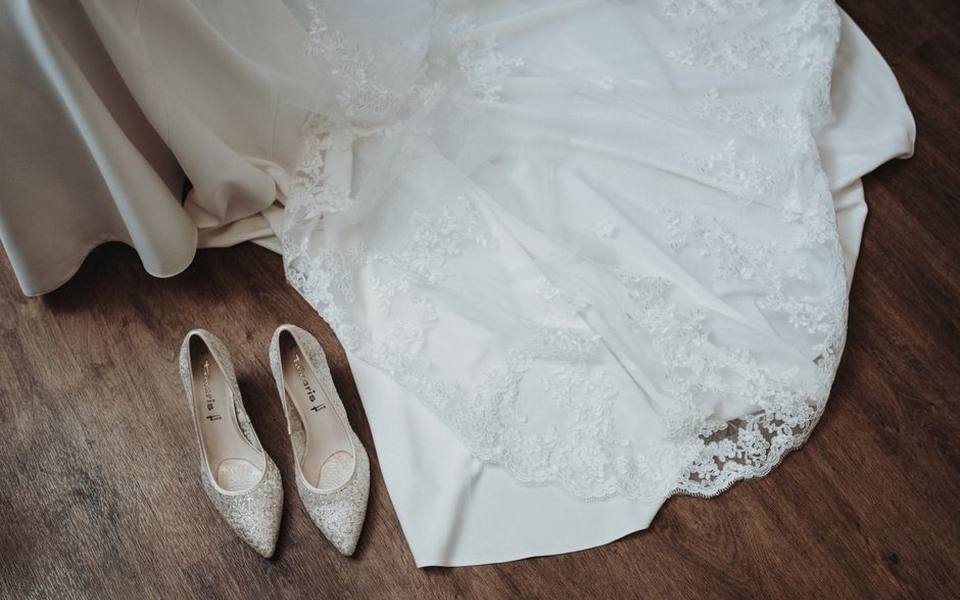
The Complete Guide to Sourcing and Reselling Pre-Owned Bridal and Formal Dresses
-
 Buying
Finding and Styling Vintage Holiday Sweaters and Retro Costumes
-
 Money
MoneyTurning Your Closet Cleanout Into Extra Funds
-
 Money
MoneyHow to Value and Sell Vintage Baseball Cards
-
 Buying
Sourcing Budget-Friendly Apparel and Vintage Wardrobe Staples
-
 Owning
How to Donate and Recycle Used Furniture, Clothes, and Textiles
-
 Money
MoneyValuing and Selling Used Vinyl Records and VHS Tapes
-
 Buying
Finding and Valuing Used Books, Comics, and Collectible Media
-
 Buying
Thrift Stores vs Flea Markets: A Guide to Secondhand Shopping and Resale Sourcing
-
 Money
MoneyEvaluating Vintage Costume Jewelry and Silverware
-
 Buying
Ultimate Guide to Flea Markets and Swap Meets Across the US
-
 Buying
Major Charity Thrift Stores: Salvation Army, Goodwill, and St. Vincent de Paul Guide
-
 Buying
Mid-Century Modern Furniture and Antique Malls: Buying and Identification Guide
-
 Buying
Smart Budget Fashion: Navigating Sales, Resale Outlets, and Cheap Clothing Stores
-
 Buying
Ultimate Flea Market and Swap Meet Guide: Regional Hubs, Picking Secrets, and Fair Bargaining
-
 Service
Charity Furniture Pick-Up & Donation Guide: Goodwill, Salvation Army & Local Drop-Offs
-
 Buying
Thrifting Vintage Party Outfits: 1920s Flapper, 70s Disco, and 80s Ensembles
-
 Buying
Antique Mall Treasure Hunting: Valuing Vintage Pyrex, Gold Mirrors, and Collectibles