Finding a new home for your household items
When you are ready to part with household goods, the best approach is to drop them off at a local registered nonprofit or a community thrift center. Most gently used items, from kitchenware to living room seating, are welcomed by organizations that resell them to fund community programs. Before loading up your vehicle, it helps to verify if the location actually has the floor space to accept what you are bringing.
Furniture requires a bit more planning than smaller boxed items. Dressers, dining tables, and bookshelves need to be in structural working order, meaning no missing legs or severe water damage. You can often find a dedicated area for these items at larger charitable shops that cater specifically to people furnishing their homes on a budget. Locations that have dedicated retail space for larger goods are usually much more willing to take bulky donations off your hands.
Regional availability also plays a significant role in where you can drop things off. Densely populated areas might have strict rules about sidewalk drop-offs or unannounced deliveries due to limited storage capacity. For example, if you are looking for places to pass on couches or tables in busy metropolitan regions, checking a directory of shops operating across New York can save you a frustrating trip across town with a loaded truck.
Managing large furniture and difficult items
Not everyone has a truck large enough to transport a heavy sectional sofa or a solid wood wardrobe. Fortunately, many charitable organizations offer a service to come directly to your residence to collect these heavier pieces. Scheduling a route collection is typically free, though it depends on your distance from the distribution center and their current driver availability. Using charity centers that provide furniture retrieval services is a highly convenient way to clear out an estate or prepare for a major move without renting equipment.
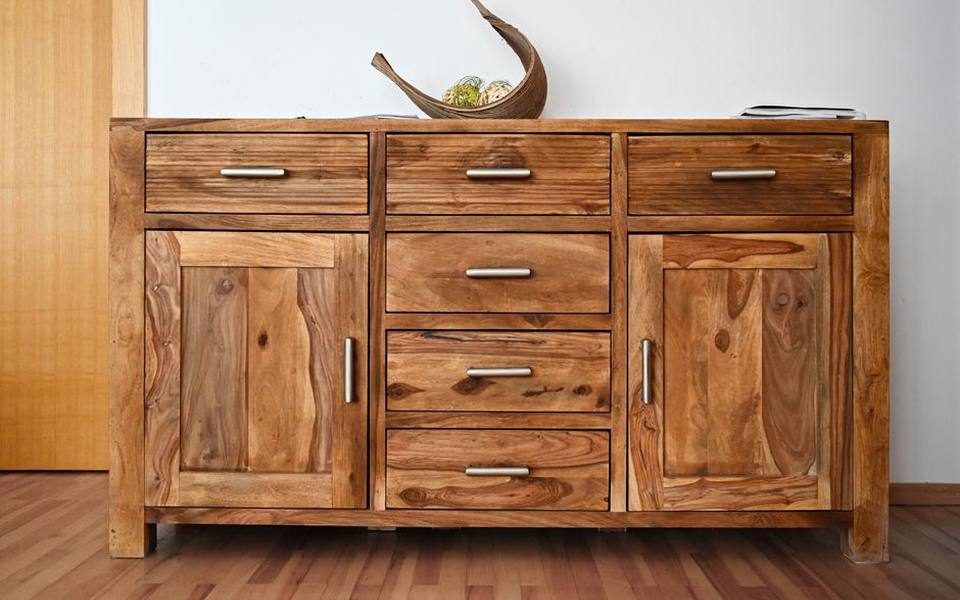
Mattresses are a particularly challenging category when it comes to second-hand distribution. Due to health regulations and sanitation concerns, most standard donation centers will politely decline any used mattress, regardless of its pristine condition. In most states, you need to look for specialized recycling facilities or specific shelters that have the industrial sanitization equipment required by local health codes to legally process and reuse sleeping items.
If a mattress or box spring cannot be donated, recycling is the next logical step. Mattress recycling programs break down the internal steel springs, foam padding, and wooden frames to be sold as raw materials. Some municipal waste management departments offer scheduled bulk trash days where they will handle the recycling process for you, though a small environmental fee might apply depending on your local city ordinances.
Keeping old clothes and textiles out of landfills
Passing on garments that no longer fit is straightforward, but dealing with stained, torn, or unwearable fabric requires a different strategy. Wearable apparel should be washed, folded, and placed in clean bags before being taken to centers equipped with standard donation processing areas. This ensures the volunteers can easily sort and price the garments for the sales floor without dealing with odors or pests.
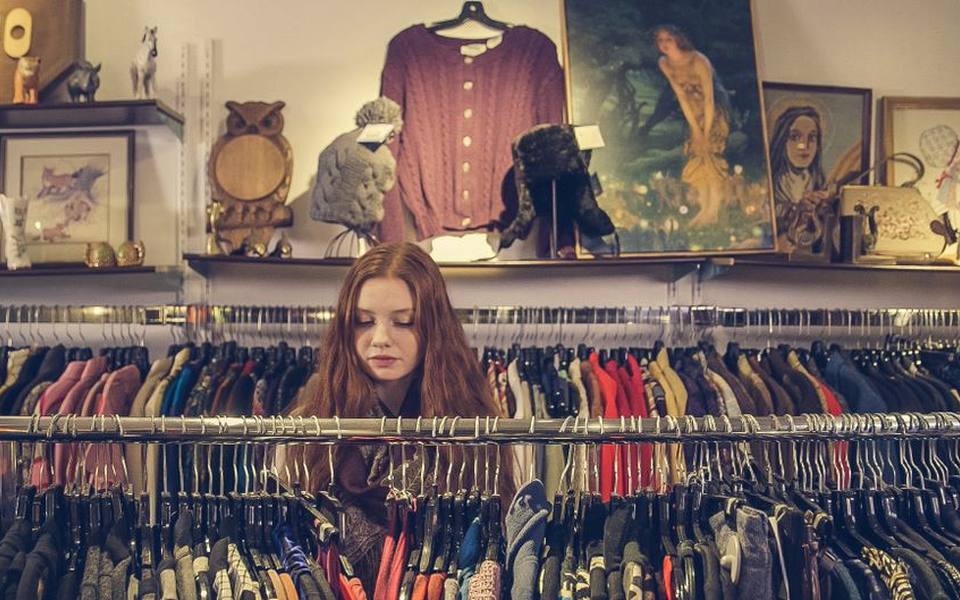
For textiles that have reached the end of their usable life, throwing them in the household trash contributes to massive landfill waste. Instead, look for clothing drop boxes or specific recycling programs that accept scrap fabric. These textile recyclers grade the material, turning absorbent cotton into industrial cleaning rags and shredding other fibers to be used as automotive insulation or carpet padding.
Finding dedicated textile recycling often means looking beyond the main retail storefronts. Some municipalities host textile drop-off bins at local libraries, fire stations, or community centers. When dropping off scrap material, it is still crucial that the items are washed and completely dry; moisture can cause mold that ruins an entire collection bin before the recycling truck arrives to empty it.
Rehoming craft supplies and unusual items
People frequently wonder what to do with leftover hobby materials, such as partially used skeins of yarn, fabric scraps, or scrapbooking paper. Standard clothing charities sometimes struggle to merchandise these loose items effectively, leading them to end up in the clearance bin or recycling pile. However, there are specialized creative reuse centers dedicated entirely to keeping art supplies in circulation.
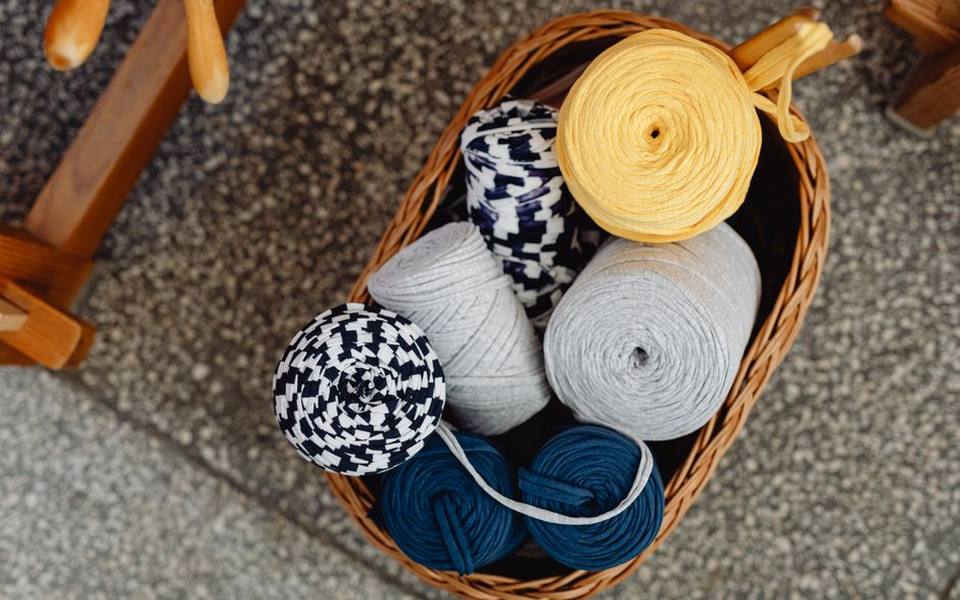
These niche organizations operate much like traditional thrift environments but focus strictly on teachers, artists, and crafters. By dropping off your excess paint, sewing notions, or knitting supplies at locations focused on secondhand creative materials, you ensure your items go directly to someone who will use them. It is an effective way to support local arts programs and keep perfectly good supplies from going to waste.
Preparing hobby donations involves a bit of organization to make them appealing. Tangle-free yarn, neatly rolled fabric remnants, and securely closed containers of beads or buttons are much easier for volunteers to evaluate and shelf. While it might take a few extra minutes to sort your craft bin before donating, it significantly increases the chances that your materials will be successfully resold and utilized by another maker.
Understanding charitable tax deductions
Giving away your unwanted goods can also provide a financial benefit during tax season, provided you donate to a qualified nonprofit organization. When you drop off your boxes, always ask the attendant for a receipt. This slip of paper is essential if you plan to itemize your deductions, though the organization will not assign a monetary value to the items for you. The responsibility of determining fair market value rests entirely on the taxpayer.
Calculating the value of used goods means estimating what a buyer would pay for that specific item in its current condition at a local charity shop. There are various software tools and valuation guides available online to help you assign reasonable figures to men's shirts, hardcover books, or coffee tables. Maintaining a detailed inventory list with photographs of higher-value items is a wise practice if you are claiming a substantial total amount.
The rules governing charitable contributions dictate that items must be in good or better condition to qualify for a deduction. Tax agencies can disallow claims for heavily damaged or unusable property. Before making a large end-of-year contribution, it is beneficial to explore facilities operating across various regions to ensure you are handing over your goods to an officially registered charitable entity, which is the legal requirement for claiming the benefit.
Published 2026-09-20 · reviewed with each rebuild, last September 2026.
Find thrift stores near you
The directory lists 20,630 thrift stores by state and city — pick your state or use the “Near me” button in the header.
More guides
-
 Buying
Wedding Attire Resale and Pricing Guide
-
 Buying
The Complete Guide to Sourcing and Reselling Pre-Owned Bridal and Formal Dresses
-
 Buying
Finding and Styling Vintage Holiday Sweaters and Retro Costumes
-
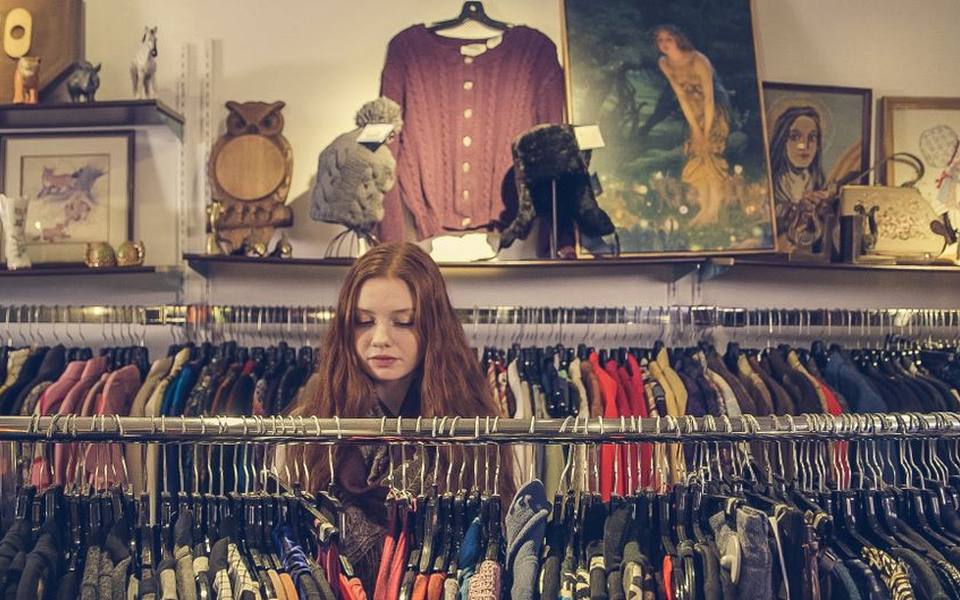 Money
MoneyTurning Your Closet Cleanout Into Extra Funds
-
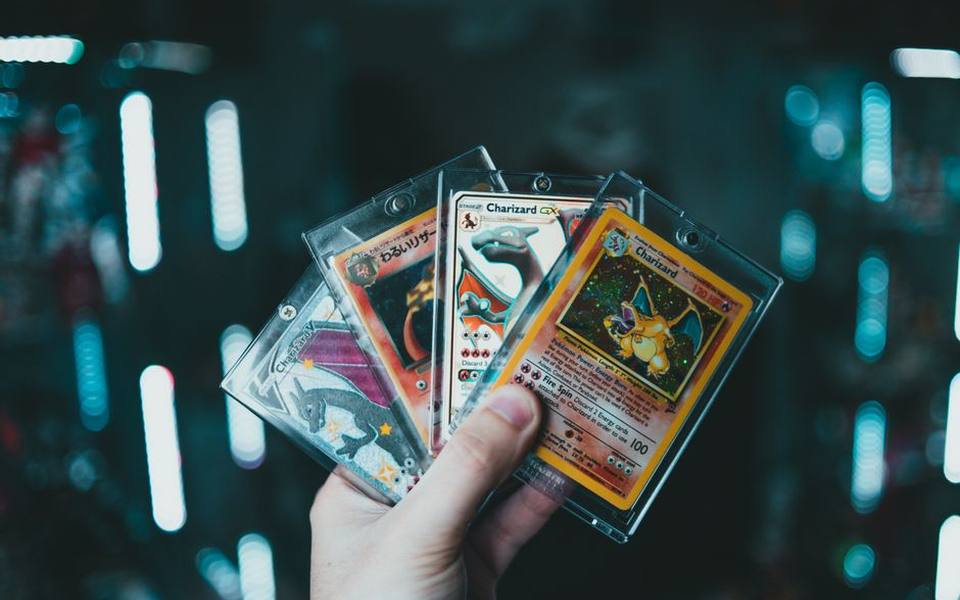 Money
MoneyHow to Value and Sell Vintage Baseball Cards
-
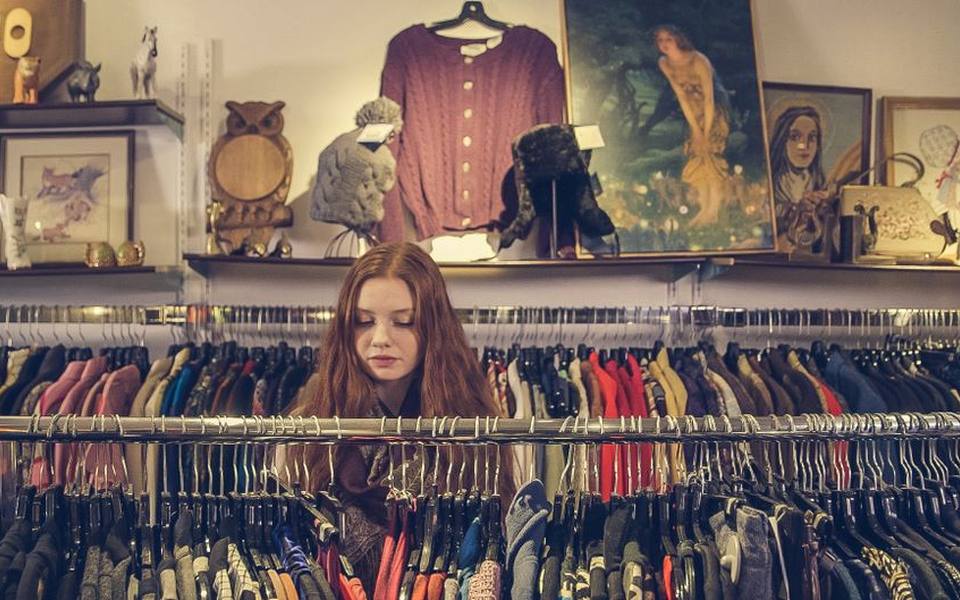 Buying
Sourcing Budget-Friendly Apparel and Vintage Wardrobe Staples
-
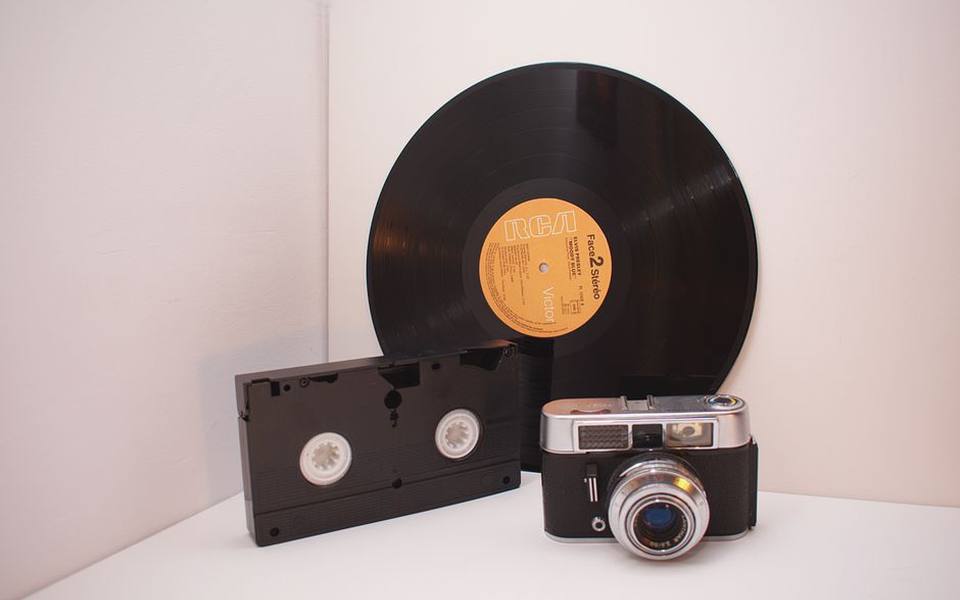 Money
MoneyValuing and Selling Used Vinyl Records and VHS Tapes
-
 Buying
Finding and Valuing Used Books, Comics, and Collectible Media
-
 Buying
Thrift Stores vs Flea Markets: A Guide to Secondhand Shopping and Resale Sourcing
-
 Money
MoneyEvaluating Vintage Costume Jewelry and Silverware
-
 Buying
Ultimate Guide to Flea Markets and Swap Meets Across the US
-
 Buying
Major Charity Thrift Stores: Salvation Army, Goodwill, and St. Vincent de Paul Guide
-
 Buying
Mid-Century Modern Furniture and Antique Malls: Buying and Identification Guide
-
 Buying
Smart Budget Fashion: Navigating Sales, Resale Outlets, and Cheap Clothing Stores
-
 Buying
Ultimate Flea Market and Swap Meet Guide: Regional Hubs, Picking Secrets, and Fair Bargaining
-
 Service
Charity Furniture Pick-Up & Donation Guide: Goodwill, Salvation Army & Local Drop-Offs
-
 Buying
Thrifting Vintage Party Outfits: 1920s Flapper, 70s Disco, and 80s Ensembles
-
 Buying
Antique Mall Treasure Hunting: Valuing Vintage Pyrex, Gold Mirrors, and Collectibles